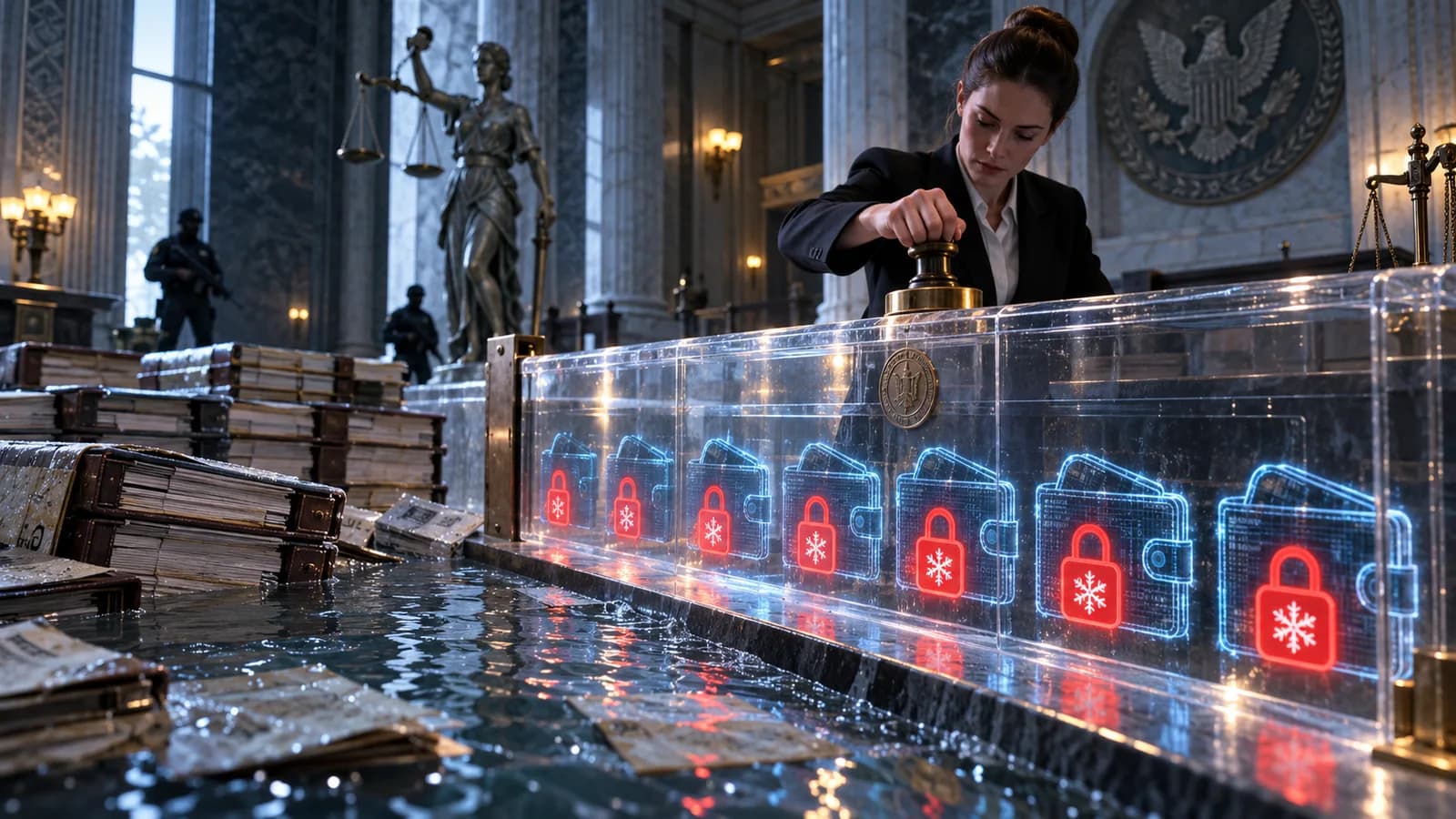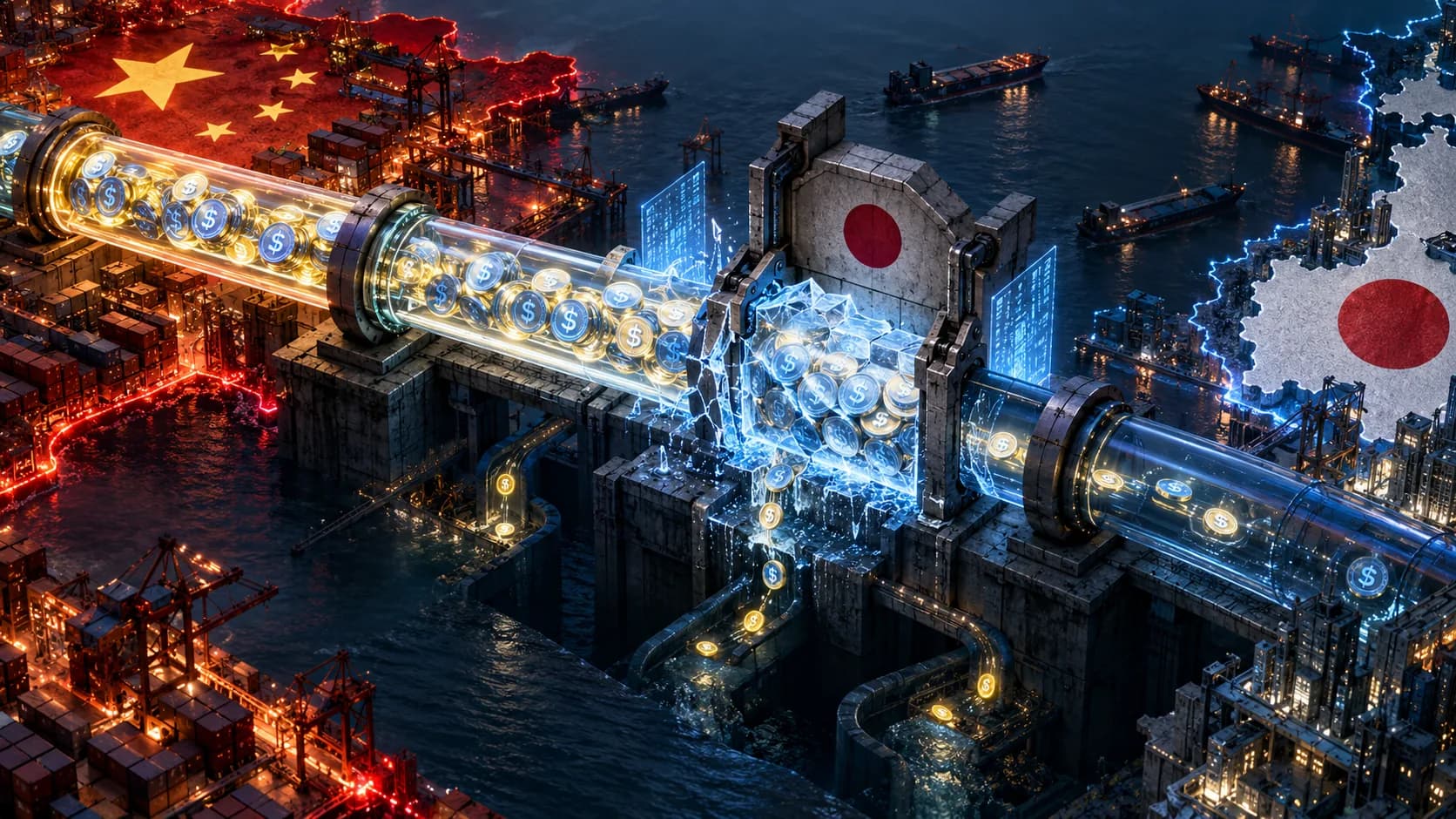
Japan has added the cryptocurrency exchange Garantex to its asset freeze list as part of a new package of sanctions on Russia, according to a report from WuBlockchain citing the October announcement. The move puts Tokyo alongside Washington and Brussels in treating a crypto venue, rather than a bank or an individual, as sanctionable financial infrastructure.
The headline detail is simple. A G7 government has named a crypto exchange directly in a sovereign sanctions action tied to Russia. That is the part worth sitting with, because it signals where enforcement is heading for anyone who touches cross-border crypto flows.
A crypto venue treated as sanctionable infrastructure
Sanctions lists have historically concentrated on named individuals, state-owned banks, defense firms, and shipping entities. Adding an exchange to an asset freeze list is a different kind of target. It says the authorities see the venue itself as a conduit, not just the people using it.
For Garantex specifically, a Japanese freeze means any assets within Japanese jurisdiction connected to the exchange are locked, and Japanese persons and firms are generally prohibited from transacting with it. The practical reach of that depends on how much exposure the exchange has to Japanese counterparties, which is likely limited. The signal, though, travels further than the direct financial impact. It tells banks, payment processors, and other exchanges that doing business with the named entity now carries sanctions risk across a third major economy.
Coordinated pressure across jurisdictions
The weight here comes from alignment. When the US, the EU, and now Japan point at the same entity, the compliance math changes for every intermediary in between. A platform that still wants correspondent banking, card network access, or liquidity partners cannot easily keep a sanctioned counterparty on its books without inheriting the risk.
This is the quiet mechanism of multilateral sanctions. The direct freeze may only capture a slice of assets, but the reputational and operational contagion pushes legitimate service providers to cut ties preemptively. Coverage from WuBlockchain frames the Garantex listing as one line item in a broader Russia package, which fits the pattern of layered, repeated designations rather than a single decisive blow.
Stablecoins sit at the center of the enforcement fight
Crypto sanctions enforcement increasingly runs through dollar-denominated stablecoins such as USDC and USDT, since they are the default settlement asset for cross-border crypto value. Issuers can freeze tokens at the contract level when an address is flagged, which gives sanctions authorities a lever that does not exist with physical cash or self-hosted assets. That capability is exactly why asset freezes and crypto enforcement have converged.
The flip side is that enforcement pressure tends to push targeted flows toward venues and tools that are harder to touch, including peer-to-peer channels and non-custodial wallets where users hold their own keys. None of that makes sanctioned activity legal, and it does not make it invisible, but it does explain why designations rarely end a story cleanly. A frozen front door often reappears as a side channel somewhere else.
The second-order impact on ordinary crypto users
Most people reading this are not transacting with sanctioned exchanges. The relevance is second-order. Every coordinated designation hardens the compliance posture of the mainstream platforms that everyday users do rely on, from exchanges to card issuers. Expect tighter screening, more conservative onboarding, and faster freezes on flagged addresses across the board.
That has real friction for legitimate users in or near affected regions. Spending crypto through a card still depends on an issuer, a network, and a fiat off-ramp, and each of those layers runs sanctions screening. Users connected to Russia and other heavily sanctioned markets have seen access to mainstream crypto card products narrow sharply, with availability often limited to diaspora use rather than domestic issuance. The Garantex listing does not change that directly, but it reinforces the direction of travel: the venues and rails that move value are now squarely inside the enforcement perimeter.
Overview
Japan added crypto exchange Garantex to its Russia asset freeze list in an October sanctions package, per WuBlockchain, aligning Tokyo with existing US and EU action against the same platform. The direct financial bite of a Japanese freeze is probably modest given limited exposure, but the signal is not. Three major economies now treat a crypto exchange as sanctionable infrastructure, which raises counterparty risk for any intermediary still connected to the entity and tightens compliance for the mainstream platforms ordinary users touch. The enforcement frontier has moved from naming people to naming the rails.