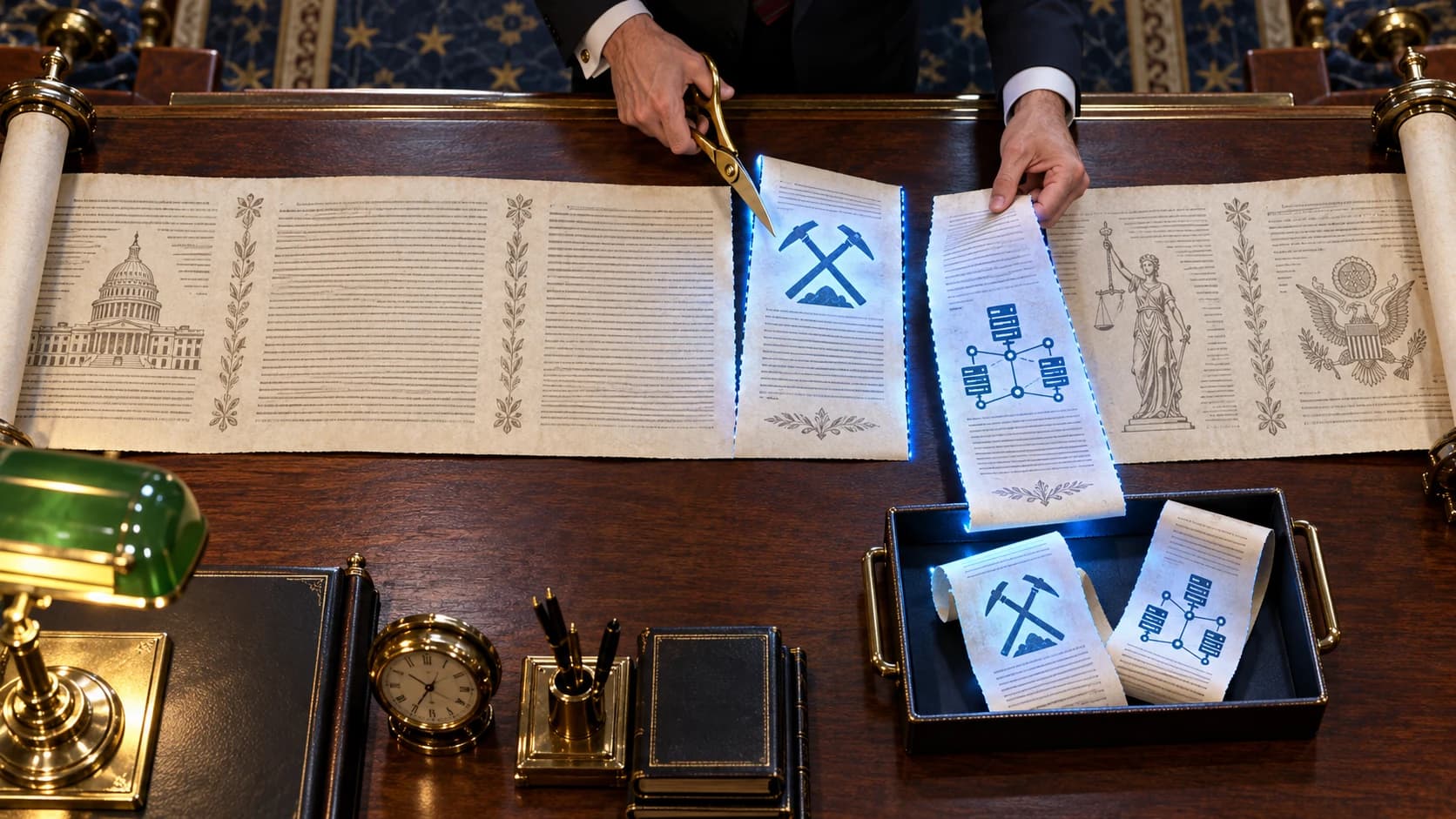
A petition asking South Korea to postpone its tax on crypto trading gains has passed 50,000 signatures, according to a September 14 post from Cointelegraph. Crossing that number matters for a procedural reason: petitions filed through the National Assembly's public system that reach 50,000 signatures within the allowed window move out of the "ignore it" pile and into a committee that has to look at them.
That is the whole story in one line. The people asking for a delay have gathered enough names to make the government respond on the record rather than let the deadline arrive quietly.
The signature count is the mechanism, not a poll
Fifty thousand is not a popularity score. It is the trigger built into South Korea's national petition process. Below it, a petition is public sentiment that lawmakers can note or skip. At or above it, the petition is referred to the relevant standing committee for review, which means someone in the legislature has to read it, discuss it, and put a position on paper.
For crypto holders in South Korea, that shift from optional to mandatory is the point. A tax deadline that was heading toward the calendar with no debate now has a formal channel forcing debate. The outcome is still open. The obligation to address it is not.
A looming deadline gives holders a direct reason to organize
Taxing investment gains is never popular with the people who hold the assets, and crypto is a retail-heavy market in South Korea. When a tax on gains has a start date attached, the incentive to organize before that date is direct: a postponement is worth real money to anyone sitting on unrealized profit.
Petitions like this tend to spike near a deadline because the cost of doing nothing becomes concrete. The 50,000 figure was reached, which tells you the campaign had enough motivated signers to clear a bar that most petitions never reach. Plenty of petitions in any national system die well short of the threshold. This one did not.
I would treat the signature milestone as a signal of organized pressure, not as evidence the delay will happen. Committee review is a hearing, not a guaranteed vote to postpone. Lawmakers can review a petition and still let the tax proceed. The value here is that the question gets asked out loud.
The pattern is familiar across jurisdictions
Governments keep discovering that taxing crypto gains is easier to announce than to implement. The gap between announcement and enforcement is where the fights happen, and South Korea is now in that gap with a formal petition on the table.
The friction is usually practical. Tracking cost basis across exchanges, wallets, and self-custody is hard for tax authorities and harder for individual filers. Rules written for stocks do not map cleanly onto assets that move between wallets without a broker in the middle. Every jurisdiction wrestling with this ends up in some version of the same argument: the policy is set, the machinery to enforce it fairly is not ready, and someone asks for more time.
Other markets are running their own versions of this debate right now. Thailand's regulator has floated a cap on stablecoin transfers through third-party wallets, and in the United States lawmakers have been fighting over whether to cut mining and staking tax relief from a crypto bill. The specifics differ. The underlying tension, writing workable rules for assets that do not behave like the ones the tax code was built for, is the same.
Practical read for holders
Nothing about a filer's tax position changes because of a petition. If a tax on gains is on the books, it stays on the books until the legislature acts. The petition creates a review, and the review creates a chance for a different outcome, but a chance is not a change.
For anyone holding crypto in South Korea, the sensible posture is to plan around the tax as written and watch the committee's response for a real signal. A postponement would be good news for holders. Assuming it in advance would be a bet, not a plan.
There is also a broader point for readers outside the country. A tax rule that survives on paper can still be reshaped by organized users before it bites, if they reach the procedural bar that forces a response. Fifty thousand names did that here. The next data point that matters is what the committee says, not how many more people sign.
Overview
South Korea's petition to delay its crypto gains tax has passed 50,000 signatures, the level that forces the National Assembly to refer it to committee for a formal review, per Cointelegraph on September 14, 2026. The number is a procedural trigger rather than a poll, and it obligates lawmakers to address the delay request on the record. It does not postpone the tax on its own. Holders should plan around the current rules and treat the committee's response, not the signature count, as the decision that matters.