The Largest Self-Custody Wallet Now Has a US Spending Card
MetaMask, the self-custody wallet that serves as the front door to Ethereum for tens of millions of users, officially launched its Mastercard-powered spending card across 49 US states on February 26, 2026. The card had been available in the UK, EEA, and parts of Latin America since 2024, but the US rollout marks its biggest market expansion to date.
New York, a state that has historically been among the most restrictive for crypto products due to its BitLicense regime, is included from day one. Vermont is the only state excluded.
The card is issued by Cross River Bank and operates on Mastercard rails through infrastructure partner Monavate (formerly Baanx). It is available at over 150 million Mastercard-accepting merchants worldwide, both in-store and online.
How Self-Custody Actually Works at Point of Sale
The core pitch is simple: your crypto stays in your MetaMask wallet until the exact moment you make a purchase. There is no exchange deposit, no pre-funded custodial balance, no intermediary holding your assets overnight.
When you tap or swipe, the card authorizes a fiat transaction through Mastercard while simultaneously triggering an on-chain settlement from your wallet. The supported assets include USDC, USDT, wETH, and MetaMask's own mUSD stablecoin, with transactions routing through Linea (Consensys's L2), Base, or Solana depending on the asset and region.
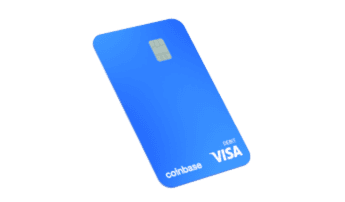
This is a fundamentally different architecture from most crypto cards on the market. The majority of cards from exchanges like Coinbase, Binance, or Bybit require users to deposit funds into a custodial exchange wallet before spending. MetaMask eliminates that step entirely.
The tradeoff: since the card draws from a live wallet balance, pre-authorization merchants (gas stations, hotels, car rentals) may place temporary holds that tie up funds longer than a traditional pre-loaded card would.
Two Tiers: Free Virtual and $199 Metal
MetaMask is launching with two card tiers in the US:
Standard Card (Free)
- Up to 1% cashback in mUSD on all purchases
- Virtual card with instant digital issuance
- Apple Pay and Google Pay support
- Mastercard ID Theft Protection and Zero Liability
- $10,000 monthly spending limit
Metal Card ($199/year)
- Up to 3% cashback in mUSD on the first $10,000 spent annually
- Physical metal construction
- Higher spending and ATM limits ($50,000 monthly, $1,000 daily ATM, $5,000 monthly ATM)
- 0% foreign transaction fee at Mastercard mid-market rate
- Travel discounts through Entravel
- Exclusive event access and perks
Both tiers require identity verification and compliance checks through Cross River Bank. The Metal card's 3% rate is competitive with the top of the market, though the $10,000 annual cap means the maximum cashback yield is $300 per year before dropping to the standard 1% rate.
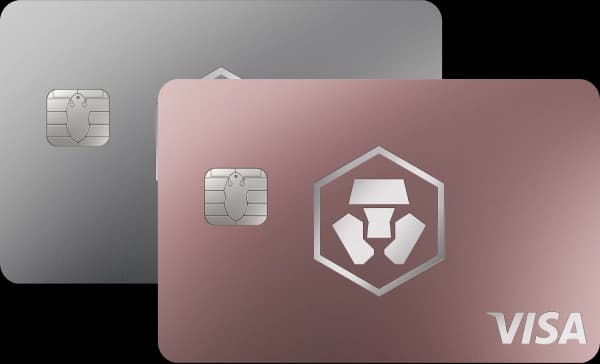
For context, the ether.fi Pinnacle Card offers 3% uncapped but requires a $5,000 annual fee. The Crypto.com Icy White offers 3% but requires $40,000 in CRO staking. MetaMask's $199 entry point is significantly lower, even with the cap.
mUSD: The Cashback Currency Nobody Asked For (But Might Actually Use)
All cashback is paid in mUSD, MetaMask's native stablecoin launched in late 2025 through a partnership with Stripe's Bridge subsidiary and the M0 protocol. mUSD is an ERC-20 token pegged 1:1 to USD with reserves managed by Bridge.
The strategic play is clear: by paying cashback in mUSD rather than USDC or raw crypto, MetaMask creates demand for its own stablecoin while keeping users inside the MetaMask ecosystem. Users can hold mUSD, swap it, or deploy it into DeFi. MetaMask specifically highlights that unspent balances, including cashback, can be deposited into Aave vaults (aUSDC, aBasUSDC) to earn yield while sitting idle.
This creates a flywheel: spend with the card, earn mUSD cashback, deposit cashback into Aave, earn yield on the yield. It is the kind of composability that custodial card programs cannot replicate because the rewards are locked inside a centralized platform.
The MASK Token Elephant in the Room
MetaMask's $30 million Season 1 rewards program, which distributed LINEA tokens based on on-chain activity, concluded recently. A native MASK token has been teased by Consensys CEO Joseph Lubin since mid-2025, with Polymarket traders and industry observers expecting a Q1-Q2 2026 launch.
The card launch timing is not coincidental. Every card transaction generates on-chain activity on Linea, Base, or Solana. If MASK token distribution is weighted by protocol usage, as most token launches are, early card adopters could be positioning themselves for an airdrop. MetaMask has not confirmed this, but the incentive alignment is hard to ignore.
The Metal card's $199 annual fee becomes a very different calculation if MASK token allocation rewards high-frequency card usage. For users who would spend $10,000 or more annually on the card anyway, the fee is a rounding error against even a modest airdrop.
Where MetaMask Fits in a Crowded US Market
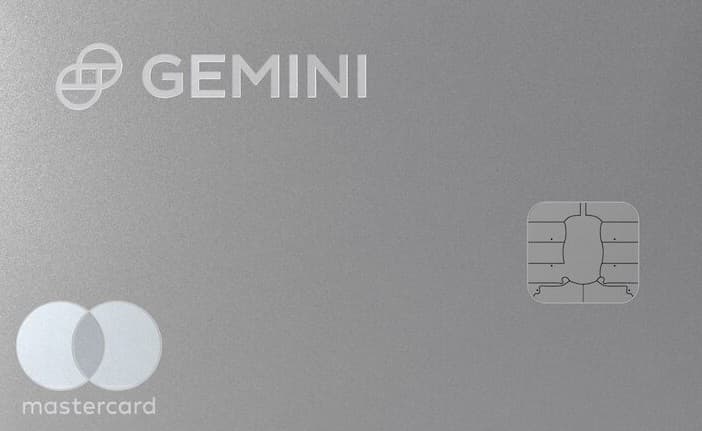
The US crypto card market has historically been dominated by custodial products. Coinbase offers up to 4% back on its debit card but requires exchange custody. Gemini runs a credit card (not debit) with up to 4% in crypto rewards through WebBank. Avici offers a secured credit card model through Rain.
MetaMask is the first self-custody card to achieve nationwide US availability at scale. The only comparable products, Gnosis Pay (EEA only) and Ready (EEA/UK only), do not serve the US market.
This matters for a specific type of user: someone who holds significant crypto balances, wants to spend them without surrendering custody, and is willing to accept the friction of on-chain settlement in exchange for the security of keeping funds in their own wallet. The FTX collapse in 2022, which froze billions in custodial user funds, made that tradeoff tangible for millions of people.
The card also extends MetaMask's existing availability in Argentina, Brazil, Canada, Colombia, Mexico, Switzerland, the UK, and the EEA, making it one of the most globally available self-custody spending options in the market.
What US Cardholders Should Watch
Three things to monitor in the coming weeks:
KYC friction. Self-custody purists will note the irony: the card requires full identity verification through Cross River Bank. This is not a no-KYC product. Users who want minimal verification options still need to look elsewhere.
Metal card waitlist. The Metal tier may have limited initial availability, similar to how MetaMask managed its UK/EU rollout with waitlist drops. The $199 fee is only worth paying if you can actually get the card.
mUSD liquidity. Cashback paid in a newer stablecoin is only as useful as that stablecoin's liquidity. mUSD is backed by Stripe's Bridge, which provides institutional credibility, but secondary market depth on DEXs and CEXs will determine how easily users can exit to USDC or fiat.
Overview
MetaMask launched its Mastercard-powered self-custody spending card across 49 US states on February 26, 2026, making it the first self-custody card to achieve nationwide availability in the world's largest crypto market. The free Standard tier offers 1% mUSD cashback, while the $199/year Metal tier provides 3% on the first $10,000 spent annually. All funds remain in the user's wallet until point of sale, with transactions settling on Linea, Base, or Solana. The card is issued by Cross River Bank, operates through Monavate (formerly Baanx), and accepts USDC, USDT, wETH, and mUSD across 150 million Mastercard merchants. With a potential MASK token launch on the horizon and DeFi yield integration through Aave, the card positions MetaMask as both a wallet and a spending platform.