Users of Ledger hardware wallets bought in Dubai have reported cryptocurrency losses, with a teardown pointing to an added hardware implant in one device. WuBlockchain reported the cases on November 18, 2026. The reports bring retail distribution and physical device integrity into focus for owners who depend on hardware wallets to protect their recovery phrases.
The evidence differs between the two devices: a research registry identified an implant from photographs of a Ledger Flex, while the second reported case, involving a Ledger Stax, remains suspected. The purchase channels and losses are owner reports. The findings concern particular devices, not every wallet bought in Dubai.
A retail purchase becomes a teardown investigation
The users named Virgin Megastore in Dubai as their purchase channel. For buyers in the United Arab Emirates, the location gives the report a concrete point of reference: a physical retail transaction followed by an alleged loss and, in one case, photographs of the opened wallet.
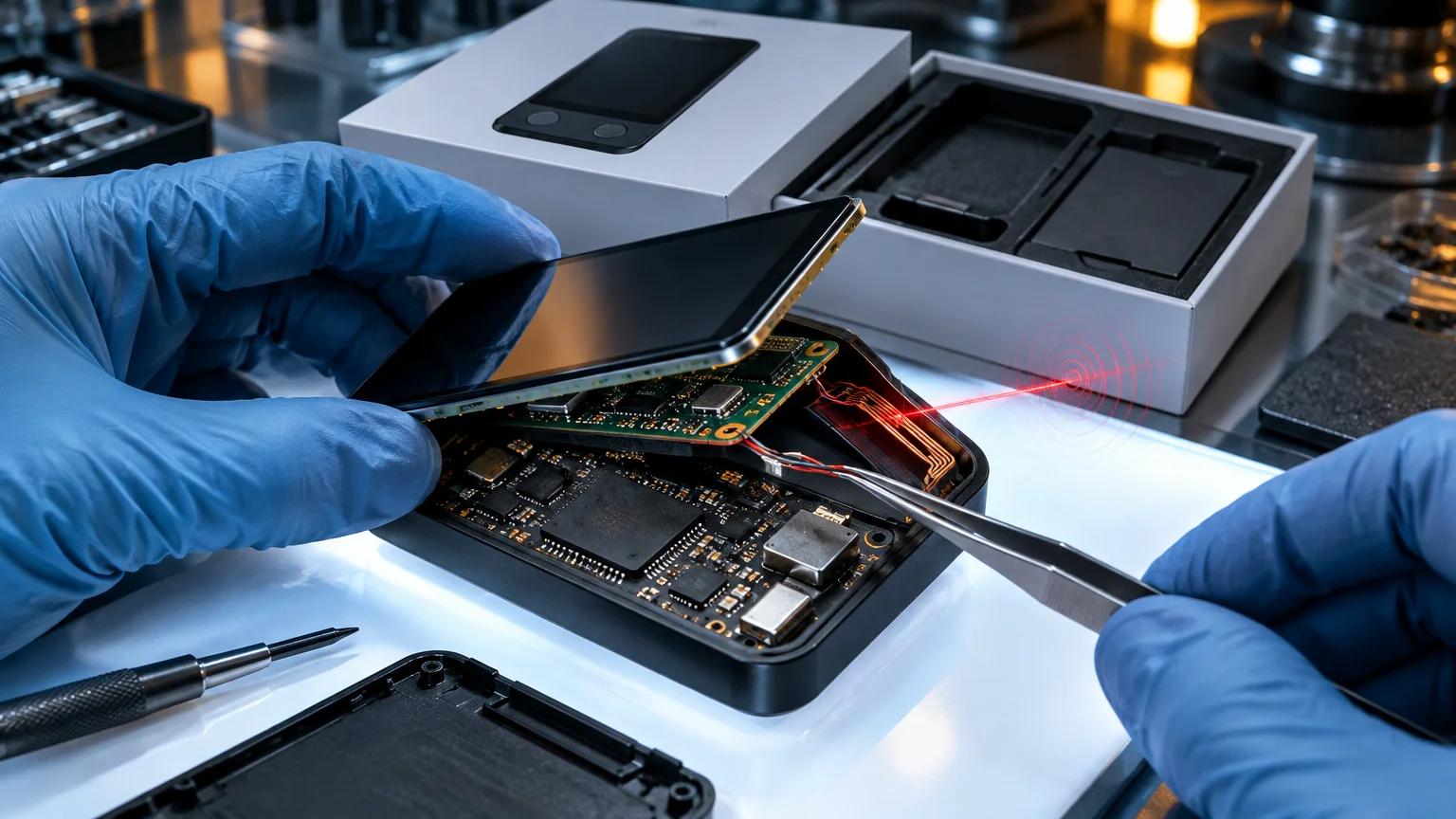
Mark Karpelès' Ledger Implant OSINT registry tracks devices reported with added circuitry and distinguishes those cases from counterfeit wallets. Its description of examined implants identifies separate antennas and circuitry capable of reading recovery phrases from the screen.
Those components direct investigators toward the device's physical construction, an aspect of the investigation that a software update history alone would leave unanswered.
Tracing the affected unit through distribution should be a priority. The reported shop purchase gives investigators a starting point from which to trace who handled the device and where it may have been modified before sale. Receipts, device photographs and inventory records would help connect the retail account to a particular unit and its route to the customer.
Preserving purchase evidence is therefore useful alongside preserving the hardware itself.
A genuine chip can sit inside a modified wallet
Ledger's published purchasing guidance describes the scope of its Genuine Check. The check authenticates the Secure Element through a cryptographic challenge and response. It cannot detect unauthorized physical additions when the original Secure Element remains intact.
The company's guidance also distinguishes a modified genuine device from a counterfeit. In the former, an attacker adds hardware after manufacture; in the latter, the product imitates a Ledger device.
For owners, a successful authenticity check leaves open the question of whether someone added circuitry around the authenticated component. The reported teardown examines the physical hardware beyond the component tested by the software check.
This is the central custody issue in the Dubai reports. The buyer needs confidence in the complete device, including the path it took before first use. Authentication of one component answers only part of that question.
The registry's screen-reading description also explains the attention on setup. Analysis of this attack method should examine the moment recovery information appears on the display, along with any additional electronics positioned to intercept it. A device can contain the expected security component while another component observes information outside it.
Purchase checks and setup checks address different risks
Ledger advises buying directly or through authorized sellers, using authentic software for the Genuine Check, and contacting support if packaging appears opened or altered. It also says its distribution agreements prohibit partners from restocking returned devices.
These precautions address different opportunities for interference. Seller verification concerns the distribution route. Package inspection concerns visible handling. The cryptographic check concerns the Secure Element. Treating them as separate checks helps buyers understand the protection each provides.
Ledger also warns against devices supplied with a preconfigured PIN or recovery phrase and against entering recovery words into a computer, phone, app or website.
For readers comparing self-custody arrangements, the Dubai reports add a purchasing question to the usual discussion of control over keys: who supplied the signing device, and what evidence accompanies it?
A higher purchase price or familiar storefront is not, by itself, a technical assessment of the circuitry inside a wallet. Owners concerned by an implant report should also resist improvising a teardown. Ledger's guidance limits physical inspection advice to users confident enough to follow its instructions without damaging the device. Those concerned about a particular purchase can retain the receipt and contact official support before attempting disassembly.
Overview
The Dubai reports concern losses attributed by owners to retail-bought Ledger wallets, with photographic evidence supporting an implant finding in one Flex device. The second device remains a suspected case.
The cases illustrate why hardware authenticity and physical integrity require different evidence. Ledger's own guidance says the Genuine Check can authenticate the Secure Element while missing an added spying component. For an affected purchase, the next steps in an investigation depend on examining the device, its receipt and its distribution history.