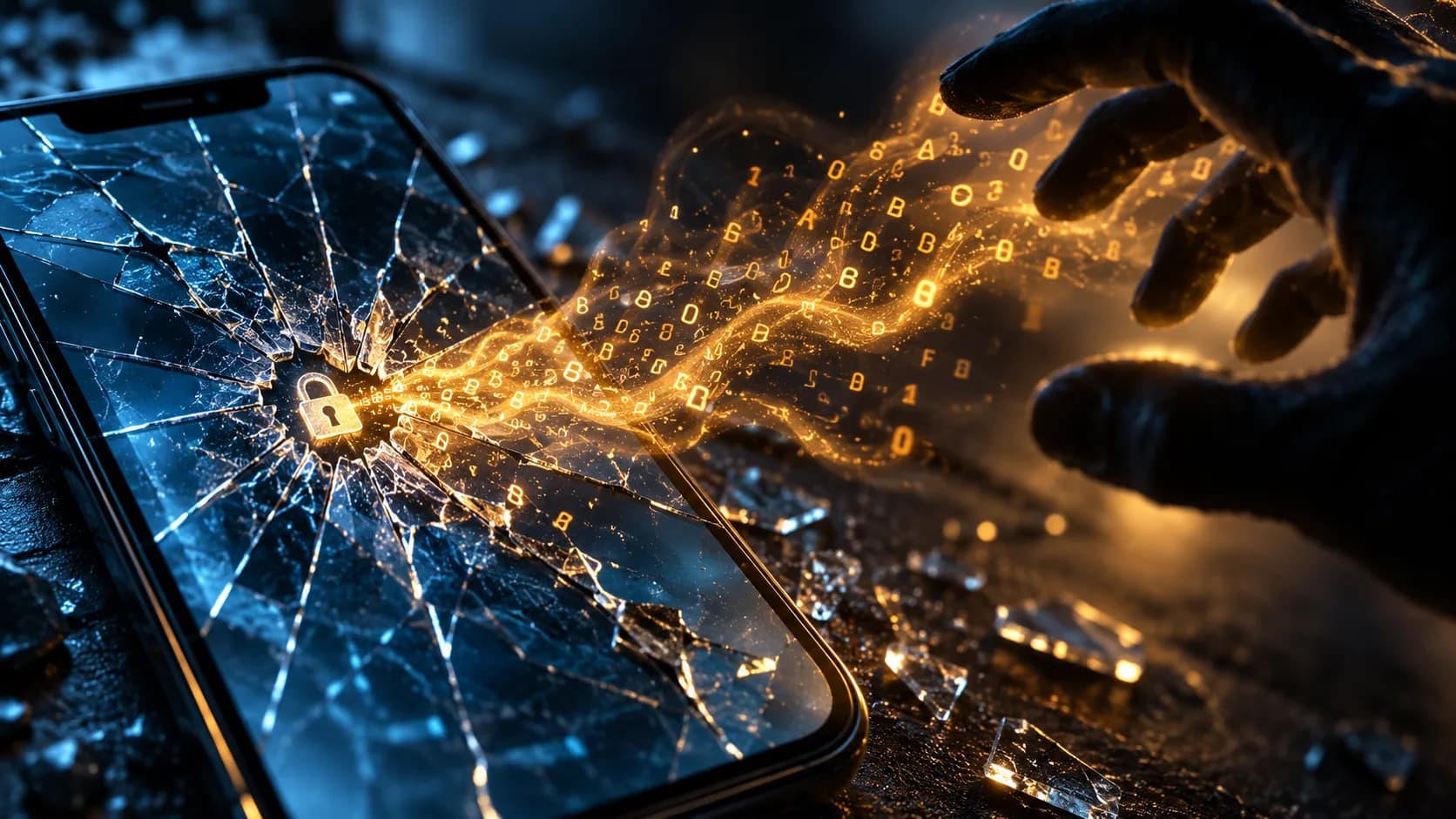
iPhone users are being warned about a potential Safari zero-day that could expose crypto private keys and seed phrases, according to an alert from crypto research account Coin Bureau posted on September 22, 2026. The warning frames the flaw as a browser-level vulnerability, which is the layer where many people interact with wallets, exchanges, and DeFi apps every day.
A zero-day is a security hole that is known to attackers before the vendor has a patch available. For crypto holders, the browser is one of the most sensitive attack surfaces there is. Anything that can read what Safari renders or stores, including clipboard contents, autofill data, or text typed into a web wallet, sits directly between a user and the assets they control.
The reason a browser flaw hits crypto harder
Most people think of their wallet as the app icon on the home screen. In practice, a large share of crypto activity runs through the browser: web wallet extensions, exchange logins, token approval prompts, and recovery-phrase entry during wallet setup or restore. A flaw that lets malicious code read memory or intercept input inside Safari does not need to break the wallet's own cryptography. It only needs to catch the moment a private key or seed phrase is visible in plain text.
Seed phrases are the highest-value target because they are the master key. A private key controls one account. A 12 or 24-word seed phrase can regenerate an entire wallet and every account under it. Once a seed phrase leaves the device, there is no revoking it and no chargeback. The funds move, and they stay moved. That is the core trade-off of holding your own keys, and it is the reason self-custody setups demand more discipline than a custodial account where a provider can freeze a compromised login.
Details that are confirmed, and details that are not
The public claim so far is an alert, not a full technical disclosure. Coin Bureau describes it as a "potential" Safari zero-day that "could" expose keys and phrases. Those hedges matter. As of September 22, 2026, the alert does not come with a published CVE identifier, a named exploit in the wild, or confirmation from Apple in the same post. Treat the severity as real but the specifics as unverified until a vendor advisory lands.
That uncertainty does not lower the recommended response. Browser zero-days that touch memory or input handling are among the most reused bug classes in mobile security, and crypto users are a known priority for attackers. Onchain-focused malware has been climbing sharply this year, and state-backed groups have leaned into wallet-credential theft specifically. Waiting for perfect confirmation before changing behavior is the expensive option.
Steps that reduce exposure now
Update iOS the moment Apple ships a fix. Zero-days get patched fast once they are public, and the window between disclosure and patch is exactly when this kind of flaw is most dangerous. Turn on automatic updates so you are not relying on memory.
Stop entering seed phrases into anything running in a browser. A recovery phrase should only ever be typed into the wallet app it belongs to, ideally while offline, and never into a web form, a "wallet checker," or a page that arrived through a link. This single habit defeats most phishing and a large share of input-interception attacks.
Move meaningful balances off hot storage. A hardware wallet keeps the private key on a separate device that signs transactions without the key ever touching the phone or the browser. Even a compromised Safari session cannot extract a key that never enters the phone's memory. For everyday spending, keeping only small amounts in a mobile hot wallet limits what any single device compromise can reach, and pairing that with a minimal-verification card or a stablecoin spending card keeps the balance exposed to daily use small by design.
Be cautious with links until the patch lands. Zero-days that live in a browser are usually triggered by visiting a crafted page. Avoid opening unfamiliar links on the affected device, and do not approve wallet connection or signing requests from sites you did not navigate to yourself.
Overview
A reported Safari zero-day could put iPhone users' crypto private keys and seed phrases at risk, per a September 22, 2026 alert from Coin Bureau. The technical specifics, including any CVE or confirmed exploitation, remain unverified pending an official advisory. The defensive playbook does not depend on those details: patch iOS as soon as a fix is released, never enter a seed phrase in a browser, keep large balances in hardware wallets, and avoid untrusted links on the device until the flaw is resolved. The cost of acting early on a browser-level key-theft risk is minutes; the cost of acting late is the whole wallet.