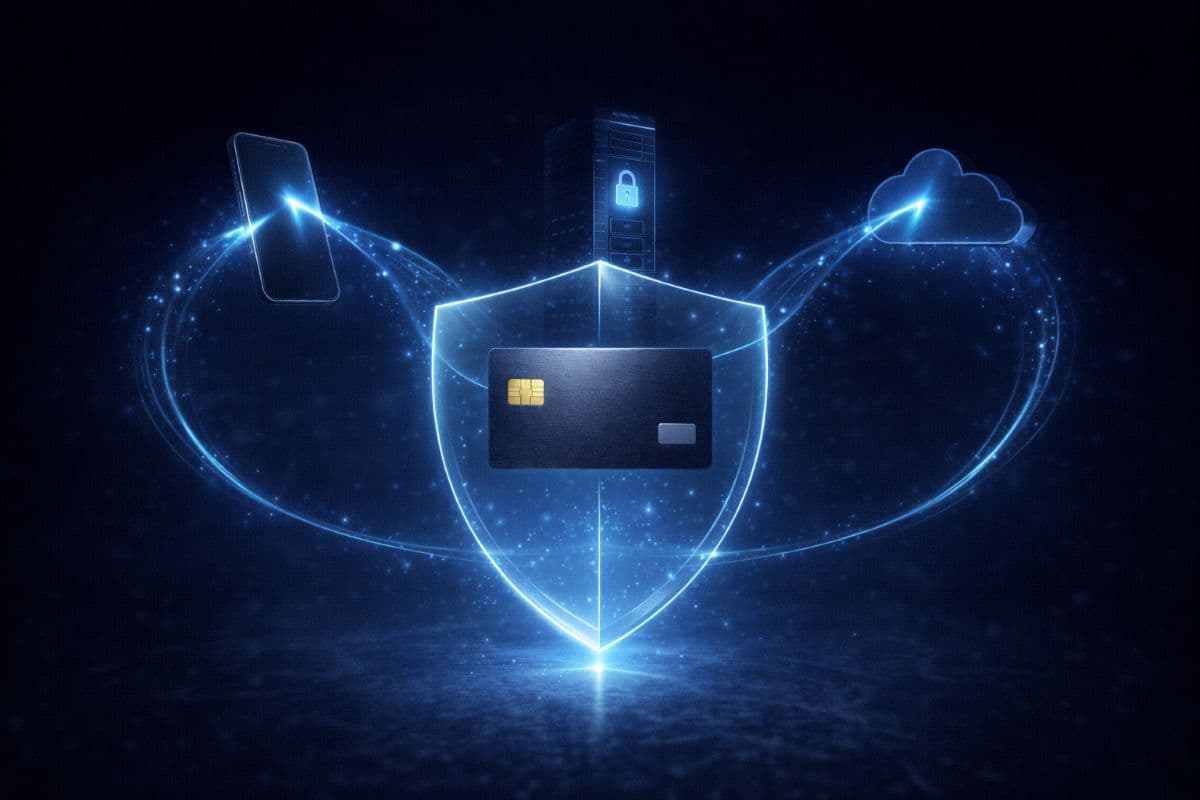
The most significant friction point in crypto card adoption has always been the tension between security and convenience. For years, users had to choose between the high risk of a custodial exchange wallet or the high complexity of a self-custody seed phrase. Multi-Party Computation (MPC) offers a middle path that could redefine how we secure card-linked funds.
By removing the single point of failure inherent in traditional private keys, Binance is attempting to build a 'Human-Centric' security layer. This guide analyzes the technical shift from standard wallets to MPC and what it means for your daily spending ROI and risk profile.
Why MPC Security Matters for Card Users
As crypto card spend limits increase, the bounty for hackers grows larger. SIM-swap and phishing attacks target mobile apps and the wallets that fund card spend. Traditional two-factor authentication (2FA) alone is no longer enough to protect a meaningful card balance.
The move toward MPC is a direct response to these sophisticated threats. It allows for institutional-grade security to be delivered to retail cardholders. If you use a card to manage a significant portion of your net worth, understanding how your keys are stored is no longer a technical curiosity: it is a fundamental requirement for fund safety.
How Binance MPC Wallets Protect Your Keys
Binance MPC wallets utilize Multi-Party Computation to secure digital assets by splitting a private key into multiple 'Key Shares' distributed across different locations, ensuring that no single party—including Binance or the user—ever holds the full key in a single place. When a card transaction is initiated, these shares collaborate to sign the transaction without ever reassembling the full key, effectively eliminating the risk of a single-point-of-failure theft. This system replaces the traditional 24-word seed phrase with a combination of cloud storage, device-level security, and exchange-side authentication, making the recovery process feel more like a traditional bank account reset than a cryptographic emergency.
The Mechanics of Key Sharding
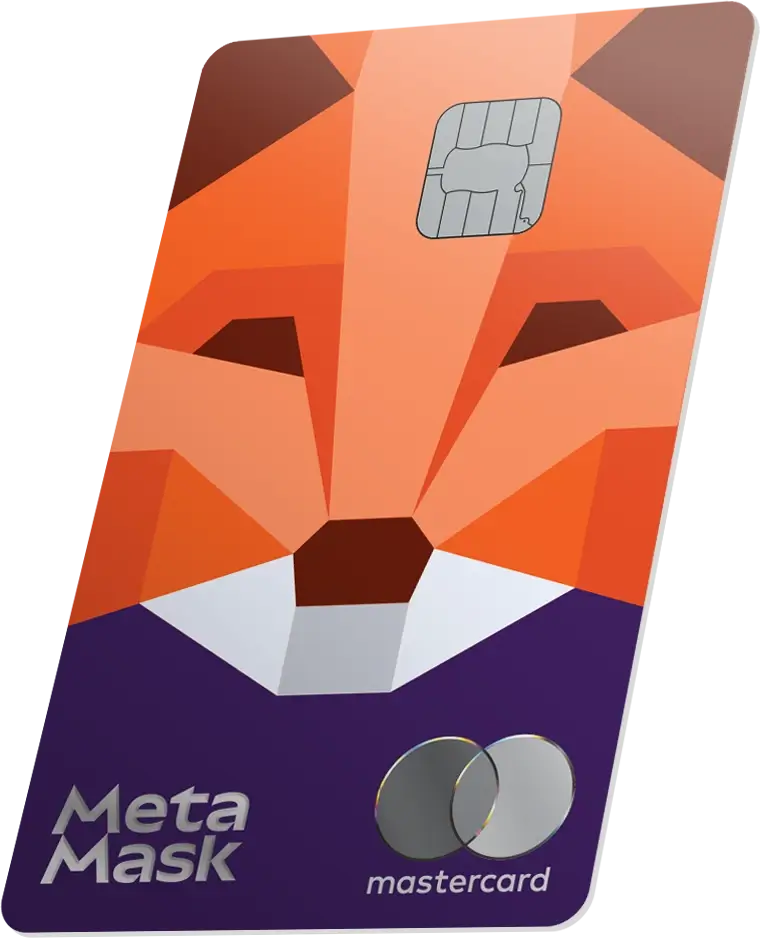
To appreciate the security upgrade, you must understand the '3-Share Model' that Binance has implemented. Unlike a standard Ledger or MetaMask wallet where the key is a single string of data, an MPC wallet creates three distinct pieces:
- The Device Share: Stored locally on your smartphone, often protected by biometric data like FaceID or a fingerprint.
- The Cloud Share: Encrypted and stored in your personal cloud backup (i.e. iCloud or Google Drive), protected by your own recovery password.
- The Binance Share: Held by the exchange and only accessible after a successful MFA (Multi-Factor Authentication) check.
To sign a transaction, two of these three shares must communicate. If a hacker steals your phone, they only have one share. If Binance is compromised, the hacker only has one share. Your funds remain safe because the 'Threshold' for signing has not been met.
Market Benchmarking and Cost/Risk Math
How does Binance's MPC model compare to existing self-custody or custodial card options? We must look at the 'Time to Loss' and 'Recovery Complexity.'
| Feature | Custodial (Legacy) | Self-Custody (Seed Phrase) | Binance MPC |
|---|---|---|---|
| Key Location | Exchange Server | User Hardware / Paper | Distributed Shards |
| Loss of Device | No risk to funds | High risk (if no backup) | Low risk (Cloud + MFA) |
| Phishing Risk | High (Account takeover) | Low (Needs physical key) | Medium (Needs MFA + Cloud) |
| Recovery Path | Support Ticket (Days) | Manual Reset (Stressful) | Biometric + Cloud (Minutes) |
The 'Security ROI' Math: The cost of using a hardware wallet for your card spend includes an upfront device purchase plus the cognitive load of managing a seed phrase. The practical ROI of MPC is the reduction of single-point-of-failure risk without adding a hardware step, which is especially valuable for users keeping larger card balances.
Common Mistakes or Myths
Myth 1: "MPC means Binance can't freeze my funds."
This is incorrect. Because Binance still holds one of the key shares and controls the authentication rail, they can still comply with legal 'Freeze' orders. MPC protects you from hackers, not from regulatory compliance. For total sovereignty, you would still need a non-custodial card.
Myth 2: "If I lose my cloud password, my funds are gone."
Not necessarily. The 2-of-3 model is designed for this. If you lose your cloud share, you still have your device share and the Binance share. You can use these two to generate a new cloud share. The system is designed to be 'Self-Healing.'
Myth 3: "MPC is the same as Multi-sig."
While similar in goal, the math is different. Multi-sig requires multiple separate transactions from multiple separate keys. MPC creates one signature from a single key that was never fully 'whole.' MPC is generally faster and cheaper for card-linked transactions because it uses less on-chain data.
How This Relates to Crypto Cards
Binance is highlighting MPC wallets as a safer custody model, and MPC is increasingly relevant for card-linked spending. By reducing single-point-of-failure risk, MPC can lower the fear of loss that prevents many people from keeping meaningful balances in a card wallet.
If you are currently choosing between cards, consider the following:
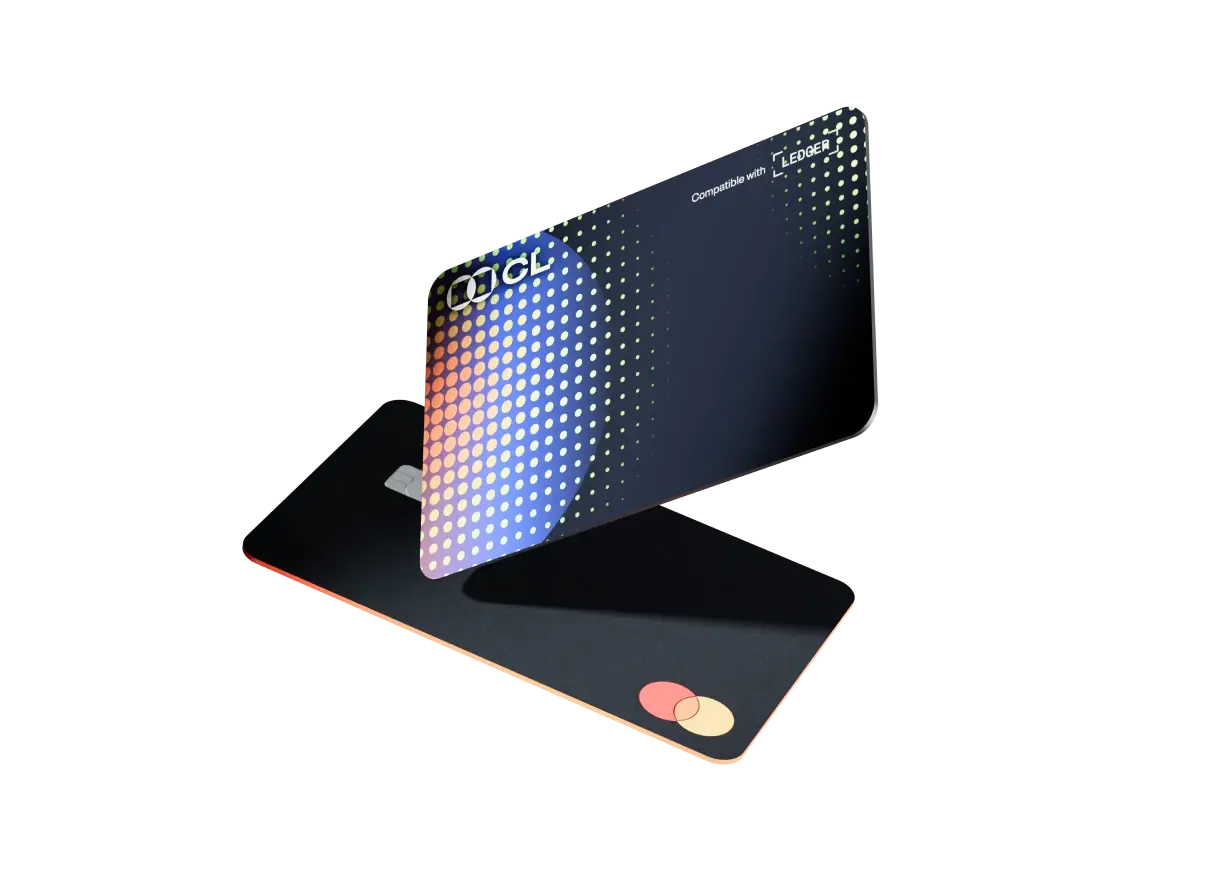
- For High Security: Choose an MPC-backed card like Binance or a hardware-linked card like Ledger Crypto Life.
- For Maximum Privacy: Look at our Self-Custody guide for cards that don't require exchange-side shares.
- For Ease of Use: MPC is the winner. It provides bank-like recovery with crypto-like security.
If you want to compare card-linked custody models, start with the Binance Visa Card and review alternatives in our Self-Custody guide.
Overview
The integration of MPC into the Binance ecosystem is a landmark moment for cardholder security. It effectively kills the 'Seed Phrase' for retail users while providing a level of protection that custodial accounts cannot match. By distributing trust across your device, your cloud, and the exchange, Binance has created a resilient spending infrastructure that is ready for mainstream adoption.
Don't wait for a security breach to audit your setup. Transitioning your spending capital to an MPC-backed wallet is a strong move if you want bank-like recovery with crypto-grade security.
Actionable takeaway: Open your Binance App, navigate to the Web3 Wallet tab, and follow the prompts to secure your wallet with cloud backup. Use a unique recovery password and store it outside the same cloud account.