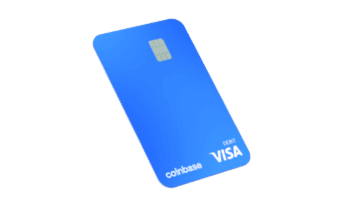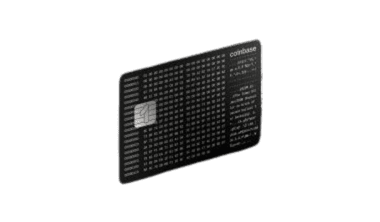




The Coinbase Card is a dual-product US card ecosystem offering a prepaid Visa debit card (not a traditional credit card) with rotating crypto rewards, alongside an American Express credit card with up to 4% BTC back for Coinbase One members, both with zero fees and FDIC-insured USD balances.
The US Gold Standard for Regulated Crypto Spending
Per our latest update on every US crypto card ecosystem, Coinbase is the most trusted name in American crypto. As a publicly traded company on the NASDAQ (COIN), it operates under rigorous financial oversight that no offshore exchange can match. The card program reflects this philosophy: zero hidden fees, FDIC-insured fiat balances, and a dual-product lineup that serves both casual users and high-net-worth investors.
The Ecosystem: Visa Debit + Amex Credit
-
Coinbase Card (Visa Debit) - Free prepaid Visa for all US users. Rotating crypto rewards (variable rate), spend from 50+ assets, issued by Pathward, N.A. Available in all US states except Hawaii.
-
Coinbase One Card (Amex Credit) - American Express credit card for Coinbase One members ($49.99/year). Up to 4% BTC back based on assets held. Stainless steel (17g). Full Amex protection suite. Issued by First Electronic Bank via Cardless, Inc.
Fee Structure: Advertised vs Reality
Advertised:
- $0 annual fee (both cards)
- 0% FX fee
- 0% ATM fee (Visa debit)
- Up to 4% rewards
Actual costs you will encounter:
Conversion Spread (The Hidden Cost)
Coinbase does not charge a flat conversion fee, but applies a spread when converting crypto to fiat at point of sale. This spread varies by asset:
| Asset | Typical Spread | Cost per $100 |
|---|---|---|
| USDC | 0% | $0 |
| BTC | 0.5-1.5% | $0.50-1.50 |
| ETH | 0.5-1.5% | $0.50-1.50 |
| SOL | 1.0-2.0% | $1.00-2.00 |
| Altcoins | 1.5-3.0% | $1.50-3.00 |
The USDC hack: Convert to USDC before spending. USDC-to-fiat conversion is free on Coinbase, making the card functionally a zero-fee bank account. This is the most efficient way to use either Coinbase card.
Coinbase One Membership Cost
The Amex credit card requires Coinbase One ($49.99/year). Our break-even analysis: at 2% base rate, $2,500/year in spending covers the membership. At 4% tier: $1,250/year. For most active users, the membership pays for itself through card rewards alone, before counting the zero trading fees ($500/mo volume) and boosted USDC APY.
ATM Reality
- Coinbase fee: $0
- ATM operator fee: $2-5 typical
- Daily limit: $1,000, max 6 withdrawals
- Effective cost: 1-2.5% on $200 withdrawal (operator fee only)
Technology: USDC and Just-in-Time Conversion
The Coinbase ecosystem is built around USDC, the leading regulated stablecoin (co-founded by Coinbase via Circle):
- Zero-fee pipeline: USD to USDC conversion is free on Coinbase
- USDC spending: 0% conversion spread (functionally a bank card)
- Crypto spending: JIT conversion sells the exact amount needed at point of sale
- 50+ assets: Spend from BTC, ETH, SOL, and 50+ more
- Apple Pay / Google Pay: Both cards supported
The Amex credit card operates differently: it is a traditional credit card. You spend on credit, pay the balance monthly, and earn BTC rewards. Your crypto remains invested while you spend.
Real User Scenarios
Scenario 1: Mike (USDC-First User, $3,000/month spend)
Setup:
- Coinbase Visa debit card (free)
- Converts all crypto to USDC before spending
- 4% rotating reward active (variable)
Monthly math:
- Cashback: $3,000 x 4% = $120 in crypto
- Conversion spread: $0 (spending USDC)
- FX fees: $0
- Net monthly value: $120 = $1,440/year
His verdict: "By converting to USDC first, I get the full reward rate with zero spread. It is functionally a 4% cashback bank card with FDIC insurance. No other crypto card offers this combination of safety and return."
Scenario 2: Sarah (Coinbase One Amex, $5,000/month spend, frequent traveler)
Setup:
- Coinbase One membership ($49.99/year)
- Amex credit card at 3% BTC tier ($50K+ assets on Coinbase)
- 40% international spending
- Uses Amex Purchase Protection and Travel Insurance
Monthly math:
- BTC cashback: $5,000 x 3% = $150 in BTC
- Coinbase One cost: -$4.17/month
- FX fees: $0
- Amex travel insurance value: approx. $20/month (estimated)
- Net monthly value: $165.83 = $1,990/year
Amex Protection value:
- Purchase Protection (theft/damage 90 days): Used once for $300 laptop damage claim
- Extended Warranty: Added 1 year to $800 appliance
- Car Rental Insurance: Saved $180 on a week rental
- Annual protection value: approx. $480 in claims/savings
Her verdict: "No crypto debit card offers Purchase Protection or Travel Insurance. The Amex suite alone justifies the $50/year membership. The 3% BTC on top is exceptional."
Scenario 3: David (Casual User, $1,500/month, spending BTC)
Setup:
- Coinbase Visa debit card (free)
- Spends directly from BTC (does not convert to USDC)
- 4% rotating reward active
Monthly math:
- Cashback: $1,500 x 4% = $60
- BTC conversion spread: $1,500 x 1.0% = -$15
- Net monthly value: $45 = $540/year
His verdict: "The spread eats into my rewards when spending BTC directly. Converting to USDC first would save me $180/year. Worth the extra step."
Lesson: Always convert to USDC before spending on Coinbase. The spread on crypto is the only real cost.
2026 Regulatory Status
United States:
- NASDAQ-listed (COIN) - public company with SEC-audited financials
- NYDFS BitLicense holder (approved 2017)
- FinCEN MSB registration
- State licenses: All 50 states + territories (except Hawaii for card)
- FDIC insurance: USD balances protected up to $250,000 via partner banks (Pathward, Metropolitan Commercial Bank)
Card issuers:
- Visa debit: Issued by Pathward, N.A. (Member FDIC), powered by Marqeta
- Amex credit: Issued by First Electronic Bank via Cardless, Inc.
What is protected:
- USD balances: FDIC insured up to $250,000
- Card transactions: Visa Zero Liability / Amex Fraud Protection
- Amex credit card: Purchase Protection, Extended Warranty, Travel Insurance, Car Rental Insurance
- Company financials: Publicly audited quarterly (SEC filings)
What is NOT protected:
- Crypto balances (not FDIC insured, though Coinbase holds $320B+ in custody)
- USDC balances (not FDIC insured, though Circle maintains 1:1 reserve audits)
- Crypto reward value (BTC/crypto rewards fluctuate with market)
- Conversion spread costs (not disclosed upfront per transaction)
What Happens If Coinbase Fails?
Your USD balance:
- FDIC insured up to $250,000 via partner banks
- Expected recovery: 100% within days (standard FDIC process)
- This is the gold standard of protection - no other crypto card offers this
Your crypto balance:
- Coinbase holds $320B+ in custody across institutional and retail accounts
- As a NASDAQ-listed company, bankruptcy would be a structured process under US law
- In bankruptcy, crypto holders are unsecured creditors
- Expected recovery: 70-90% (better than offshore exchanges due to US legal framework)
- Coinbase has stated that customer crypto is segregated from corporate assets
Your card functionality:
- Visa debit: Would stop working if Coinbase cannot fund Pathward settlement
- Amex credit: Issued by First Electronic Bank - could potentially continue independently
- Pending rewards would likely be lost
Comparison to offshore exchanges:
- FTX (offshore, unregulated): Users lost 100%, recovering 70% after 3+ years
- Coinbase (US, NASDAQ, FDIC): Fiat 100% protected, crypto segregated, US legal protections
- Risk level: The lowest in the crypto card industry
Mitigation strategy:
- Keep large USD balances (FDIC protected)
- Withdraw BTC rewards to self-custody regularly
- The USDC-first spending strategy means minimal crypto on platform
Coinbase stability indicators (2026):
- Founded 2012, NASDAQ-listed since 2021
- $320B+ in custody
- SEC-audited quarterly financials
- 110M+ verified users
- No major security breaches
- Partner of choice for US government crypto custody
How Coinbase Compares: Head-to-Head
| Feature | Coinbase | Gemini | Crypto.com | Uphold |
|---|---|---|---|---|
| Max Cashback | 4% (Amex, tiered) | 4% (category) | 8% ($1M stake) | 4% (promo, variable) |
| Staking Required | None | None | $500-$1M CRO | None |
| Card Types | Visa Debit + Amex Credit | Mastercard Credit | Visa Prepaid | Mastercard Debit |
| FDIC Insurance | Yes (USD, $250K) | Yes (USD, $250K) | No | Yes (USD, $250K) |
| Purchase Protection | Yes (Amex only) | No | No | No |
| Travel Insurance | Yes (Amex only) | No | No | No |
| Regions | US only | US only | Global (95+) | US, UK |
| Best For | Safety-first US users | BTC stackers | Global lifestyle | International travelers |
Here is how it stacks up:
Coinbase wins on:
- Strongest regulatory protection (NASDAQ, FDIC, NYDFS)
- Only crypto card with Amex Purchase/Travel Protection
- Dual card system (debit + credit)
- USDC zero-fee spending pipeline
- 110M+ user base and institutional trust
Coinbase loses on:
- US only (no international availability)
- Conversion spread on non-USDC spending
- No lifestyle perks (no lounge, no streaming rebates)
- Variable reward rates (not guaranteed)
- Amex acceptance lower than Visa in some regions
Who Should Use Coinbase Card in 2026?
Ideal user profile:
- US resident who prioritizes regulatory safety
- Already uses Coinbase for crypto trading/holding
- Comfortable with USDC as spending strategy
- Wants FDIC-insured fiat balances
- Values Amex protections (Purchase, Travel, Warranty)
- Spends $2,000+/month
Who should avoid:
- Non-US residents (not available)
- Users who want maximum cashback without complexity (use Gemini for flat 4% categories)
- Users who want zero-fee crypto spending (spread applies on non-USDC - use Kraken for true 0%)
- Self-custody advocates (fully custodial - use Ready or Gnosis Pay)
- Users who want lifestyle perks (no lounge/rebates - use Crypto.com)
Where it lands: Our review finds that Coinbase is the safest crypto card in the world. FDIC insurance, NASDAQ listing, and SEC audits provide a level of protection no other crypto card can match. The dual card system (Visa debit for everyday, Amex credit for protection) covers all spending scenarios. The USDC-first strategy eliminates conversion costs entirely. For US residents, this is the benchmark.
Fees and ROI framework
$0 annual fee on Visa debit. Coinbase One ($49.99/year) required for Amex credit. Break-even on Amex at 2% base: $2,500/year. At 4% tier: $1,250/year. True cost is conversion spread: 0% on USDC, 0.5-1.5% on BTC/ETH, 1.5-3.0% on altcoins. The USDC-first strategy makes both cards functionally zero-fee. At $3,000/month USDC spending with 4% reward, net value is $1,440/year.
Competitor comparison
- vs Gemini: Gemini offers up to 4% BTC on Mastercard credit (no membership required). Coinbase offers up to 4% BTC on Amex credit ($49.99/year membership). Gemini wins on simplicity (no membership). Coinbase wins on Amex protections (Purchase, Travel, Warranty) and dual-card flexibility.
- vs Crypto.com: Crypto.com offers 2-8% CRO with staking ($500-$1M). Global availability (95+ countries). Coinbase requires no staking and is US-only. Crypto.com wins on lifestyle perks and global reach. Coinbase wins on regulatory safety (FDIC, NASDAQ) and zero staking.
- vs Uphold: Uphold offers true 0% FX and precious metals spending (US + UK). Coinbase offers FDIC insurance and Amex protections (US only). Uphold wins on FX savings for travelers and precious metals. Coinbase wins on regulatory trust and dual-card options.
Availability and compliance notes
US only (all states except Hawaii for Visa debit; excluding territories for Amex credit). NYDFS BitLicense, FinCEN MSB, 50-state licensed. FDIC-insured USD via Pathward and Metropolitan Commercial Bank. Standard KYC required. No credit score impact for Amex initial check. Visa debit: no credit check. Apple Pay and Google Pay supported.
Sources and Verification
Frequently Asked Questions
What is the difference between the Debit and Credit cards?
The Coinbase Card is a prepaid Visa debit card (issued by Pathward, N.A.) available to all US Coinbase users with rotating crypto rewards. The Coinbase One Card is an American Express credit card (issued by First Electronic Bank) exclusively for Coinbase One members ($49.99/yr), offering tiered BTC rewards up to 4% and Amex purchase/travel protection.
Are there any fees on the Coinbase Card?
No transaction fees, no annual fee, no FX fee, and no ATM fee from Coinbase. However, a spread applies when converting crypto to fiat at point of sale. ATM operators may charge their own fees.
How do Coinbase One Card reward tiers work?
BTC back rates are 2%, 2.5%, 3%, or 4% based on your Assets on Coinbase (AOC) - the 30-day average of your daily end-of-day balance. The 2.5%, 3%, and 4% tiers are capped at $10,000 in purchases per month (then 2% thereafter).
Is the Coinbase Card available outside the US?
No. The prepaid Visa is available in all US states except Hawaii. The Coinbase One Amex is available in the US excluding US territories.
Is the Coinbase Card a credit card?
Coinbase offers both. The standard Coinbase Card is a prepaid Visa debit card (no credit line, no credit check). The Coinbase One Card is an American Express credit card available exclusively to Coinbase One members, with tiered BTC rewards and full Amex purchase protection.
App Store (1.8M ratings)
Source: Apple App Store - Updated Invalid Date