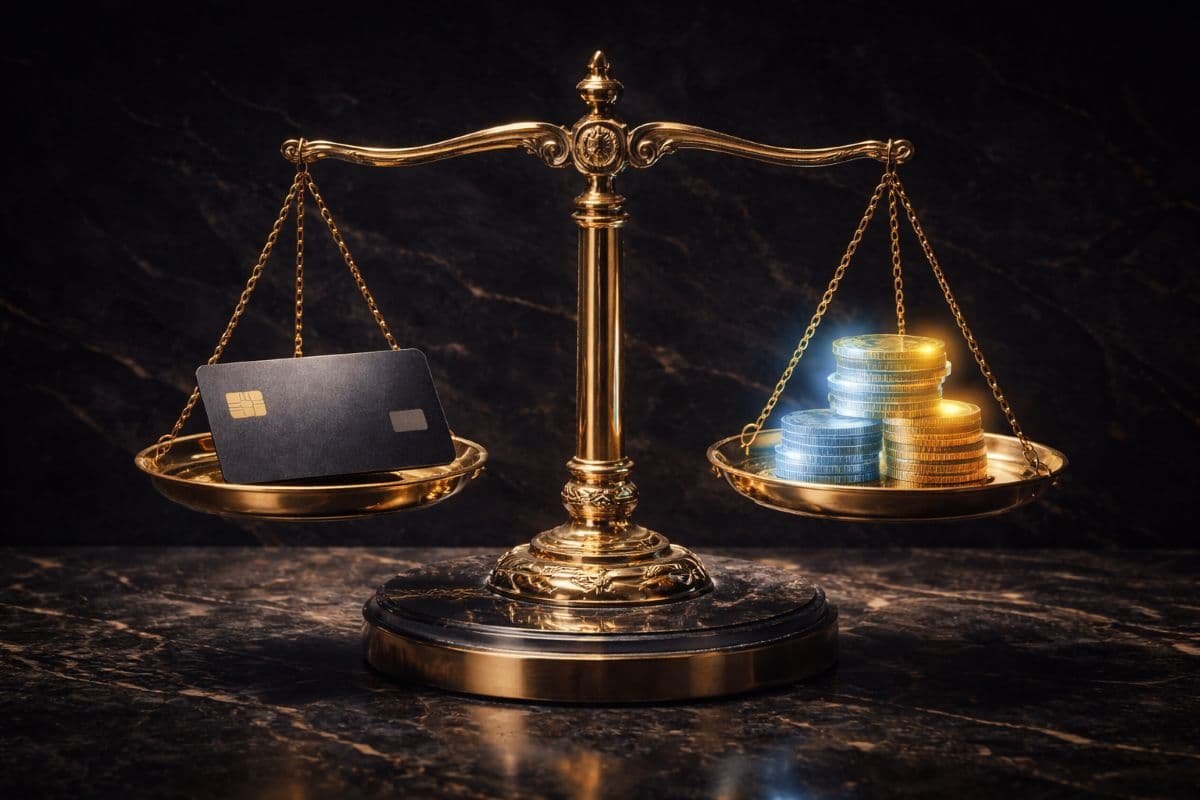
A recent viral story on Reddit has reignited the debate over traditional banking "traps." A user moving overseas found themselves in an endless cycle of inactivity fees and minimum balance surcharges from Wells Fargo, unable to reach a human to close the account. In 2026, this stands in stark contrast to the emerging world of crypto cards, which prioritize user control and transparent, code-based fee models. This article analyzes the "hidden cost" of traditional banking and how crypto-native tools are breaking the cycle.
Why Fee Transparency Matters for Nomads
For digital nomads and international travelers, the ability to open and close financial accounts without friction is a necessity, not a luxury. When traditional banks implement high-friction exit barriers—such as requiring in-person appointments or using "chatbot loops"—they aren't just protecting security; they are monetizing your inactivity. As crypto cards reach 90+ million merchants globally, they are no longer just "alt-finance"—they are becoming the primary choice for those fleeing traditional fee traps.
How Traditional Banks Trap Users with Fees
The "Inactivity Fee Trap" occurs when traditional banks charge monthly maintenance fees on accounts with low activity or balances while implementing high-friction procedures (like mandatory in-branch visits or unhelpful phone queues) that prevent users from easily closing the account. This creates a "zombie account" that bleeds the user's remaining capital. In contrast, most 2026 crypto cards use a "pay-as-you-go" model where fees are applied only at the moment of conversion or spend, and accounts can be managed or deactivated directly from a mobile app without human intervention.
Market Benchmarking and ROI Math
Traditional banks often monetize the account itself (maintenance fees, paper statement fees, inactivity fees). Crypto card providers typically monetize the transaction (conversion spreads, liquidation fees).
Illustration 1: The "Zombie Account" Math (12 Months of Inactivity)
| Fee Category | Traditional Bank (Wells Fargo Example) | Modern Crypto Card (Coinbase/Tria) |
|---|---|---|
| Monthly Maintenance | $12.00 | $0.00 |
| Inactivity Surcharge | $5.00 | $0.00 |
| Customer Support Access | Chatbot Loop | 24/7 Priority / In-App |
| Account Closure | In-Branch Required | 1-Tap Deactivate |
| Total Annual Cost | $204.00 | $0.00 |
The Reddit user reported that Wells Fargo increased minimum balance requirements while they were overseas, triggering fees they could not stop because they could not reach a human representative. This "liquidity lock" is a primary driver for the adoption of no-annual-fee crypto cards.
Common Mistakes or Myths
Myth 1: "I'll just ignore the account and it will close itself." Banks often let accounts go into a negative balance due to fees, which can then be reported to credit bureaus or sent to collections agencies. Ignoring a fee trap is never a valid strategy.
Myth 2: "Crypto cards have more fees." While some crypto cards have high foreign transaction (FX) fees, they are almost always "active" fees. You only pay them when you actually use the card. Traditional bank fees are "passive"—they happen while you sleep.
Myth 3: "Chatbots are getting better." As seen in the Wells Fargo case, chatbots are often used as "deflection walls" to prevent users from reaching expensive human agents. In the crypto space, high-tier cards like Bybit Supreme offer dedicated human concierge services specifically to avoid this friction.
How This Relates to Crypto Cards
Crypto cards are fundamentally "Software-First." Because the account is often linked to a blockchain wallet, the state of your funds is verified by the network, not by a banker's manual override.
If you travel frequently, you should prioritize cards that offer:
- Instant Deactivation: The ability to "freeze" or "close" the card in-app if you stop using it.
- No Minimum Balance: Cards that allow you to hold $0.00 without penalty.
- Transparent Conversion: Clear disclosure of the realized spread.
You can compare cards with the cleanest fee structures in our No-Annual-Fee category.
Overview
The era of "passive fees" is ending as users demand transparency and control. The nightmare experience of being trapped in a traditional bank fee loop is a powerful reminder of why programmable, user-controlled finance is superior. When choosing your next spending tool, prioritize platforms that monetize your usage, not your existence.
Recommended Reading
- Inactivity Fees and Minimum Balances: The Hidden Crypto Card Costs
- Understanding White-Label Crypto Card Issuers
- The Spread Trap: Zero-Fee Crypto Card Hidden Costs
Actionable takeaway: If you have an unused traditional bank account, close it before moving or traveling. If you need a long-term "set and forget" off-ramp, use a crypto card with verified $0 monthly maintenance.