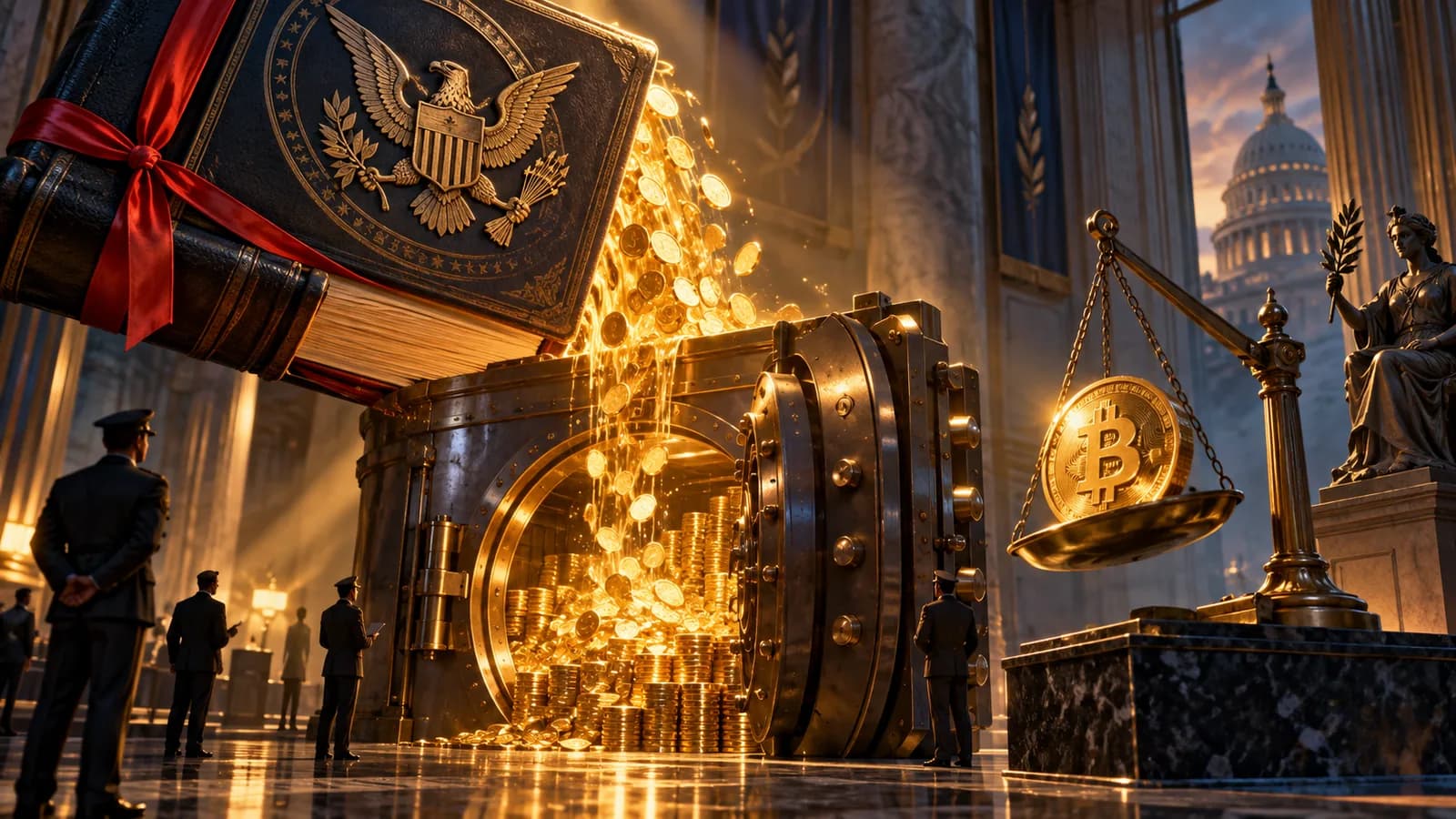
A significant law enforcement objection to US crypto market structure legislation just disappeared. The Major County Sheriffs of America, a group representing sheriffs from the largest counties in the United States, has shifted its position on the CLARITY Act from opposed to neutral, according to a July 4 report from Cointelegraph. The group sent a letter confirming the change after its concerns about Section 604 of the bill were addressed.
The MCSA first raised objections on May 14, warning that Section 604 could open loopholes for criminals and make crypto-related investigations harder to pursue. Those concerns have now been resolved to the group's satisfaction, though it is not endorsing the bill outright. Neutral is the operative word.
The Section 604 Fight, Resolved
Section 604 sat at the center of the dispute. Law enforcement groups worried the provision would carve out protections that criminals could exploit, limiting the tools available to investigators tracing stolen or laundered funds on-chain.
The sheriffs' reversal suggests negotiators found language that satisfied those concerns without gutting the provision. Neither the MCSA letter nor the Cointelegraph report details the exact changes, so the revised text will be worth reading closely once the amended bill circulates.
One request is still on the table. The MCSA wants Section 309, which requires the Treasury Department to study decentralized finance and illicit finance risks, amended to include state and local law enforcement in that process. MCSA President Bob Gualtieri put it plainly: "State and local law enforcement agencies investigate these crimes every day and must have the tools, partnerships, and resources necessary to identify offenders, trace illicit proceeds, recover assets, and protect victims."
That is a request for a seat at the table, not a threat to block the bill. It reads as the kind of ask that gets folded into a manager's amendment rather than one that stalls a floor vote.
The Bill Still Has Enemies, Just Fewer of Them
The CLARITY Act cleared the Senate Banking Committee in May under chair Tim Scott, with bipartisan support. Since then it has stalled, and the remaining resistance comes less from law enforcement than from banking groups fighting the bill's stablecoin yield provisions. Senator Elizabeth Warren remains a vocal critic on illicit finance grounds, a fight we covered when Senator Lummis pushed back on the loophole framing in early July.
The industry side is not waiting quietly. More than 200 crypto firms have signed on to a push for a Senate vote this month. SEC Commissioner Hester Peirce said in late June she expects the bill to pass this summer, and the November midterms give both parties a reason to get it done before campaign season swallows the calendar.
Law enforcement opposition is potent in Congress in a way that industry lobbying is not. A senator can dismiss crypto firms as self-interested; dismissing sheriffs is harder. Removing that objection takes away one of the most usable arguments against the bill.
Market Structure Rules Would Touch Everything Downstream
The CLARITY Act draws the line between which digital assets fall under SEC jurisdiction and which belong to the CFTC. That boundary question has shaped a decade of enforcement actions, and it got more political in June when the Supreme Court gave the president at-will removal power over both agencies' heads. A statute that fixes jurisdiction in law would matter more, not less, in that environment.
For exchanges, stablecoin issuers, and the card programs built on top of them, a settled market structure law determines which products can legally exist in the US market. The Section 309 study language the sheriffs want to join also puts DeFi under formal Treasury scrutiny, which will feed future rulemaking around self-custody and non-custodial spending tools.
Crypto markets were steady around the news. Bitcoin traded at $62,523, up 1.7% over 24 hours as of July 4, 2026, with the Fear & Greed index at 25.
Overview
The Major County Sheriffs of America dropped its opposition to the CLARITY Act on July 4, moving to neutral after its concerns about Section 604's potential investigative loopholes were addressed. The group still wants state and local law enforcement written into Section 309's Treasury studies on DeFi illicit finance, but that ask is unlikely to hold up a vote. With the bill through the Senate Banking Committee since May, 200+ crypto firms pressing for a July floor vote, and the midterms approaching in November, the sheriffs' reversal removes one of the last law-enforcement-branded objections. Banking industry resistance to the stablecoin yield provisions is now the clearest remaining obstacle.