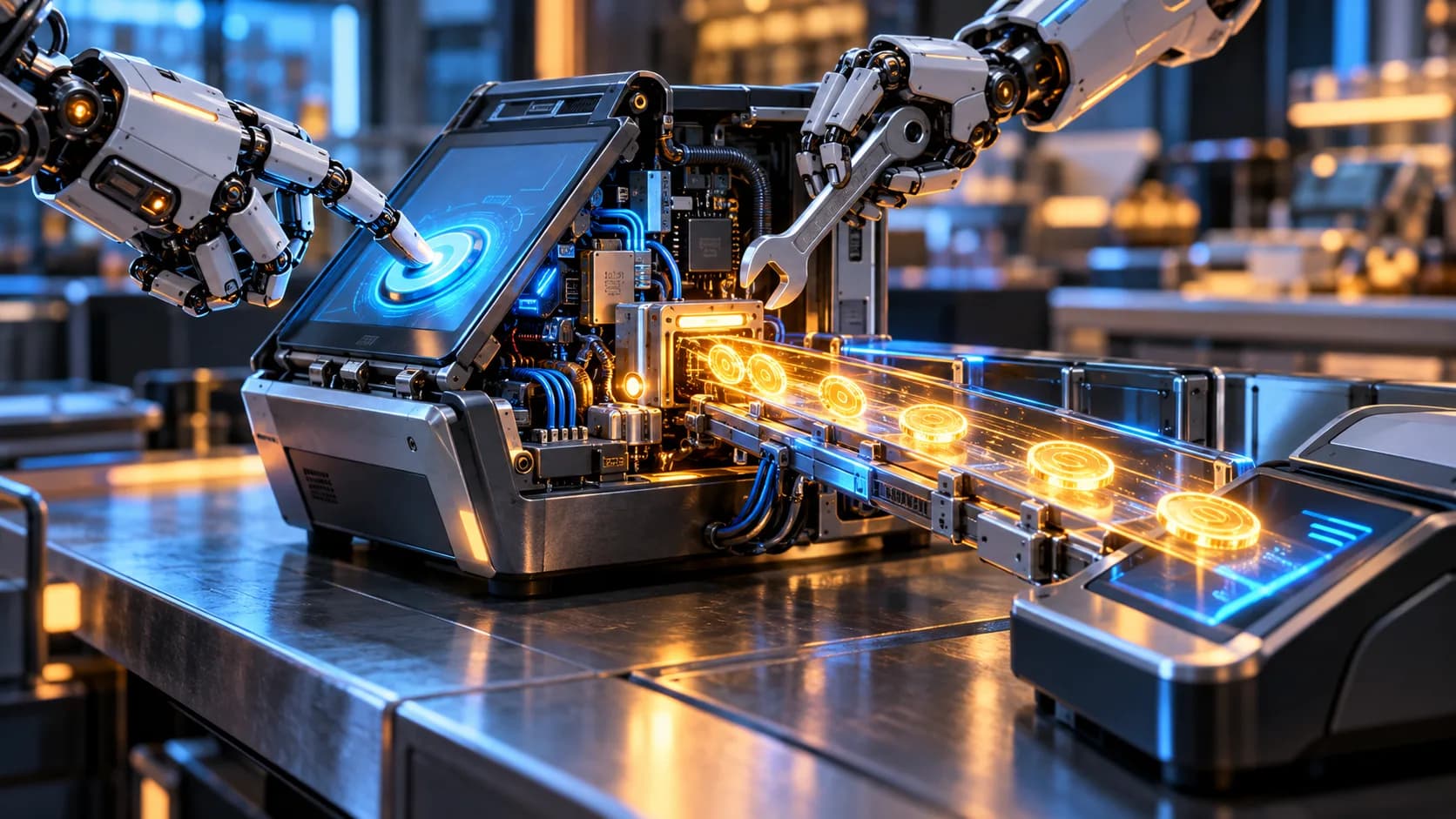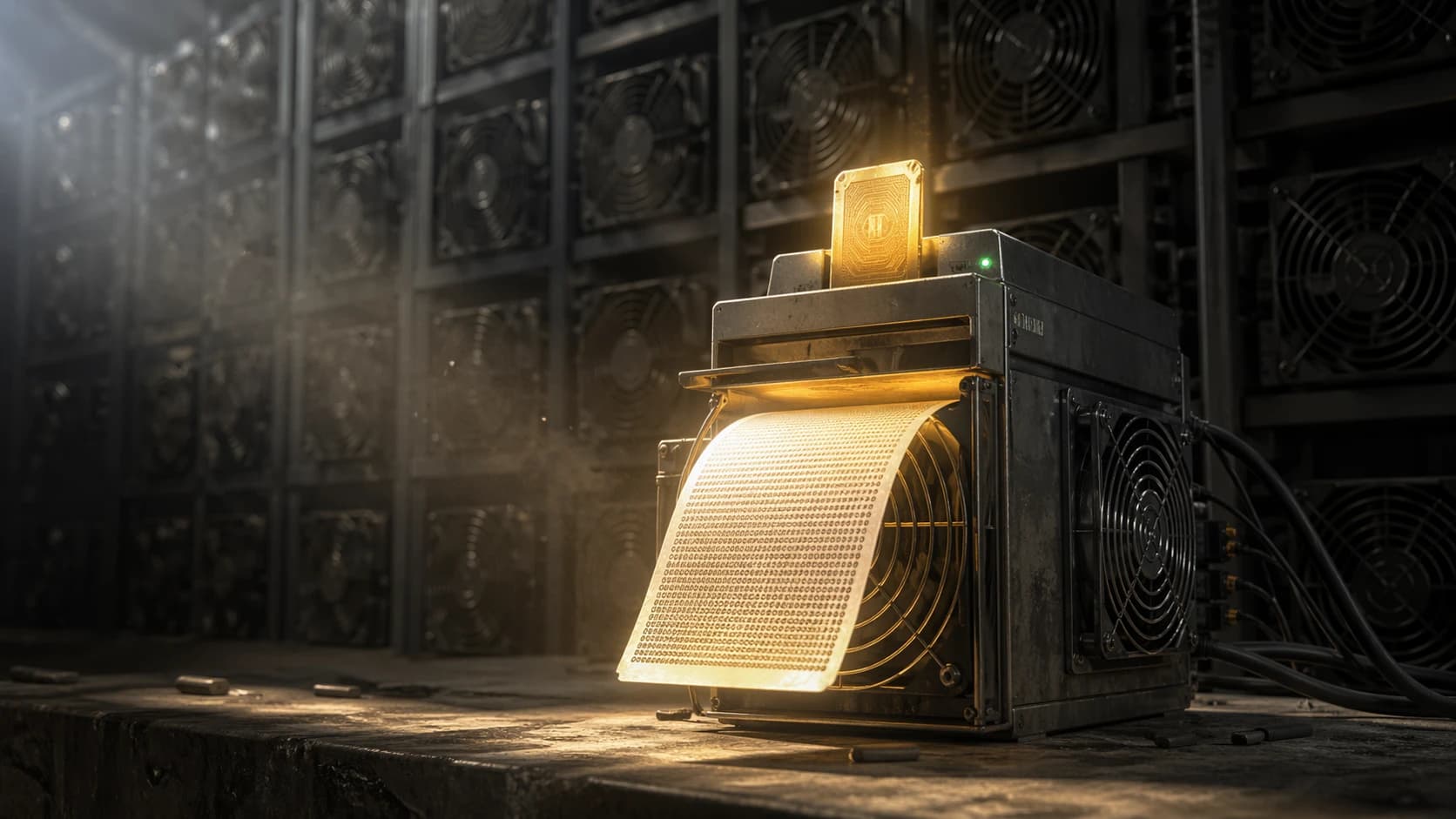
A customer of NiceHash EasyMining spent around $750 on rented hashpower and walked away with the full reward for Bitcoin block 945711, an outcome worth roughly $235,000 at the time of writing. The win was flagged by Cointelegraph on April 23, 2026, citing NiceHash's own marketplace data for the block.
Bitcoin mining at this scale is overwhelmingly a pool game. A single modern ASIC has a vanishingly small chance of finding any given block, so most miners pool hashpower and split the reward proportionally. Solo mining a full block from a retail-sized budget is a lottery, and this is what one of those lottery tickets looks like when it lands.
How a $750 Ticket Bought a Whole Block
NiceHash EasyMining lets customers buy a fixed amount of hashrate for a fixed window and point it at a solo mining configuration. The buyer does not run hardware. They pay for a slice of NiceHash's marketplace capacity, and any block found inside their window belongs to them in full.
On paper, the expected value tracks the pool payout for the same hashrate. In practice, the variance is stark. Most buyers see zero blocks and collect nothing beyond transaction fees the configuration may route to them. A small number hit the jackpot. With BTC trading at $77,415 as of April 23, 2026, the current 3.125 BTC subsidy is worth roughly $242,000 before fees, which lines up with the reported $235,000 payout once the specific block's fees and exchange rate at the time of mining are factored in.
Block 945711 landed inside one customer's window. That is the entire story of the outcome.
Why This Keeps Happening on EasyMining
NiceHash has publicised similar wins before, and the reason is structural rather than magical. EasyMining slots aggregate real hashpower from NiceHash's wider marketplace, so a buyer temporarily controls a chunk of network hashrate that would otherwise be mining for a pool. If the slot is sized aggressively and Bitcoin's difficulty or fee market wobbles in the buyer's favour, the odds tilt from "effectively zero" to something closer to a scratchcard with a known expected return.
It is still a scratchcard. For every user who posts a $235,000 payout screenshot, many more spent a similar amount and got back only the transaction fees from whichever blocks they did not find. NiceHash benefits either way: the marketplace collects its cut regardless of who wins.
What the Numbers Actually Say
A few points are worth separating from the headline:
- The $235,000 figure covers the block subsidy plus transaction fees. Current Bitcoin block subsidy sits at 3.125 BTC following the 2024 halving, so the bulk of the payout is the subsidy, not a freak fee spike.
- The reported $750 cost is gross input, not net cost after the win. The buyer's actual profit depends on the exact product tier they bought and the BTC price when NiceHash settled the payout.
- BTC is down 0.9% over the last 24 hours at $77,415 as of April 23, 2026, with the Fear and Greed Index at 58 (Neutral). The market context did not drive this outcome. It was a probabilistic hit on a fixed product.
None of that makes the payout less real for the person who got it. It does mean the correct mental model is closer to poker than to an investment.
How to Read This if You Are Tempted
Solo mining via marketplaces is a legitimate product, but the expected return for any individual buyer is not "$235,000". Treat it the way traders treat a high-variance position: size the ticket so that losing it fully does not change your week, and do not confuse one published win with the base rate.
If the appeal is simply spending small amounts of Bitcoin without turning them into fiat, that is a different problem with different tools. Most users get more mileage from self-custody spending options or a stablecoin card setup than from rented hashpower.
Overview
A NiceHash EasyMining customer paid roughly $750 for rented hashpower and solo mined Bitcoin block 945711, collecting about $235,000 in subsidy and fees. The win is real, well-documented by NiceHash's own data, and structurally similar to previous EasyMining jackpots. It is a lottery outcome rather than a repeatable strategy, and the base rate for buyers of the same product remains far less exciting than the headline.