Every Stablecoin Swap Now Earns by Default
MetaMask announced on February 20, 2026 that stablecoin conversions inside the wallet now automatically route through yield-bearing paths. The practical result: any time a user converts crypto into USDC, USDT, or DAI, the output lands as an Aave aToken (aUSDC, aUSDT, or aDAI) that accrues lending yield immediately.
"MetaMask now helps you turn your stablecoins into MORE stablecoins," the official account posted, describing a feature that eliminates the manual step of depositing idle stablecoins into a lending protocol. As of the time of writing, Aave stablecoin lending rates sit in the 4-7% APY range depending on market demand, meaning a $10,000 USDC balance that previously sat idle could now generate $400 to $700 per year without a single extra tap.
The update applies to MetaMask Mobile, where the wallet's existing Stablecoin Earn infrastructure, launched in July 2025 through an Aave integration, already allowed manual deposits. The difference now is that the yield path is the default, not the exception.
Why Passive Yield Became the Wallet Battleground
The timing is deliberate. Stablecoin yield is the single most contested regulatory and product topic in crypto right now. The White House has held three meetings in recent weeks to hash out whether stablecoin issuers should be allowed to pass yield to holders, with banks pushing back against a feature that would directly compete with savings accounts. The GENIUS Act stablecoin framework, which could codify yield rules, is advancing through Congress.
MetaMask's move sidesteps the issuer-level yield debate entirely. Instead of paying yield on its own mUSD stablecoin (which launched in September 2025 backed by US Treasury bills), the wallet routes user funds through Aave, a decentralized lending protocol where yield comes from borrower demand, not from the issuer. This puts MetaMask in a regulatory gray zone that is more defensible: the wallet is not paying interest, it is connecting users to a lending market.
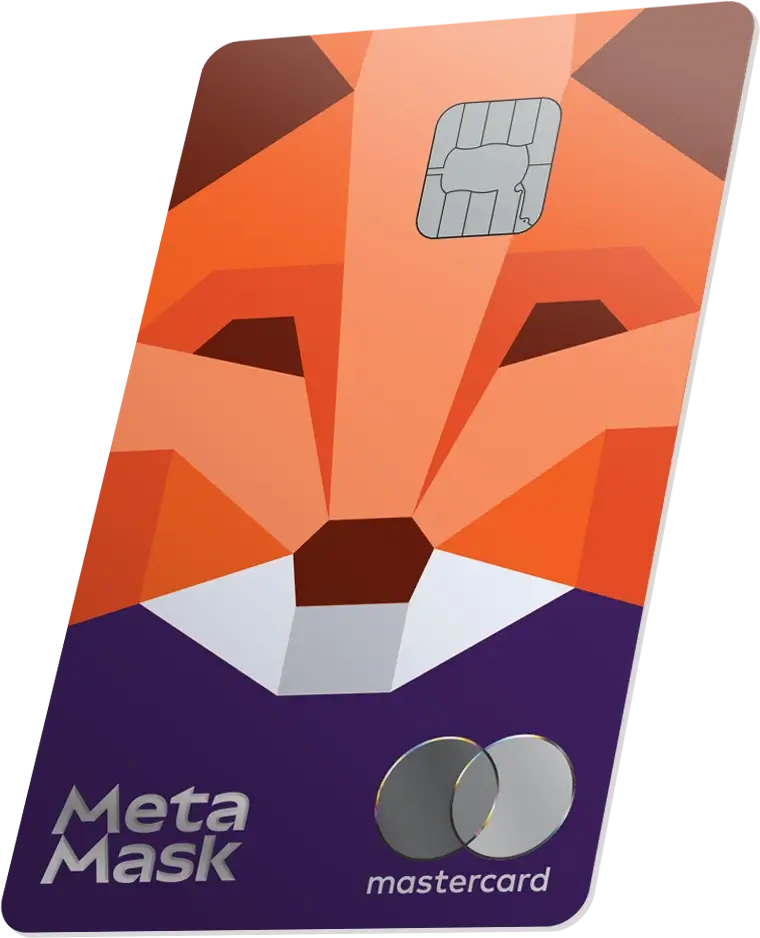
For context, MetaMask already supports mUSD, aUSDC, aBasUSDC (Base network), and amUSD as spendable assets on its self-custodial Mastercard. That means a user can now swap ETH to USDC, have it auto-convert to aUSDC earning yield, and then spend that yield-bearing token directly at any Mastercard merchant, all without leaving a single app.
How the Auto-Routing Works
The mechanics rely on MetaMask's existing swap aggregator and Aave integration:
- User initiates a swap from any token (ETH, WBTC, etc.) to USDC, USDT, or DAI
- MetaMask routes the swap through its aggregator as normal
- The output token is automatically deposited into Aave's lending pool
- User receives aTokens (aUSDC, aUSDT, aDAI) that accrue yield in real-time
- Withdrawal is one tap back to the base stablecoin at any time
MetaMask charges zero additional fees for this routing, the same policy that applied to manual Stablecoin Earn deposits since launch. Standard on-chain gas fees still apply for the Aave deposit transaction, which on Linea L2 (MetaMask's preferred network) costs fractions of a cent.
The supported stablecoins are USDC, USDT, and DAI, covering the three largest dollar-pegged tokens by market cap. Users who prefer to hold base stablecoins without yield can opt out in settings, but the default is now yield-on.
What This Means for MetaMask Card Holders
The integration is particularly relevant for MetaMask Card users. Both the Virtual Card (1% cashback, free) and Metal Card (3% cashback, waitlist) already accept aUSDC and aBasUSDC as spendable assets.
The math stacks up quickly. Consider a user holding $5,000 in USDC on their MetaMask Card:
- Before auto-yield: $5,000 sits idle, earns nothing, spends at face value with 1% cashback
- After auto-yield: $5,000 as aUSDC earns roughly 5% APY ($250/year), still spends at face value with 1% cashback
- Combined effective return: The 1% cashback on spending plus 5% yield on idle balance creates a dual-earning loop that no traditional bank debit card matches
For Metal Card holders at 3% cashback, the combined return becomes even more aggressive. A user spending $2,000/month while holding $10,000 idle would earn roughly $500/year in yield plus $720/year in cashback, a 12.2% effective return on the idle balance.
This is the kind of composability that self-custody cards were built for: your money earns yield until the exact moment you swipe, then converts to fiat at the point of sale.
The Competitive Landscape Just Shifted
MetaMask is not the first wallet to offer stablecoin yield, but it may be the first to make it the default behavior on swaps. That distinction matters.
Coinbase offers USDC rewards through its own platform but requires users to opt in. ether.fi built its entire card proposition around DeFi yield but targets a more sophisticated audience. Nexo pays interest on deposits but operates as a centralized lender with different risk profiles.
MetaMask's advantage is distribution. With over 30 million monthly active users and a self-custodial architecture, the auto-yield feature reaches a massive user base that includes many people who would never manually deposit into Aave. By making yield the default, MetaMask turns passive holders into active DeFi participants without requiring them to understand what Aave is or how lending pools work.
The risk, as with all DeFi lending, is smart contract exposure. Aave V3 has been operational since March 2023 without a major exploit, and its code has undergone multiple audits, but protocol risk is never zero. Users should understand that aTokens represent a claim on a lending pool, not a guaranteed bank deposit. There is no FDIC insurance, no FSCS protection, and no recourse if the protocol suffers an exploit.
Overview
MetaMask's decision to make yield-bearing stablecoins the default output for every conversion is a quiet but significant shift in how wallets handle idle capital. Instead of asking users to actively seek yield, the wallet now assumes that dollars should be working. Combined with the MetaMask Card's ability to spend aTokens directly, this creates a seamless loop where stablecoins earn lending yield right up until the moment of purchase. The feature carries DeFi smart contract risk that traditional savings accounts do not, but for users who are already comfortable holding stablecoins in a self-custodial wallet, the risk-reward calculus just tilted heavily toward keeping auto-yield enabled. With the White House still debating whether stablecoin issuers should be allowed to pay yield at all, MetaMask found a way to deliver it today through existing DeFi infrastructure.