Mastercard Wants Someone to Wire DeFi Into Its Core Payments Stack
Mastercard has posted a job listing for a "Director Crypto Flows, Product Management" based at its Purchase, New York headquarters, with a salary range of $179,000 to $305,000. The role sits inside the Blockchain and Digital Assets group, which is part of Mastercard's global Core Payments division, not an experimental lab or innovation sandbox. The listing was first flagged by crypto journalist Frank Chaparro and amplified by Wu Blockchain on February 25, 2026.
The job description is unusually specific. The new director will lead product management for "on- and off-ramping between crypto / stablecoins and fiat," including card issuance, send functionality, acceptance capabilities, and what Mastercard calls "emerging payment flows within the blockchain ecosystem." The listing explicitly names stablecoins, tokenized assets, and DeFi as the market segments the hire will analyze and build for.
This is not Mastercard's first crypto role. The company already lists a separate Director of Digital Assets and Crypto Product Management focused on broader digital asset strategy. The new "Crypto Flows" position is narrower: it is about the plumbing that moves value between DeFi protocols and the Mastercard network.
Why a Job Listing Tells You More Than a Press Release
Corporate hiring signals are underrated intelligence. A press release says what a company wants the market to believe. A job listing says what a company is actually spending money to build. When Mastercard allocates a $179K-$305K headcount to crypto on-ramping inside its core payments team, it means the business case has already cleared internal review.
The role's placement matters. Mastercard's Blockchain and Digital Assets group reports through Core Payments, the same division that manages the rails processing over $9 trillion in annual gross dollar volume as of the company's most recent earnings. Crypto Flows is not a side project. It is being treated as a natural extension of the company's payment infrastructure.
The timing aligns with Mastercard's broader 2026 strategy. In its Q4 2025 earnings call, the company highlighted stablecoins and agentic commerce as two of its top strategic priorities. CEO Michael Miebach told investors that Mastercard expects "greater collaboration between ecosystem players to make it easier and safer for people to pay and move money with stablecoins." The Crypto Flows director will be the person translating that vision into product requirements.
What "Crypto Flows" Actually Means for Card Users
The job listing breaks down Crypto Flows into four product categories: card on-ramping, send functionality, acceptance, and emerging payment flows. Each one maps to a real friction point that crypto card users deal with today.
Card on-ramping is the process of loading crypto or stablecoins onto a card that can be spent at traditional merchants. Currently, this involves a conversion step where crypto is sold for fiat at the moment of purchase, often with a spread that issuers do not always disclose transparently. If Mastercard builds native on-ramping rails, it could standardize how that conversion happens, potentially reducing the hidden fees that sit between a user's wallet balance and their actual spending power.
Stablecoin acceptance is the more ambitious play. Mastercard has already partnered with Circle to enable USDC and EURC settlement across Eastern Europe, the Middle East, and Africa through partners like NEO PAY and INFINIOS. The Crypto Flows director would scale this from pilot programs to production-grade settlement, where merchants could receive stablecoin payments without knowing or caring that blockchain was involved.
DeFi integration is the wildcard. The listing asks the hire to "conduct market analysis to identify emerging segments including stablecoins, tokenized assets, and DeFi." For a payment network, DeFi integration could mean anything from letting cardholders earn yield on idle balances through lending protocols to settling cross-border merchant payments through on-chain liquidity pools instead of correspondent banking.
Twelve Crypto Cards Already Run on Mastercard Rails
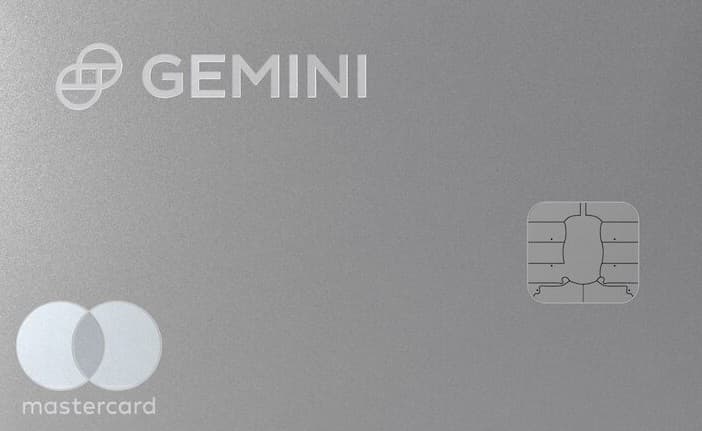
The hire is not building from zero. Mastercard's existing crypto card ecosystem is already extensive. At least twelve card programs tracked by SpendNode run on the Mastercard network: 1inch, Binance (Brazil), Bitget Wallet Card, Bleap, COCA, Gemini (both the standard and Solana Edition), Gnosis Pay, Nexo, OKX, Ready (both Lite and Metal), and Uphold.
Each of these issuers currently handles the crypto-to-fiat conversion independently, often through third-party processors like Immersve, Kulipa, or Baanx. If the Crypto Flows team builds standardized rails, issuers could plug into Mastercard's native conversion layer instead. That would mean lower integration costs for issuers and, ideally, tighter spreads for cardholders.
For self-custody card users in particular, this could be significant. Cards like Gnosis Pay and Ready already let users spend directly from on-chain wallets. If Mastercard adds DeFi-aware settlement, a user could theoretically earn yield on a lending protocol until the moment of purchase, with the payment network handling the withdrawal and conversion in real time.
The Cautious Counterpoint
Mastercard is not going all in on DeFi payments tomorrow. In a January 2026 interview with CoinDesk, executives from both Mastercard and Visa said they see "little current product-market fit for stablecoins in everyday consumer payments in developed markets." The company views most crypto activity today as trading and speculation, not spending.
The Crypto Flows role reflects that tension. It is a product management position, not a moonshot research role. The hire will need to find product-market fit for crypto on-ramping within Mastercard's existing merchant and issuer relationships. The fact that it reports through Core Payments, not a standalone crypto division, means it will be evaluated on the same revenue and growth metrics as every other payments product.
The salary range also tells a story. At $179K-$305K base, this is a senior individual contributor or team lead role, not a C-suite appointment. Mastercard is investing real money, but it is not betting the company. It is building a team incrementally, starting with someone who can turn stablecoin settlement pilots into scalable products.
What Comes Next for Crypto Card Infrastructure
Mastercard is not alone. Visa's on-chain stablecoin settlement for issuers hit an estimated $3.5 billion annual run-rate by late 2025. Both networks are racing to own the middleware layer between DeFi and traditional commerce.
For crypto card users, the competition is good news. When Visa and Mastercard compete on crypto infrastructure, issuers get better tools, conversion costs fall, and the gap between holding crypto and spending it narrows. The current generation of crypto cards still involves too many intermediaries, each taking a cut. Native network-level integration could compress that stack.
The Crypto Flows director hire signals that Mastercard's crypto strategy has moved from "we are exploring" to "we are building product." The next milestone to watch is whether the role leads to a public product announcement at Mastercard's annual Money20/20 presence in October, or whether the first tangible output shows up in updated issuer APIs before that.
Overview
Mastercard posted a Director-level position for "Crypto Flows, Product Management" inside its Core Payments division, with a $179K-$305K salary. The role focuses on crypto-to-fiat on-ramping, stablecoin settlement, and DeFi integration for the payment network that already supports twelve crypto card programs. While Mastercard executives have been cautious about stablecoin adoption in everyday payments, placing this hire inside Core Payments rather than a research lab signals the company is moving from exploration to product development. For crypto card users, native Mastercard crypto rails could eventually mean lower conversion spreads and tighter integration between DeFi yields and everyday spending.
Recommended Reading
- The Ethereum Foundation Finally Stakes Its Treasury, Starting With 2,016 ETH and a Plan to Deploy 70,000
- MetaMask Now Auto-Routes Stablecoin Swaps Into Yield-Bearing Tokens So Your Idle Dollars Never Stop Earning
- BNP Paribas Puts a French Money Market Fund on Ethereum, Signaling That Europe's Largest Bank Is Done With Private Chains