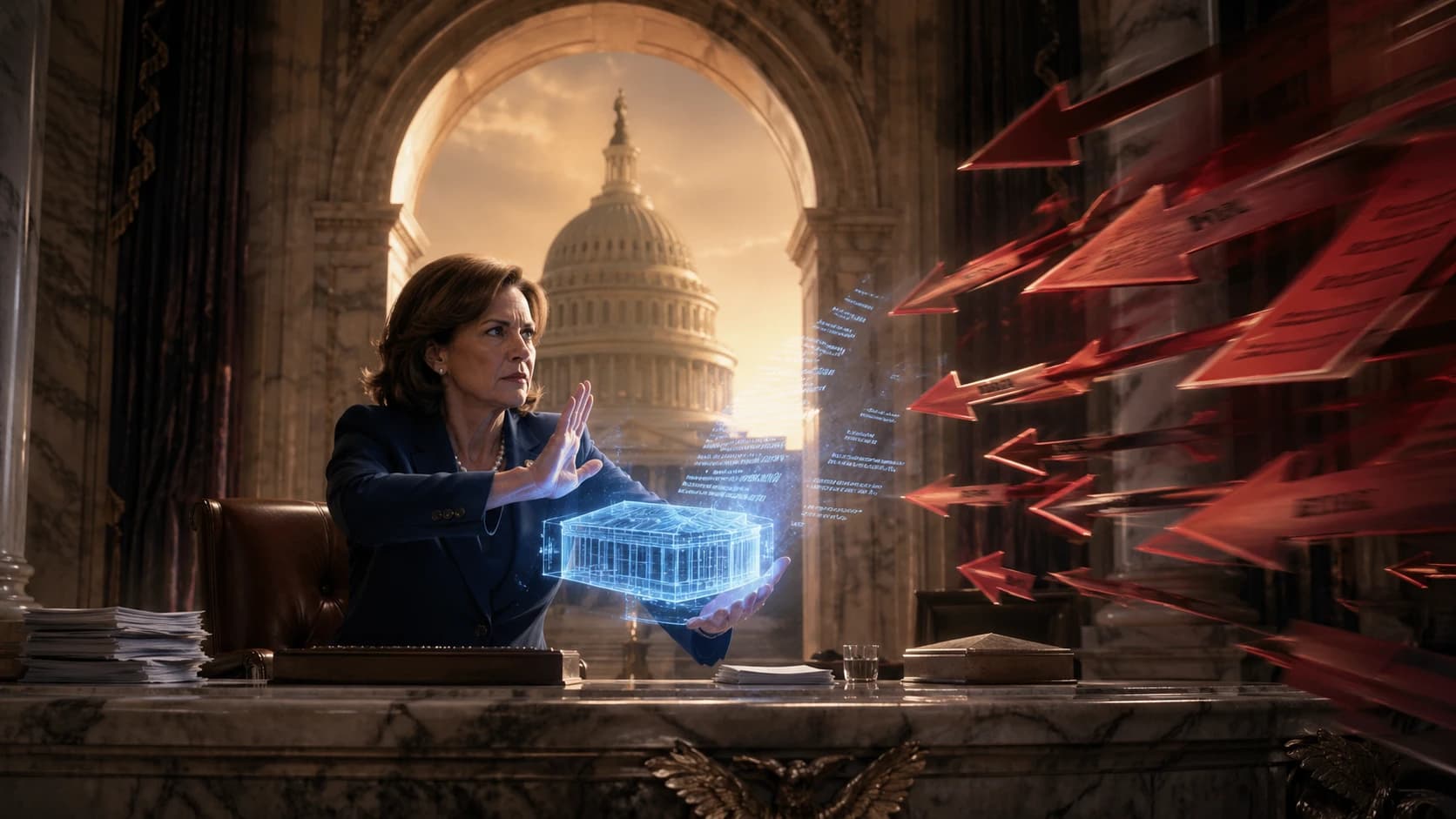
Senator Cynthia Lummis went on the record on April 28, 2026 to defend the CLARITY Act's developer protection clause, the part of the bill that limits when software developers can be charged as money transmitters for writing non-custodial crypto code. Cointelegraph carried her remarks the same day, citing concerns from critics that the clause is too broad and could shield bad actors from prosecution.
Lummis argued the opposite: that the language is narrower than opponents portray, and that without it, open-source developers face the same legal exposure that produced the Tornado Cash and Samourai Wallet prosecutions.
The clause draws a line between custodial and non-custodial code
The CLARITY Act distinguishes between people who handle customer funds and people who write code that customers use to handle their own funds. Under the bill, a developer who publishes a non-custodial wallet, a self-hosted swap router, or a smart contract front end is not automatically classified as a money transmitter. Custodial businesses, exchanges, and intermediaries that take possession of user assets still are.
Lummis's pushback is specifically against the framing that the clause creates a blanket immunity. It does not. A developer who custodies funds, runs an exchange, or actively launders proceeds is still exposed under existing law. The clause only addresses the threshold question of whether writing and shipping software, by itself, makes someone a financial institution.
The blurry line that opponents are pointing to
The opposing argument, raised by some Democratic offices and consumer-protection groups in the past two weeks, is that the line between "non-custodial software" and "facilitating financial activity" is blurrier than the bill admits. Critics point to mixers and privacy tools where the developer wrote the contracts but did not directly hold funds, and ask whether those would now sit beyond the reach of money-transmission statutes.
Senator Thom Tillis raised a parallel concern earlier in the week, threatening to withhold his vote on the broader Senate crypto package unless ethics language is added. The Lummis defense addresses a separate clause but lands in the same political environment: a bill close to passage with multiple senators trying to extract last-minute changes.
The Tornado Cash and Samourai backdrop
Lummis's argument leans heavily on the prosecutions of Tornado Cash developer Roman Storm and the Samourai Wallet team. In both cases, federal prosecutors charged developers under money-transmission statutes for software they wrote, even though the developers never custodied user funds. Acting Attorney General Todd Blanche addressed both cases at Bitcoin 2026 last week, signaling the DOJ is willing to revisit how those statutes apply to non-custodial software.
The Storm defense team has been pushing back on DOJ signals about case elevation, and the broader Tornado Cash and Samourai conversation has become the policy backdrop for the developer protection clause. Lummis is arguing that codifying a clearer line in statute is better than leaving it to prosecutorial discretion.
The clause is under active negotiation, not settled
The CLARITY Act has been tracking toward a Senate vote in May, with Mike Novogratz predicting passage in May and signature in June. The developer protection language has been one of the bill's selling points for the crypto industry, and is also one of its most-contested clauses among Democrats and law-enforcement-adjacent voices.
Lummis going public on April 28 suggests the clause is under active negotiation, not settled. Her message to colleagues: tightening the language to address bad-actor concerns is fine, but gutting the clause would put non-custodial developers back under the same legal cloud that produced two ongoing prosecutions.
Overview
Senator Lummis publicly defended the CLARITY Act's developer protection clause on April 28, arguing it is narrower than critics claim and only shields non-custodial software developers from money-transmission classification. The defense lands during active Senate negotiations and against the backdrop of the Tornado Cash and Samourai prosecutions. The clause's final shape is now one of the last open variables before the May vote.