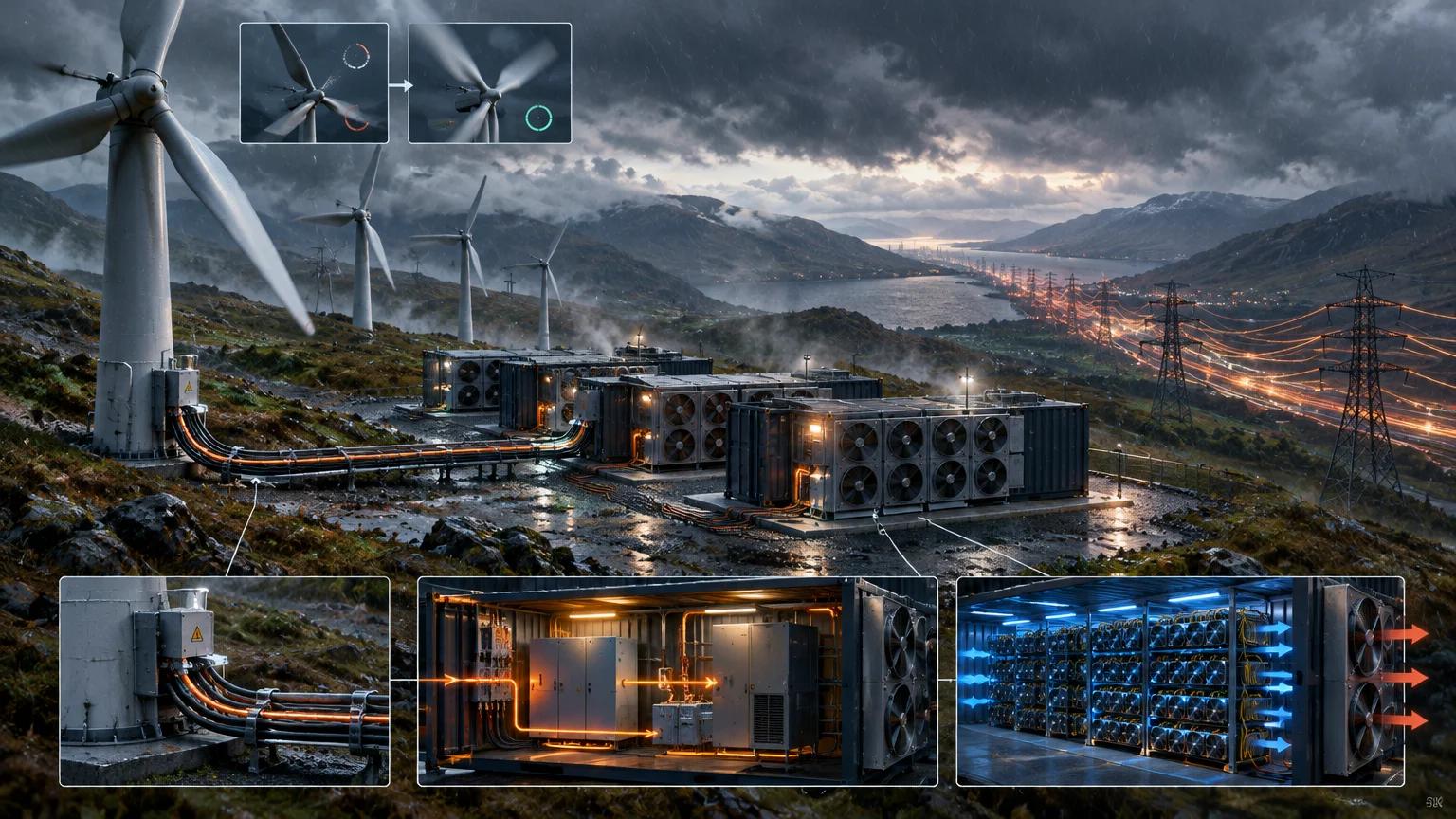
Intercontinental Exchange, the parent company of the New York Stock Exchange, is considering becoming a validator on Solana, according to a WatcherGuru post published November 16 at 13:50 UTC. No validator launch has been confirmed. The potential role would put ICE inside the infrastructure that processes blockchain transactions.
For Solana, the institutional connection would extend into network operations. For ICE, running a validator could provide direct experience with a public blockchain alongside its previously announced work on tokenized securities and settlement. Operational familiarity is a plausible benefit, though ICE has not stated a purpose for the reported proposal or announced an integration with its securities project.
A validator role carries operating responsibilities
Solana's documentation describes validators as participants that process transactions and run the network. SOL holders can delegate tokens to validators, and the amount of delegated stake affects how often a validator is selected to write transactions to the ledger.
The operating business has costs. Validators maintain their systems and can collect a commission from staking rewards. Solana's staking guidance also identifies validator uptime and commission among the factors affecting returns, alongside network inflation and the total amount staked.
These mechanics give the reported ICE interest a practical meaning beyond a general endorsement of blockchain technology. Running a validator entails maintaining the systems that support its participation, with uptime relevant both to the operator's work and to the returns of those who delegate tokens.
Delegated stake would also matter when assessing the scale of any eventual entry. A recognizable operator's name would draw attention, but the network implications would depend on its actual participation. The central development in the report is ICE's possible decision to operate infrastructure. Any measurable contribution to Solana's capacity would depend on how that participation develops.
For users comparing staking-related products, the distinction between an operator and a token holder is useful. Delegating SOL and maintaining the validator that processes transactions are different roles within the same system.
ICE already has a tokenized-market project
ICE's January 19 announcement provides concrete background. The NYSE said it was developing a platform for trading and onchain settlement of tokenized securities, for which it would seek regulatory approvals.
The proposed design included 24/7 operations, instant settlement, dollar-sized orders and stablecoin-based funding. It combined the NYSE's Pillar matching engine with blockchain-based post-trade systems and the capability to support multiple chains for settlement and custody.
The announcement also described preparations for round-the-clock clearing and potential use of tokenized collateral. ICE said it was working with BNY and Citi on tokenized deposits across its clearinghouses, including transfers outside traditional banking hours.
That earlier project helps explain the commercial relevance of blockchain operations to ICE. Matching a trade and settling its assets are separate functions. Its announced design already placed blockchain technology within the post-trade process, where transactions must become completed transfers.
A Solana validator could give ICE experience with one public network within that broader area of work. The January release described a multichain capability; it did not name Solana as the exclusive settlement network.
Infrastructure participation and product access are separate decisions
The immediate question for Solana users is whether an eventual validator would change anything they can use. On its own, operating a validator would add an operator to the network. Customer access to securities or settlement services would require a separate product decision.
ICE's identity brings the NYSE into the headline, which could lead readers to interpret the report as a route to trading exchange-listed shares through a Solana wallet. The reported validator consideration concerns network participation; the earlier NYSE announcement describes a securities venue and its post-trade design. Those activities involve different responsibilities, even when the same company pursues both.
A validator could be useful to an institution even before it launches a customer service on that chain. Operating infrastructure provides a way to assess the work involved in keeping systems available and participating in transaction processing. Those lessons could inform later decisions about blockchain-based services, giving the operating experience value while product plans remain under development.
For Solana, the potential benefit is similarly specific. An ICE-operated validator would place an established financial-market operator among network participants. Its contribution would be assessed through operating results and delegated stake. The company's name alone would say little about the validator's performance.
The practical development to follow is whether that reported interest becomes an operating presence, and what role it then takes within the network.
Overview
WatcherGuru reports that ICE is considering becoming a Solana validator. The proposal would involve participation in transaction-processing infrastructure, complementing a company strategy that already includes tokenized trading and blockchain-based settlement.
ICE's January announcement supplies the substantive context: a proposed securities platform with continuous trading, instant settlement and support for multiple chains. The November 16 report adds possible Solana validator participation to that picture. ICE remains at the consideration stage in the reported development.