The European Securities and Markets Authority said on September 30 that European regulators need more powers to enforce crypto rules, including the ability to order companies to freeze assets they suspect are linked to crime. Reuters reported the proposals, which form part of ESMA's response to the ongoing review of the Markets in Crypto-Assets regulation (MiCA).
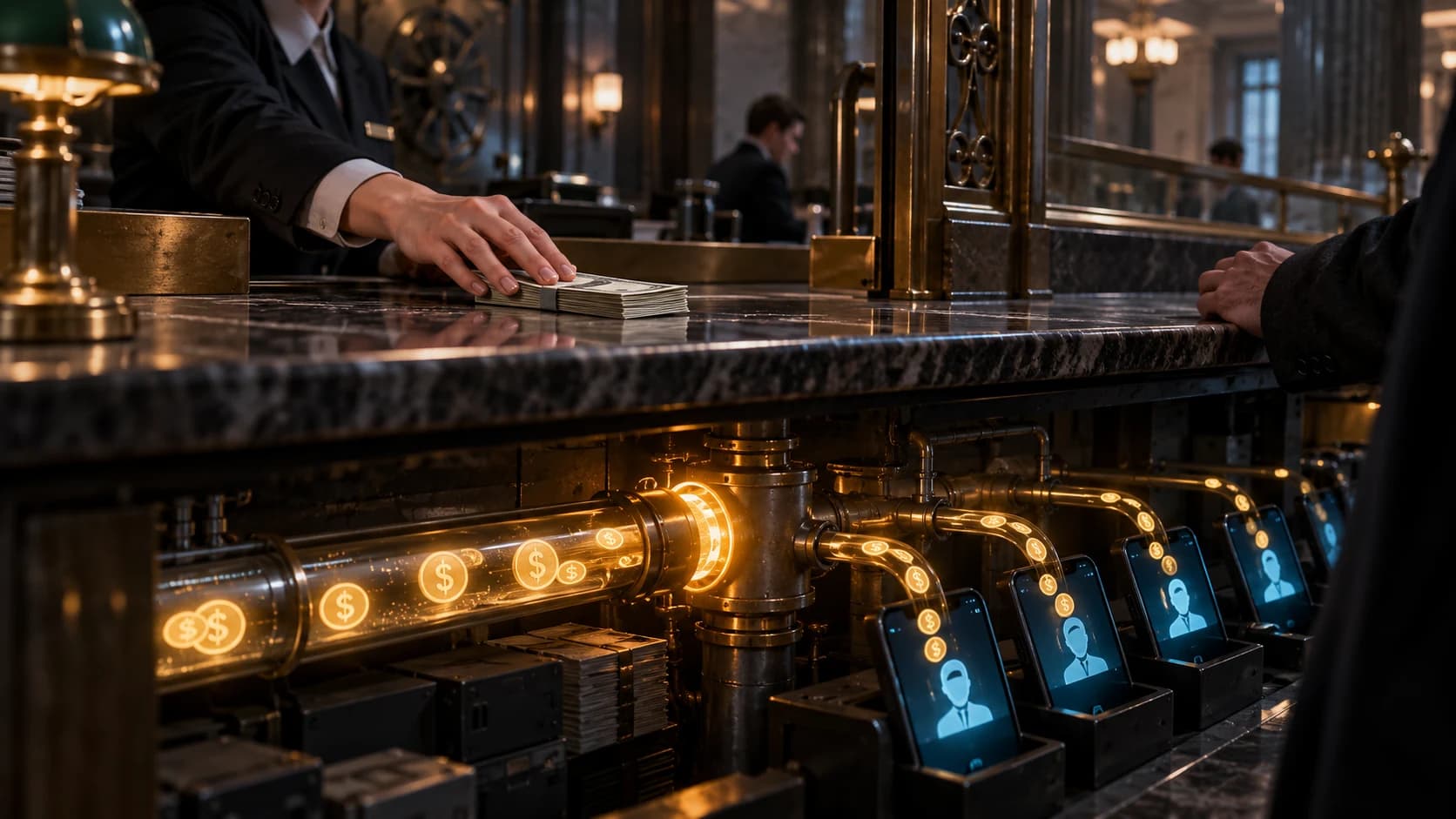
The headline ask is speed. ESMA wants itself and national regulators to be able to make crypto firms freeze assets in cases of financial crime, money laundering, or terrorist financing. Its stated reason is blunt: under current procedures, by the time a freeze request on suspicious assets clears the process, the funds have usually already moved and disappeared. On-chain, that gap between suspicion and action is measured in minutes, not the days or weeks that legal channels can take.
The specific powers on the table
Beyond asset freezes, ESMA set out several other enforcement tools it wants regulators to hold.
National regulators would get the power to take down websites run by scams or by crypto companies operating without authorization. That targets the front door most retail victims walk through, rather than chasing funds after the fact.
ESMA also proposed banning certain misleading marketing techniques and writing rules for third-party promotion, the affiliate and influencer channels that push crypto products to new users. And it wants crypto companies required to give customers full cost information, a disclosure standard that would force providers to show the real price of using a product rather than a headline rate.
That last point lands close to home for anyone comparing crypto cards. The advertised number on a card is rarely the full cost. Network spreads of roughly 0.5 to 0.9 percent, a conversion margin baked into the exchange rate at the point of sale, and on-chain top-up fees all sit underneath the sticker rate. A rule forcing full cost disclosure would make those layers visible by law instead of leaving them for readers to dig out.
The timing tracks the MiCA review
The timing tracks the MiCA review. MiCA set the baseline rules for crypto-asset service providers across the bloc, but a regulation is only as strong as the enforcement behind it. ESMA's response reads as an argument that the current toolkit does not match how fast the assets it is meant to police actually move.
The freeze power is the clearest example. Traditional enforcement assumes assets sit still long enough for a legal order to catch up. Crypto assets do not. A request that takes a week to authorize is a request against funds that bridged across chains and through mixers days earlier. ESMA is asking for a mechanism that can act on reasonable suspicion before the trail goes cold.
Website takedown powers follow similar logic. Unauthorized operators and outright scams can stand up a convincing site in hours. Giving national regulators a direct removal lever is an attempt to close storefronts at the speed they open.
Potential effects on users and providers
These are proposals, not enacted rules. They feed into the MiCA review rather than taking effect on their own, and the final shape depends on how EU legislators act on them. For now this is ESMA stating what it believes it needs.
If adopted, the freeze and takedown powers would mostly affect bad actors and the firms that touch their flows, raising the compliance bar for every authorized provider operating in the EU. The marketing and disclosure rules would reach further. A ban on misleading promotion and a full-cost disclosure requirement would change how products get advertised to European users, including the affiliate-driven funnels that a lot of crypto onboarding runs through.
For the end user, the disclosure piece is the one worth watching. Mandatory full-cost reporting would put the hidden layers of a product's pricing on the page by default. That is the same information careful comparison already tries to surface; a rule would make it standard rather than optional.
The proposals now sit with the MiCA review process. Any binding change would run through EU legislators before it reached a single provider or customer.
Overview
ESMA, the EU's markets watchdog, told the MiCA review on September 30 that regulators need stronger enforcement powers over crypto. The headline requests: authority to order firms to freeze suspect assets before they move, powers for national regulators to pull scam and unauthorized-operator websites, a ban on misleading marketing with rules for third-party promotion, and a requirement that firms disclose full cost information to customers. The freeze ask is driven by speed, since current procedures move too slowly to catch assets that have already left. These are proposals feeding the MiCA review, not enacted law.