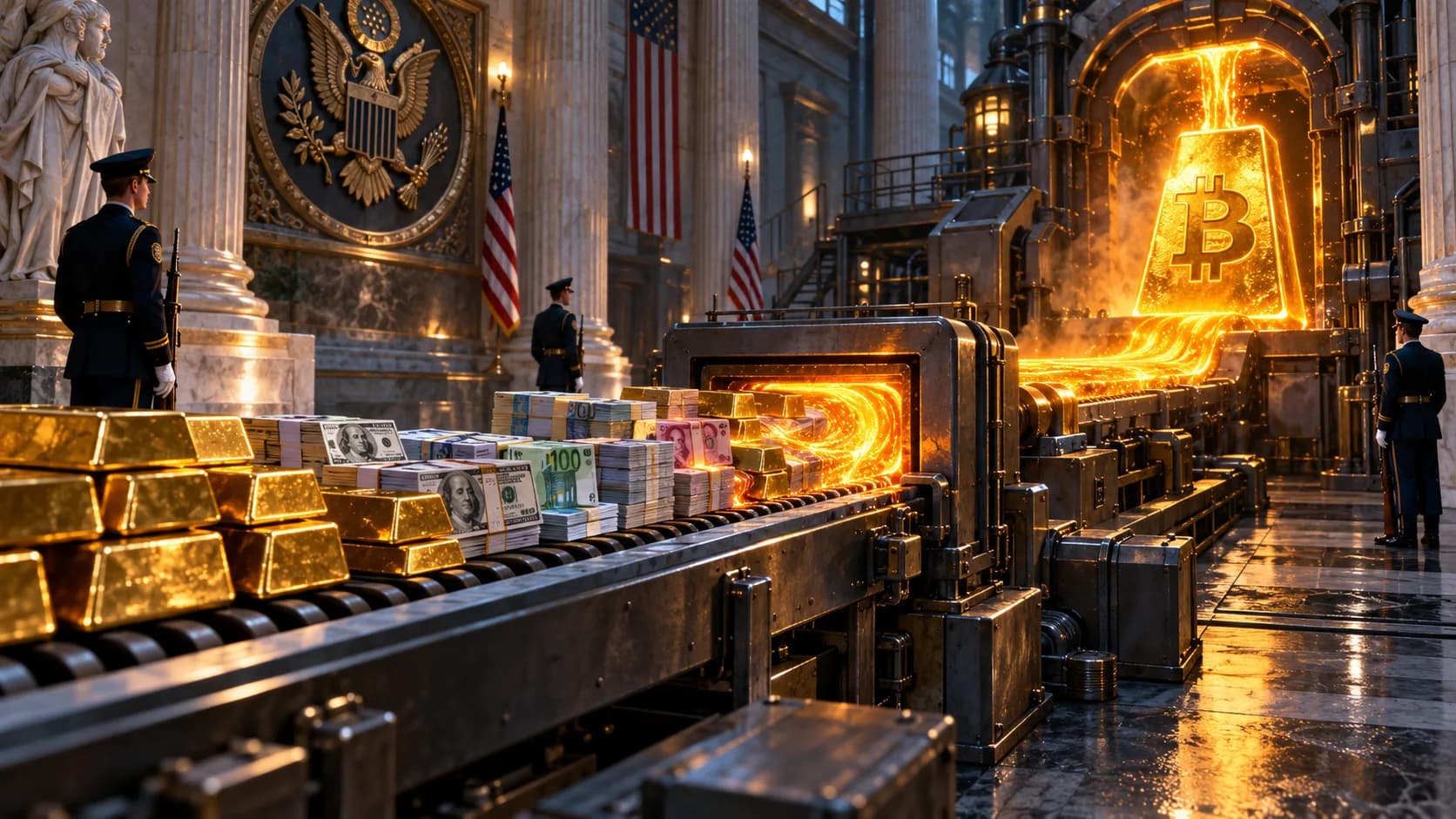
Traders betting against crypto were handed one of the worst single days in the market's history. Over the 24 hours ending early on August 20, 2026, short liquidations reached $1.74 billion, the second-largest such figure ever recorded, according to data flagged by analyst Coin Bureau. The wipeout coincided with a broad rally that pushed Ether up 17.8% and dragged nearly every major asset higher.
A short liquidation happens when a trader who borrowed to bet on falling prices is forced out of that position as prices climb. The exchange closes the trade automatically to cover the loan, and those forced buy-backs add fuel to the very rally that triggered them. Stack enough of them together and you get a squeeze, where each liquidation pushes the price higher and knocks out the next short in line.
The numbers behind the squeeze
The move was led by Ether, which climbed 17.8% in 24 hours to $2,250 as of August 20, 2026, and is up 19.4% over the week. Bitcoin rose 7.5% to $69,117 and reclaimed ground it had ceded during the summer's grind. Solana added 9.8% to $84.52, and XRP gained 9.4% to $1.09. Gate.io's own market feed put Ether up 18.2% at $2,622 on its ticker, a spread from the $2,250 CoinMarketCap reading that reflects how fast quotes were moving and which snapshot you catch.
That $1.74 billion figure counts only the bearish side. When a market moves this quickly in one direction, the leverage that had been piling up against it gets flushed out in a matter of hours. Only one day in crypto's recorded history saw a larger short liquidation total.
The Fear and Greed Index sat at 54, a "Neutral" reading, which is telling. A near-vertical move in prices without the index tipping into "Extreme Greed" suggests the rally was driven more by forced covering than by fresh euphoric buying. That distinction matters for anyone reading the tape: squeezes can reverse as sharply as they arrive once the trapped shorts are gone.
Leverage cuts both ways
This is a mirror image of what leveraged traders saw earlier in the summer, when long liquidations dominated the headlines. Coin Bureau's data on today's flush is a reminder that the mechanics are symmetrical. A crowded short book is just as combustible as a crowded long book. The direction changes; the physics do not.
For the leveraged crowd, the lesson is the recurring one: a position sized for a calm market becomes a liability the moment volatility spikes. A 10x leveraged short needs only a 10% adverse move to be fully wiped, and Ether ran almost twice that in a day. Traders who set no stop and assumed the summer drift would continue were the raw material for the squeeze.
For spenders, not just traders
Most people using crypto to pay for things are not running leverage, and days like this are exactly why that separation is worth keeping. A card balance funded by a leveraged trading position can vanish overnight; a balance you actually hold cannot be liquidated by a price swing. If you rely on a card that draws from your spending wallet, a violent up-move is good news for your buying power, but the same volatility working the other way can shrink it just as fast.
The practical takeaway is to keep spending funds and speculative funds in separate buckets. Cards that let you spend from your own wallet put the balance under your control rather than a trading engine's, and stablecoin-denominated cards sidestep the price swings entirely by holding value in USDC or USDT rather than a volatile asset. Neither approach earns you the upside of a day like today, but neither exposes your grocery money to a margin call.
For those tracking the broader picture, this is another data point in a volatile August that has already delivered record-low Bitcoin volatility readings followed by exactly the kind of spike that low-volatility regimes tend to precede. The move also arrives with several assets, including Bitcoin's price action, still well off their highs, meaning a $69K print reads very differently depending on your cost basis.
Overview
A rapid reversal on August 20, 2026 produced $1.74 billion in crypto short liquidations, the second-largest total ever, as Ether jumped 17.8% to $2,250 and Bitcoin rose 7.5% to $69,117. The squeeze was mechanical: forced short covering amplified the rally rather than fresh buying, with the Fear and Greed Index still at a neutral 54. For traders, it is a lesson in symmetrical leverage risk. For everyone else, it is a case for keeping spending balances separate from leveraged bets, ideally in self-custody or stablecoin form. Figures cited are as of the time of writing and moved quickly during the session.