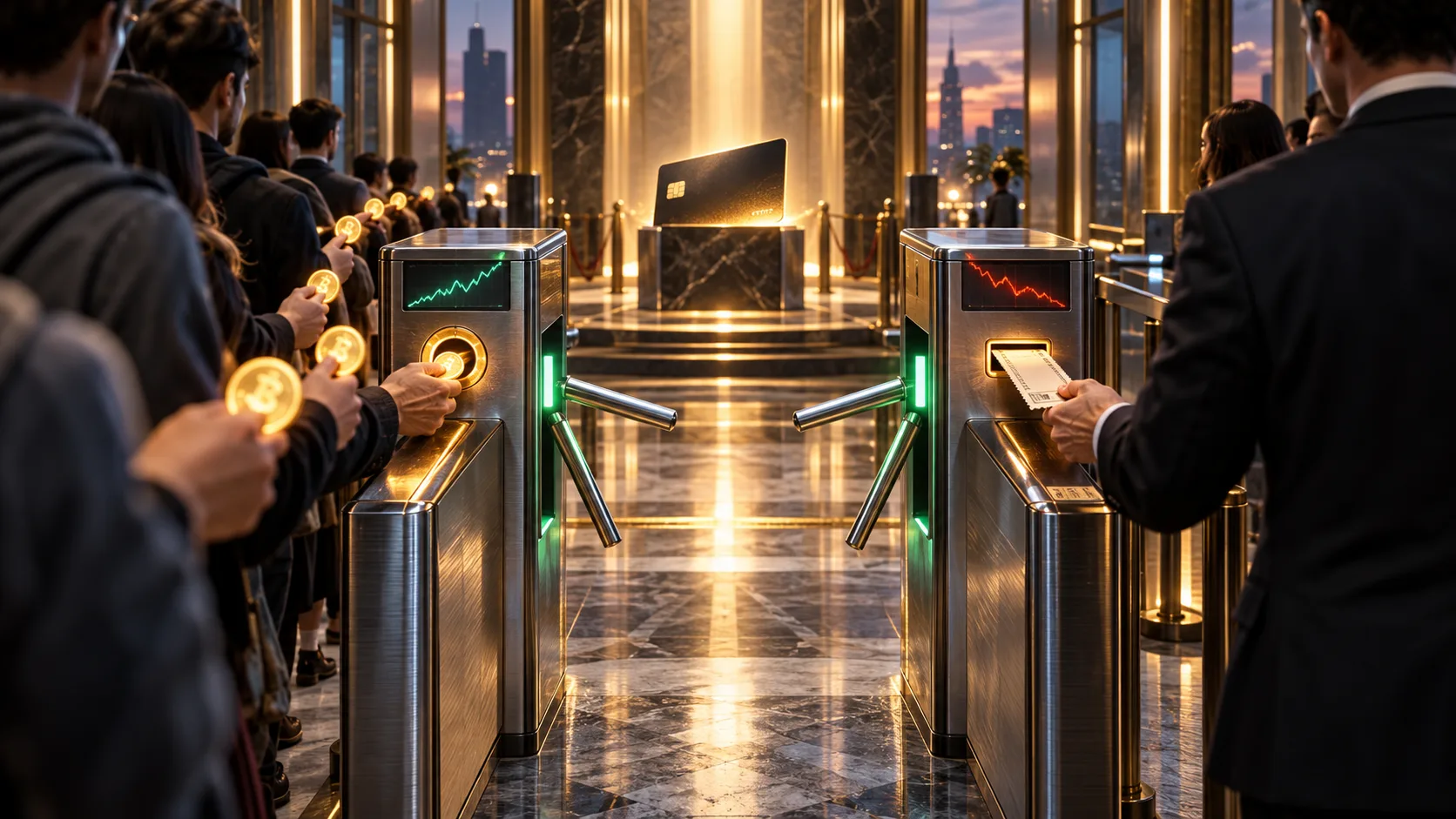
Coinbase said on October 19, 2026 that it is working with Thunes to connect its stablecoin infrastructure to local bank accounts and mobile wallets around the world. The disclosure came through the company's official X account, framed around a simple problem: a stablecoin can cross the globe in seconds, but it still has to land somewhere the recipient can use it.
Thunes operates a cross-border payment network that reaches bank accounts and mobile money wallets in a large number of markets. Pairing that reach with Coinbase's on-chain settlement is a bet on the last mile, the point where a digital dollar stops being a token and becomes money someone can pay rent with.
The claim, and what Coinbase did not say
The post states a working relationship and a goal. It does not give a launch date, a country rollout order, pricing, or which Coinbase products will route through the integration first. Readers should treat this as a stated partnership rather than a live feature. Coinbase has not published a product page or terms, so the specifics that matter, such as which corridors go live and what the conversion costs, remain open.
That gap is worth holding onto. Payment-rail announcements often precede availability by months, and the economics only become clear once settlement fees and local payout spreads are disclosed.
The part that touches cardholders
Crypto cards all share one dependency: the rail that turns a crypto balance into fiat a merchant accepts. For custodial setups like the Coinbase Card, that conversion and settlement step sits behind the scenes every time you swipe. Better payout infrastructure into local banks and wallets strengthens the same layer that card programs lean on for funding, refunds, and off-ramps.
The nearer-term use is payouts rather than card spending. Connecting stablecoin balances to local accounts helps with remittances, payroll, and cashing out, especially in markets where a card network is thin but mobile money is everywhere. For a worker paid in USDC who wants local currency in a mobile wallet, this is the piece that was missing.
A crowded last mile
Coinbase is not alone here. Visa moved stablecoin payouts into production with USDC, Mastercard opened its checkouts to stablecoins at scale, and Circle has been pushing USDC toward dozens of developing markets. Each is chasing the same gap between fast settlement and slow, fragmented local payout. The Thunes tie-up is Coinbase's version of that move, using an established remittance network instead of building local connections one country at a time.
One caution for anyone reading settlement speed as free. Moving value across chains and into local accounts can carry a conversion spread and network costs that are not always shown up front. A "stablecoins in seconds" headline is about speed, not price. The fee a user ultimately pays depends on the payout corridor and the local cash-out method, neither of which Coinbase has detailed.
Overview
Coinbase said it is working with Thunes to connect its stablecoin rails to local bank accounts and mobile wallets worldwide, with no timeline or country sequence disclosed. The immediate value is faster, broader payouts and off-ramps rather than a card feature, though it reinforces the settlement layer that custodial cards depend on. Judge it when corridors, launch dates, and costs are published. Until then, it is a direction, not a product.