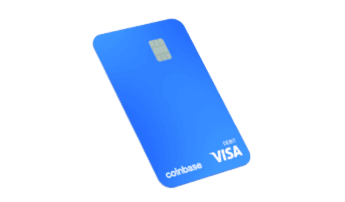
The landscape of crypto spending has officially shifted. For years, the industry was dominated by prepaid debit cards that required users to sell their assets before swiping. Today, the launch of the Coinbase One Card on the American Express network signals the definitive end of the "top-up" era and the beginning of the high-yield crypto credit meta.
By moving to a credit-first model, Coinbase is solving the primary friction point of crypto payments: the forced liquidation of appreciating assets. With the new 4% Bitcoin reward tier, the math for long-term stackers has changed significantly, turning daily expenses into a strategic accumulation tool.
Coinbase Rolls Out Premium Amex Credit Card for Whale Tier
Coinbase has officially rolled out its premium credit product, the Coinbase One Card (Amex), to its "Whale Tier" members. This isn't just another plastic debit card; it is a physical metal credit card that operates on the American Express network, specifically targeting high-net-worth users within the Coinbase One ecosystem.
The card replaces the friction of the legacy Coinbase Card with a true credit line backed by a user’s cryptocurrency collateral. Instead of selling BTC to pay for a coffee, users spend on credit and settle their balances monthly, allowing their underlying assets to remain invested.
The most significant update is the reward structure. While the base tier offers a respectable 2% back in Bitcoin, users with over $200,000 in Assets on Coinbase (AOC) are now eligible for a 4% BTC reward rate on all purchases. This move directly challenges premium traditional cards like the Amex Gold or Chase Sapphire Reserve, but with a payout that has the potential to appreciate over time.
Why 4% BTC Rewards on Amex Rails Changes the Game
The "Debit Era" of crypto cards was plagued by three main issues: taxable events on every swipe, high slippage during instant conversions, and the "opportunity cost" of selling crypto right before a pump. By shifting to an Amex-backed credit model, Coinbase addresses all three.
- Tax Efficiency: Spending on credit does not trigger a capital gains tax event. Only the eventual liquidation of crypto to pay off the credit statement is a taxable event, allowing for much more strategic tax planning.
- Network Prestige: The move to American Express brings "traditional" protections that were previously absent in the crypto space. This includes purchase protection, extended warranties, and robust travel insurance—features that high-spend users demand.
- The 4% Benchmark: In a world where 1-2% is the standard for traditional cash back, 4% in a "hard asset" like Bitcoin is a massive draw for the $200k+ portfolio segment.
Furthermore, with the recent legislative momentum from the CLARITY Act and MiCA 2.0, institutional confidence in regulated issuers like Coinbase is at an all-time high. Users are no longer just looking for "a way to spend crypto"; they are looking for a way to integrate crypto into a sophisticated wealth management strategy.
The $200K Barrier and the Spread Trap
The transition hasn't been entirely seamless. The "break" here isn't technical, but rather a shift in the User Accessibility Model.
The legacy debit card was egalitarian—anyone with $10 of USDC could use it. The new Amex credit model creates a "walled garden." To access the top-tier rewards, you need two things: a $49.99/year Coinbase One membership and a massive $200,000 asset balance.
For the average user, the "Spread Trap" still exists. While the card offers 0% FX fees, the conversion rates used when settling the credit balance with crypto are still subject to Coinbase's internal retail spreads. This means that while you earn 4% in rewards, you might "lose" 0.50% to 1% during the liquidation process if you aren't careful about how you pay your bill.
The Break-Even Math for High-Net-Worth Holders
If you are a high-net-worth individual holding significant assets on-exchange, the Coinbase One Amex is currently the most efficient "accumulation engine" on the market.
The Math of the 4% Tier:
- Annual Fee: $49.99 (Membership-linked).
- Break-even Point: You only need to spend $1,250 per year to cover the membership cost via rewards.
- The "Whale" Advantage: A user spending $50,000 annually on this card would earn $2,000 worth of Bitcoin. If BTC doubles, that "cashback" effectively becomes an 8% ROI on their annual spend.
However, for users below the $200k AOC threshold, the 2% base rate is less impressive. At 2%, the break-even spend jumps to $2,500/year. If you aren't an active trader who benefits from the other Coinbase One perks (like zero-fee trading), you might find better value in a self-custodial card like Gnosis Pay or a high-yield stablecoin card.
How This Relates to Crypto Cards
The Coinbase One Amex represents the "Regulated/Custodial" peak of the crypto card evolution. It stands in stark contrast to the "Self-Custodial" movement led by issuers like Gnosis Pay and Holyheld.
- Custodial (Coinbase): High rewards, traditional Amex protections, regulated security, but requires "Assets on Coinbase" and identity verification.
- Self-Custodial (Gnosis/Tria): Full control of keys, no exchange risk, but lower "traditional" perks and often higher gas-related costs for L1 settlements.
The industry is splitting into two lanes: Convenience/Rewards (Custodial) vs. Privacy/Sovereignty (Non-Custodial). Coinbase is clearly betting that the "Whale" segment values 4% BTC and Amex travel insurance more than they value holding their own private keys for their spending wallet.
Overview
The Coinbase One Amex is a powerful tool for the "crypto-rich" who want to bridge the gap between their digital wealth and the traditional financial world. By offering a 4% reward rate and Amex protections, Coinbase has set a new benchmark for what a "Premium" crypto card looks like in 2026.
Actionable Takeaway: If you have over $200k on Coinbase, this is a "no-brainer" for maximizing ROI on daily spend. If you are a smaller holder, the $49.99 fee and 2% rate mean you should compare this closely with no-fee debit alternatives before committing.