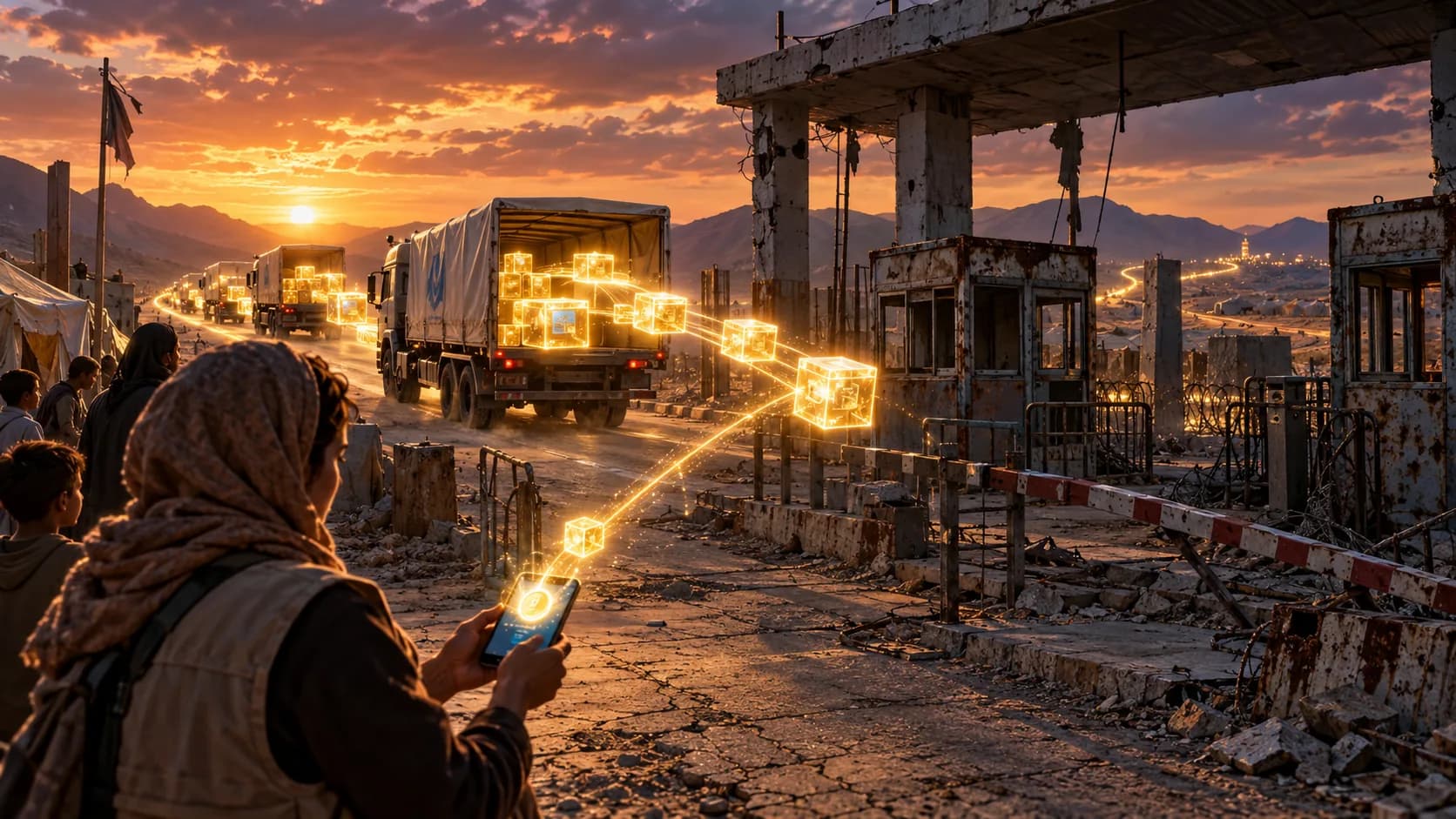
Circle Foundation is backing two of the largest United Nations agencies to test regulated stablecoin payments for humanitarian aid, according to a September 26, 2026 post from Cointelegraph. The pilot pairs the philanthropic arm of the USDC issuer with the UN Development Programme (UNDP) and the World Food Programme (WFP), with the stated goal of making aid delivery faster, cheaper, and more transparent.
Aid money that moves at internet speed
The core problem the pilot targets is settlement. Humanitarian transfers today typically route through correspondent banks, local intermediaries, and currency conversions before they reach a field office or a recipient. Each hop adds delay, cost, and a point where money can stall. A regulated dollar stablecoin collapses that chain. The value moves on a public blockchain in minutes, and the fee is a fraction of a wire transfer rather than a percentage skim at every stage.
For agencies that operate in fragile or cash-scarce regions, timing is not a convenience. Food and emergency funds delayed by days or weeks during a crisis lose real value, especially where local currencies are volatile. A dollar-denominated token that settles quickly holds its value between the donor and the recipient in a way a slow multi-currency transfer often does not.
Transparency as the selling point
The word doing the heavy lifting in the announcement is transparent. Public-blockchain settlement means each transfer leaves a verifiable on-chain record. For donors, auditors, and oversight bodies that have long struggled to trace where humanitarian dollars actually land, that trail is the difference between an annual reconciliation and a live view of funds in motion.
That does not remove the hard parts. Getting a stablecoin from a UN wallet into a recipient's hands still depends on local off-ramps, phone access, and the ability to convert tokens into spendable currency where they live. The blockchain leg is the easy part. The last mile, turning a token into food or rent, is where these programs usually succeed or fail. The pilot framing suggests the agencies know they are testing exactly that.
Circle's mainstream push continues
For Circle, backing UN agencies extends a pattern of pushing USDC beyond crypto-native trading and into payment rails that governments and institutions actually use. Regulated stablecoins have spent 2026 moving toward supervision rather than away from it, from the Federal Reserve's first proposed stablecoin rules under the GENIUS Act to the Trump administration's push to spread dollar stablecoins abroad. A UN aid pilot slots neatly into that story. It puts a regulated dollar token in front of institutions whose credibility depends on accountability, which is precisely the reputational cover a stablecoin issuer wants.
It also lands as a rare use case that sidesteps the speculation narrative. This is not yield farming or leverage. It is moving dollars to people who need them, which is the plainest version of the argument stablecoin advocates have made for years: that the technology's first real advantage is payments, not trading.
The broader signal for stablecoin spending
Aid delivery and consumer spending sit on the same rails. The same properties that make a stablecoin useful for a WFP transfer, fast settlement, dollar stability, and low fees, are the ones that make USDC and USDT spending attractive for everyday cards. When a UN agency validates that a regulated token can move money reliably across borders, it strengthens the case for the crypto cards that let ordinary users spend those same tokens directly.
The market backdrop was calm as the news landed. As of September 26, 2026, Bitcoin traded near $84,060, down 0.7% on the day, with Ether around $2,691 and the Fear & Greed Index at 73, in greed territory. A humanitarian pilot does not move spot prices, and it should not. Its weight is in adoption, not in a candle.
Two cautions are worth stating plainly. First, this is a test, not a rollout. Pilots exist to find what breaks, and a program spanning multiple countries and currencies has many places to break. Second, the details that matter, which corridors, which currencies, and how off-ramps are handled, are not in the announcement yet. The concept is sound. The execution is the part still being written.
Overview
Circle Foundation is backing the UN Development Programme and the World Food Programme to pilot regulated stablecoin payments for humanitarian aid, per a September 26, 2026 Cointelegraph post. The pitch is faster settlement, lower cost, and on-chain transparency versus the correspondent-banking rails aid usually travels. The blockchain leg is straightforward; the last mile of converting tokens into spendable local value is where these programs are actually tested. For crypto users, the pilot reinforces that stablecoins' first real advantage is payments, the same rails that power stablecoin spending cards.