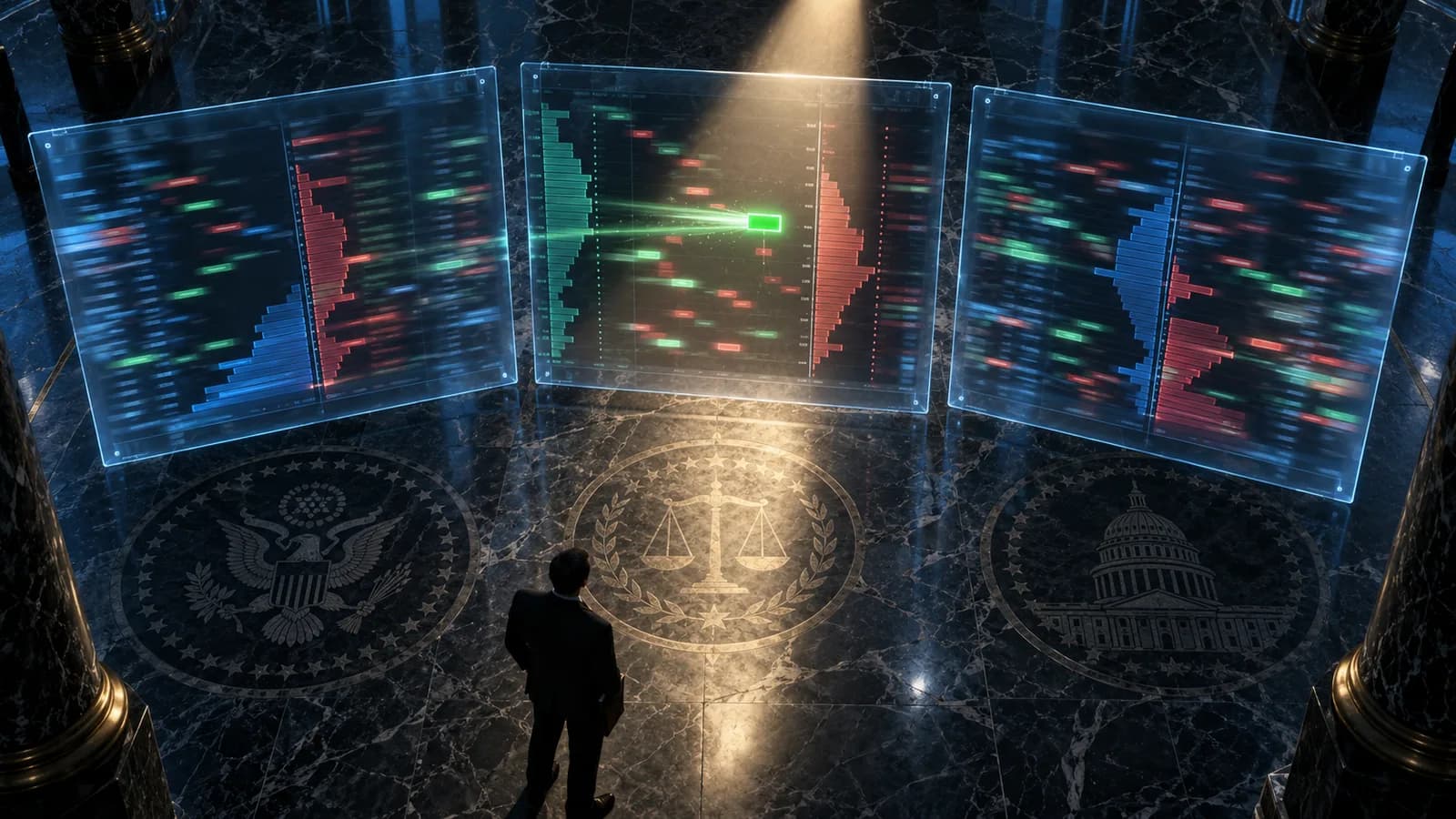
Nayib Bukele, the president who made El Salvador the first country to adopt Bitcoin as legal tender, took to X to argue that the 2008 financial crisis was never resolved. "We never escaped the 2008 financial crisis, we just shifted the pain," he wrote in a post that drew more than 74,000 views and 640 likes within hours of going up on July 30, 2026. The message was short, but it restates the core belief behind one of the most closely watched monetary experiments of the decade.
The argument compressed into one sentence
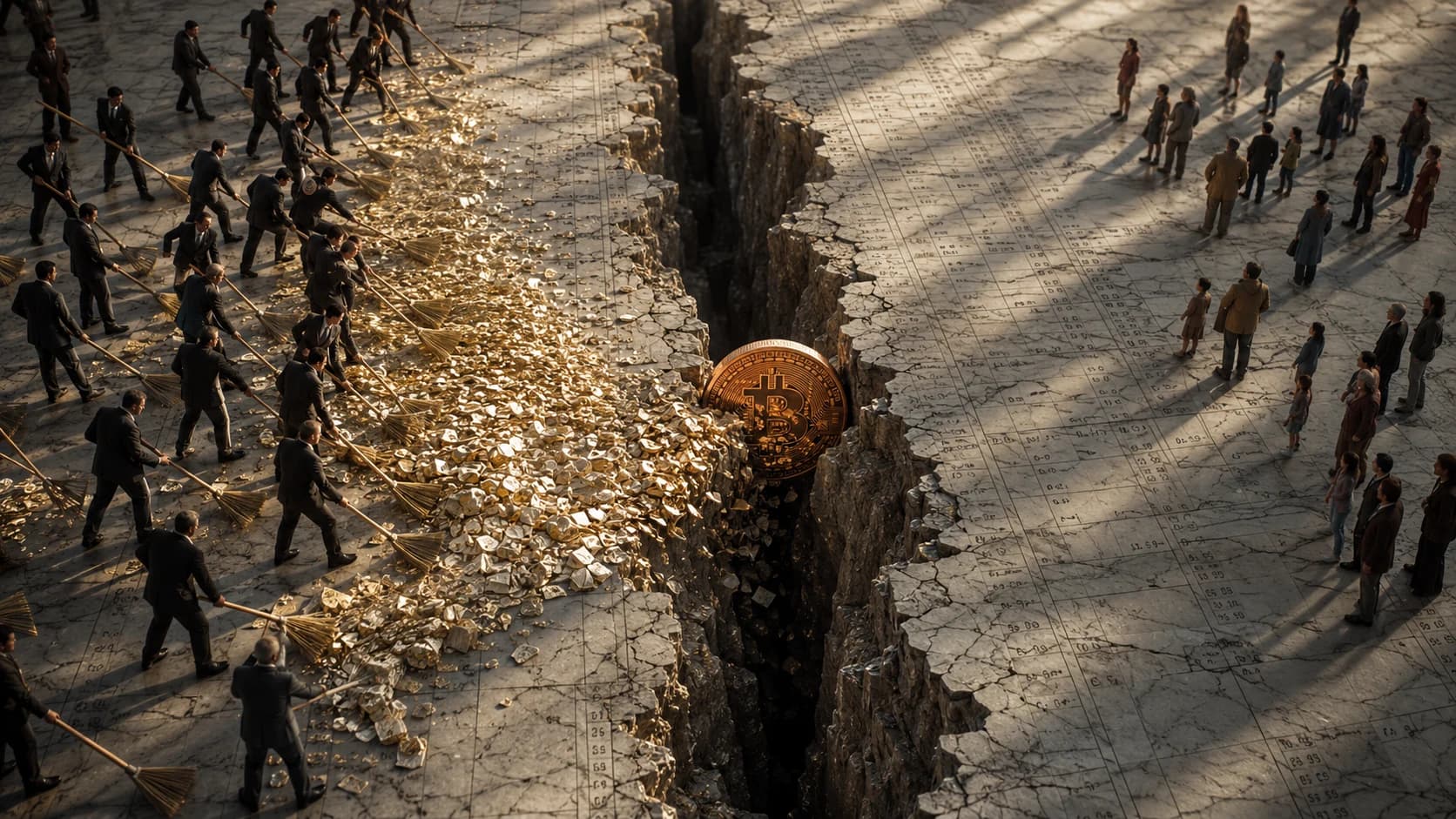
Bukele's claim is that the response to 2008, years of low interest rates, bank bailouts, and expanded central bank balance sheets, did not fix the underlying fragility. It relocated it. In his telling, the cost did not disappear; it was pushed onto savers through inflation, onto future taxpayers through debt, and onto emerging economies that import instability they did not create. That framing is the same one he leaned on when El Salvador passed its Bitcoin Law in 2021, positioning a fixed-supply asset as a hedge against money that can be printed at will.
The post itself carries no new policy. Bukele did not announce a purchase, a law, or a reserve change. This is a statement of conviction from a sitting head of state, relayed through his X account, and it should be read as commentary rather than a market event.
The country behind the quote
El Salvador remains the reference case for anyone arguing that a nation-state can build monetary policy around Bitcoin. The government has run a public accumulation strategy, issued Bitcoin-linked debt instruments, and marketed itself to remote workers and crypto firms. For readers tracking how that plays out on the ground, our coverage of El Salvador's crypto rules and card access lays out what the policy actually means for residents and visitors trying to spend.
The record is mixed, and it is worth being precise about it. Bitcoin adoption as an everyday payment method has stayed thin. Data covered in our look at El Salvador's Bitcoin Law five years on showed the asset handling well under 1% of remittance flows, with most Salvadorans still reaching for dollars and established money-transfer rails. Bukele's argument is macro and philosophical. The daily behaviour of his own citizens is a separate question, and the two do not fully line up yet.
A flat market, a nervous mood
The rhetoric landed on a quiet tape. As of July 30, 2026, Bitcoin traded near $63,765, down 0.1% on the day and 3.7% over the week. Ether sat around $1,903, off 0.7%, while Solana slipped to roughly $73.59 and XRP held near $1.07. None of these moves reflect a reaction to the post; they reflect a market that has drifted sideways for days.
The tone underneath is more telling than the prices. The Fear and Greed Index read 36, squarely in "Fear" territory. That is the backdrop against which Bukele's message circulated: not a euphoric rally that his words could accelerate, but a cautious market where a sovereign leader restating his distrust of the traditional financial system finds a receptive audience. Commentary like this tends to travel further when sentiment is anxious.
Reading conviction against results
There is a reason a one-line post from Bukele moves through crypto timelines the way it does. He is one of the only national leaders who has staked political capital on the idea that Bitcoin is not a speculative sideshow but a serious answer to a broken system. Each time he repeats the thesis, it functions as a signal to other governments watching whether the experiment survives.
For individuals, the practical takeaway is narrower than the geopolitics suggests. The appeal Bukele describes, holding money that no central bank can dilute, is the same reason many users gravitate toward spending directly from a wallet they control rather than parking funds with a custodian. That structure carries its own trade-offs, from price volatility to the responsibility of managing keys, and it does not erase the counterparty and settlement risks that sit inside any card or payment product. A president's macro argument and a household's spending decision run on different timescales.
Bukele's statement changes no rule and buys no coins. It restates a worldview that has already reshaped one country's monetary identity and continues to color how the crypto market interprets every crack in the legacy system. The next real test is not a tweet. It is whether El Salvador's on-the-ground usage numbers ever catch up to the conviction its president keeps broadcasting.
Overview
- Bukele posted on July 30, 2026 that the 2008 crisis "never ended," arguing its costs were shifted to savers, future taxpayers, and emerging economies rather than resolved.
- The post is commentary, not policy. No purchase, law, or reserve change was announced.
- El Salvador remains the leading nation-state Bitcoin case, but everyday adoption stays low, with Bitcoin handling under 1% of remittances.
- Markets were flat as the message spread: BTC near $63,765, ETH near $1,903, and a Fear and Greed reading of 36 as of July 30, 2026.