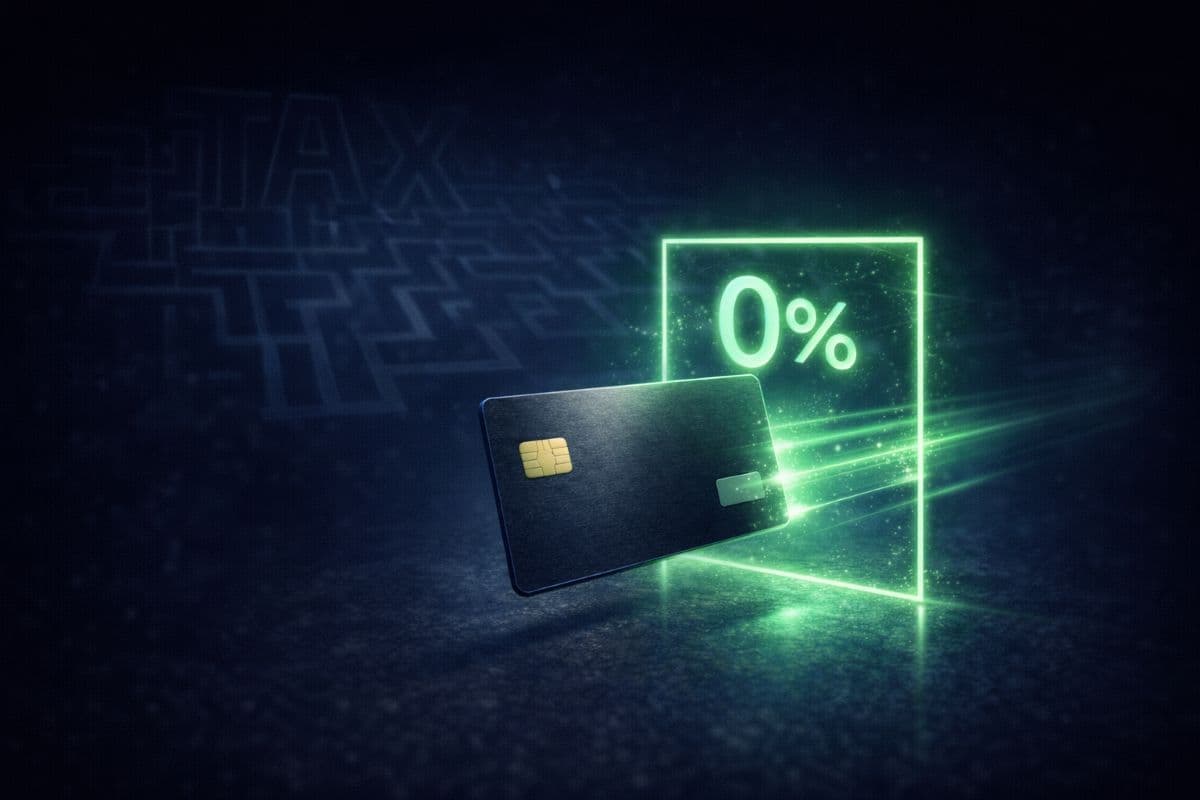
In the world of crypto cards, "fees" are usually visible. You see the 1% transaction fee, the $2.50 ATM charge, or the monthly subscription cost. But the most dangerous fee is the one you don't see: the "Tax Drag" created by inefficient swaps and top-ups.
Today, Avici has launched a new "Zero-Fee" infrastructure that enables swaps, onramps, and card top-ups without the standard 1-2% platform levy. This is not just a discount. It is a fundamental structural change that allows users to move money freely between DeFi and the real world without "leaking" value at every step.
This guide analyzes the Avici Zero-Fee update and provides a mathematical model for how much you can save in 2026 by optimizing your onramp.
Why Zero-Fee Swaps Matter Now
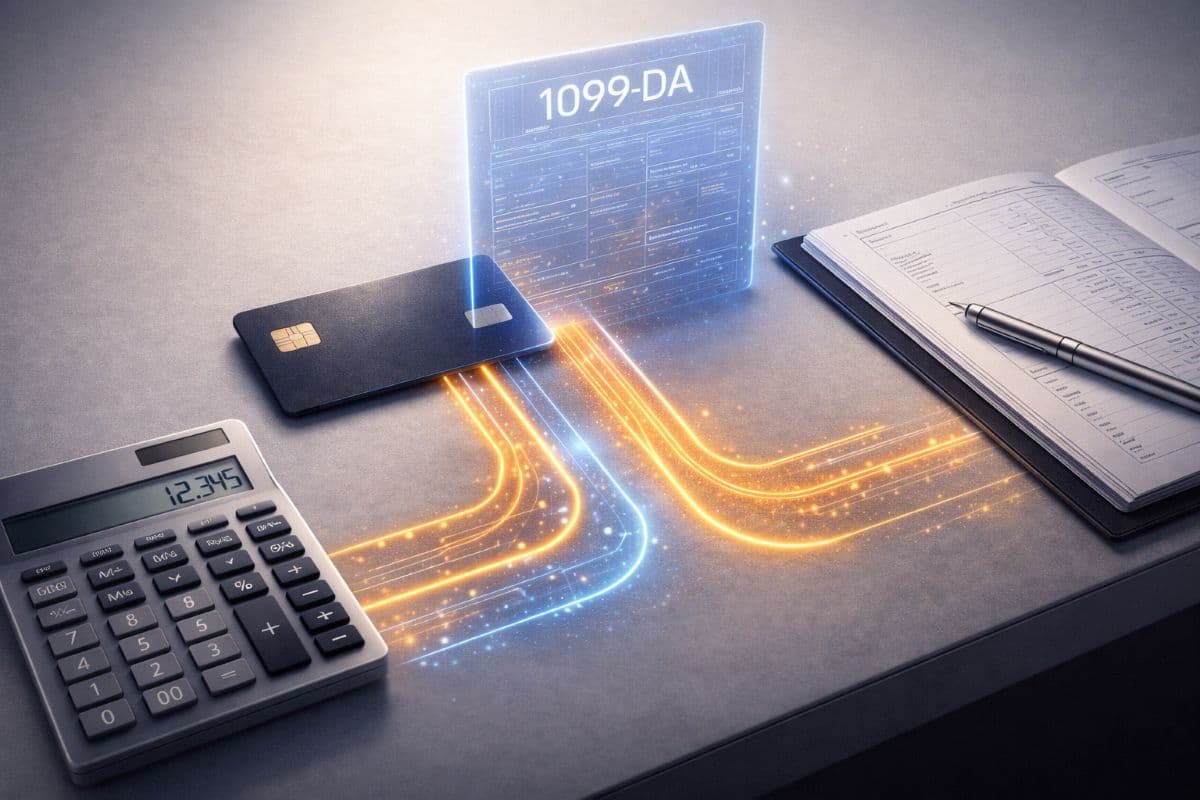
As governments worldwide tighten their tax reporting requirements (see our 2026 Tax Manual), every conversion event is scrutinized. High-fee platforms double your pain: you pay the fee, and then you pay taxes on the gross amount before the fee. By removing the platform fee, Avici allows for a cleaner "Cost Basis," simplifying your tax reporting and maximizing your purchasing power.
For cardholders who top up weekly, a 1% fee reduction on a $50,000 annual spend is $500 in pure savings. That is equivalent to the annual reward cap on many competitor cards.
How Avici's Zero-Fee Model Works
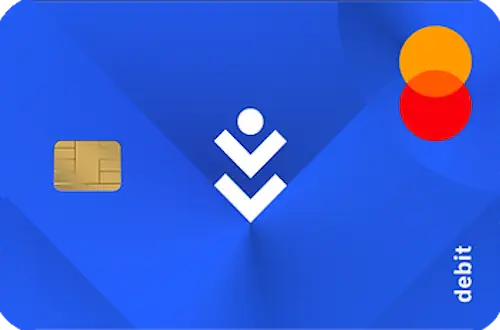
Avici's new update removes the platform fees associated with three critical actions: swapping tokens within the Avici wallet, onramping fiat from a bank account, and topping up the Avici card balance. Instead of charging a percentage-based commission on these transfers, Avici monetizes through a tightly controlled spread and premium subscription tiers. This "Zero-Fee" model eliminates the friction of moving money, allowing users to keep their capital in high-yield DeFi protocols until the exact moment of spend without being penalized for the transfer. It effectively turns the Avici card into a direct conduit for on-chain wealth. If you want to compare models, start with the Avici card profile.
The Math of Zero Fees: A 'Top-Up' Case Study
To understand the impact, let's look at the "Lifecycle Cost" of $1,000.
Scenario: Moving $1,000 from DeFi to a Traditional Crypto Card
- Swap Fee (ETH -> USDC): 0.5% ($5.00) on DEX.
- Top-Up Fee: 1% ($10.00) charged by card issuer.
- Spend Fee: 0% (standard).
- Total Friction: $15.00.
- Effective Purchasing Power: $985.00.
Scenario: Moving $1,000 to Avici Zero-Fee Card
- Swap Fee (In-App): 0% ($0.00).
- Top-Up Fee: 0% ($0.00).
- Spend Fee: 0% (standard).
- Total Friction: $0.00.
- Effective Purchasing Power: $1,000.00.
The Net Gain: You save $15 per $1,000. Over a year of $50,000 in spending, the Avici user retains $750 more wealth than the traditional user. This saving is "Risk-Free Return." You don't have to stake a volatile token or farm an airdrop to get it. You simply stop paying for the privilege of accessing your own money.
Common Mistakes or Myths
Myth 1: "Zero Fee means Zero Cost."
This is the most common misunderstanding. "Zero Fee" means no explicit transaction charge. However, there is almost always a spread, the difference between the market price and the price you get. Avici's spread is competitive, but on large ($10k+) swaps, you should always check the rate against a DEX aggregator like 1inch to ensure you aren't losing value on the price execution.
Myth 2: "This applies to all networks."
Zero-fee onramps often rely on specific banking rails (like SEPA or ACH). Instant card top-ups via another debit card may still incur processing fees charged by the source bank, even if Avici charges nothing. Always use bank transfers for true zero-cost loading.
Myth 3: "I don't need this if I have a credit card."
Crypto-backed credit cards (like Coinbase One Amex) are great, but they require collateral. Avici is a debit model, meaning you are spending liquid assets. For users who don't want to manage leverage or LTV ratios, a zero-fee debit rail is the superior choice.
Overview
Avici's "Zero Fee" update is a quiet revolution. By removing the friction of moving money, they have made crypto spending mathematically viable for the everyday user. It is no longer a "premium" product for whales; it is a utility for everyone.
Actionable Takeaway: If you are paying more than 0% to top up your current crypto card, stop. Download Avici, link your bank account, and run a test load of $100. If the total cost is $0, you have just given yourself an instant 1-2% raise on all future spending.