
Binance vs Coinbase
Side-by-side comparison of Binance and Coinbase crypto cards. Data sourced from official issuer documentation and verified by SpendNode.
Comparing 2 Cards
Side-by-side comparison of features and benefits
| Attribute | 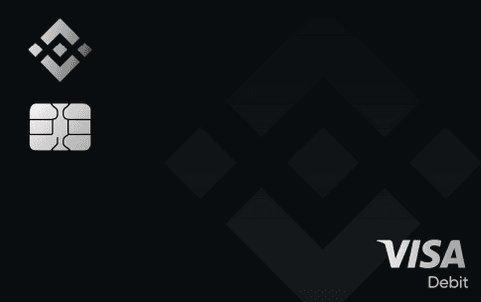 | 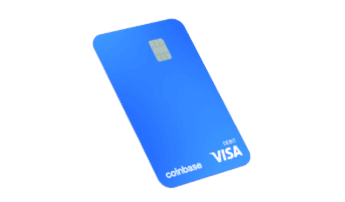 |
|---|---|---|
| Max Cashback | 2% | 4%Highest |
| Annual Fee | FreeBest | FreeBest |
| FX Fee | 2% | 0% |
| Custody Model | Custodial | Custodial |
| Network | MASTERCARD | VISA |
| Regions | Brazil | US |
| Supported Assets | 10+ assets BNBBTCETHUSDTUSDCFDUSDSOLADALINKXRP | 4+ assets USDCBTCETHSOL |
| Cashback | Yes | Yes |
| Staking | Yes | No |
| Points | No | No |
| Airdrops | No | No |
| Lounge access | No | No |
| Subscription rebates | No | No |
| Metal card | No | No |
| Virtual Cards | Yes | No |
| Physical Cards | Yes | No |
| Visa | No | No |
| Mastercard | No | No |
| Apple Pay | Yes | No |
| Google Pay | Yes | No |
| Self-custody spend | No | No |
| Stablecoin spend | No | No |
| No annual fee | Yes | Yes |
| No FX fee | No | Yes |
| ATM free allowance | No | No |
| No KYC | No | No |
| Virtual vs Physical | Yes | No |
| Debit vs Prepaid | No | No |
| Best For | Best for Yield | Best for Cashback |
Note: All data verified as of February 2026. Rewards and fees may vary based on your spending tier and region. Check each card's detailed page for complete terms.
Binance vs Coinbase: Key Differences
Two of the biggest exchanges, now serving completely different markets. Binance is a Brazil-only Mastercard with 2% [cashback](/crypto-cards/cashback/) capped at 250 BRL/month. Coinbase serves the US with up to 4% BTC rewards, FDIC-insured balances, and a stainless steel Amex credit card launched in 2025.
The right choice depends on your priorities: cashback rates, regional availability, custody model, and which ecosystem you already use. Below, we break down who should choose each card.
Zero Overlap: Different Markets Entirely
Binance discontinued its global Visa card in December 2023 and relaunched as a Brazil-only Mastercard prepaid in October 2025. Coinbase serves the United States with both a prepaid Visa (issued by Pathward, N.A., powered by Marqeta) and an Amex credit card (Coinbase One, issued by First Electronic Bank via Cardless, Inc.).
There is no market where both cards are simultaneously available. This comparison is relevant if you are deciding between the two exchanges as a platform and considering card access as part of that decision - not if you are choosing between two cards you can hold at the same time.
Coinbase's prepaid Visa is available in all US states except Hawaii. The Amex excludes US territories. Binance is restricted to Brazil only, with no announced plans for other markets.
Rewards: Uncapped BTC vs Capped BRL
Coinbase offers two card products with different reward structures. The prepaid Visa provides variable rotating crypto rewards (choose your asset monthly from BTC, ETH, SOL, and others) with zero fees from Coinbase. The Coinbase One Amex offers tiered BTC back: 2% base, scaling to 2.5%, 3%, or 4% based on your 30-day average Assets on Coinbase (AOC). The higher tiers (2.5-4%) are capped at $10,000 in purchases per calendar month, then revert to 2%.
Binance offers 2% cashback in BNB, capped at 250 BRL per month (approximately $45 USD). After reaching the cap, every additional purchase earns zero rewards while still incurring the 0.9% conversion fee.
| Scenario | Binance (2%, domestic BRL) | Binance (2%, cross-currency) | Coinbase Visa (variable) | Coinbase One Amex (4% BTC) |
|---|---|---|---|---|
| Low spender ($1,000/mo) | $11 (1.1% net) | -$9 (net loss) | Variable | $36 (after $4.17/mo sub) |
| Mid spender ($3,000/mo) | $33 (near cap) | -$27 (net loss) | Variable | $116 (after sub) |
| High spender ($5,000/mo) | $45 (cap hit) | -$45 (net loss) | Variable | $196 (after sub) |
| Annual total ($3,000/mo) | $396 (cap limits most months) | -$324 (annual loss) | Variable | $1,392 (after sub) |
SpendNode's 2026 comparison reflects a fundamental gap: Binance's 250 BRL monthly cap means the card stops rewarding you after approximately $2,250 in domestic spending. Every purchase beyond the cap costs 0.9% in conversion fees with nothing in return. Cross-currency spending is worse: the 2% FX fee plus 0.9% conversion totals 2.9%, producing a net loss of -0.9% per transaction.
Coinbase One membership costs $49.99/year ($4.17/month). At the 4% BTC tier, you need just $105/month in spending to cover the membership cost. The Amex also includes Retail Protection (up to $10,000/claim), Extended Warranty (doubles manufacturer coverage up to 1 year), Trip Cancellation/Interruption insurance, and Worldwide Car Rental Insurance. A single protected claim on a $1,000 item could exceed years of Binance's capped rewards.
The USDC Tax Advantage
Coinbase offers zero-fee USDC spending on the prepaid Visa. Since USDC maintains a 1:1 peg to USD, spending it generates minimal or zero capital gains liability. For US crypto holders, this is a genuine tax optimization: spend USDC for daily purchases (no meaningful taxable event) and hold BTC/ETH for long-term appreciation.
Binance's card converts crypto to BRL at point of sale, creating a taxable disposal on every purchase. In Brazil, crypto gains above 35,000 BRL/month are taxed at 15-22.5%. An active Binance card user spending appreciated BTC positions triggers real capital gains tax liability on every transaction.
Coinbase's Amex avoids this issue entirely because it is a traditional credit card - you are spending a credit line, not selling crypto. BTC rewards are received as new crypto, and current IRS guidance suggests credit card rewards are not taxable income. This gives Coinbase a structural tax advantage from two directions: USDC spending avoids disposals, and Amex credit spending avoids them completely.
Binance does offer a unique counter-advantage: spending directly from Flexible Earn positions while continuing to accrue up to 6.05% APR. Your idle USDT or BNB earns yield until the moment it is spent, effectively subsidizing the 0.9% conversion fee for patient users.
Regulation and Trust
Coinbase is publicly traded (NASDAQ: COIN), FDIC pass-through insured up to $250,000 on USD balances, and fully regulated by FinCEN and state regulators. It issues Form 1099 for tax reporting. The prepaid Visa is issued by Pathward, N.A. (Member FDIC). The Amex is issued by First Electronic Bank via Cardless, Inc. Coinbase has 1.79 million App Store reviews with a 4.7 rating - the most reviewed crypto exchange app in the US.
Binance's Brazil card is issued through local partnerships under Brazilian financial regulation. Binance has faced regulatory challenges globally, including a $4.3 billion settlement with the US DOJ in November 2023, loss of its CEO (CZ stepped down as part of the settlement), and departures from multiple markets. The Brazil program operates independently of these issues under local compliance, but the parent company's regulatory history is relevant context for users evaluating platform risk.
For users who prioritize regulatory certainty and institutional backing, Coinbase is in a fundamentally different class. For Brazilian users who simply want a functional exchange off-ramp with no subscription costs, Binance's local compliance and zero-commitment structure is sufficient.
Common Mistakes When Choosing
Assuming Coinbase's 4% BTC rate is automatic for all Amex cardholders. The 4% tier requires a high 30-day average Assets on Coinbase (AOC) balance. Users with modest holdings start at 2% - the same headline rate as Binance. At 2%, the Coinbase Amex nets $20/month on $1,000 spending minus the $4.17/month membership cost, or $15.83. That is only $4.83 more than Binance's domestic 1.1% net ($11). How to avoid it: Check your AOC tier before committing to Coinbase One. If you hold less than the threshold for 2.5%+, the prepaid Visa with zero-fee USDC spending may deliver more total value than the Amex.
Using the Binance card for international purchases instead of domestic BRL. This is mathematically guaranteed to lose money: 2% cashback minus 0.9% conversion minus 2% FX = -0.9% net per transaction. A Brazilian traveler spending $500/month abroad loses $54/year on Binance. Even domestic spending above the 250 BRL/month cap costs 0.9% per transaction with zero reward. How to avoid it: Treat the Binance card as a domestic BRL-only spending tool with a hard ceiling of approximately $2,250/month. For any international or high-volume spending, use a no-FX-fee card like OKX, RedotPay, or Gnosis Pay.
Decision Shortcut
US residents: Coinbase is your only (and excellent) option between these two. The Amex at up to 4% BTC back is the strongest exchange-linked credit card available in the US. For tax-efficient daily spending, the prepaid Visa with zero-fee USDC is unmatched.
Brazilian residents: Binance is your only option between these two, with a simple 2% cashback and no subscription required. The 250 BRL monthly cap limits its value for high spenders - consider cards with broader reach like RedotPay or Gate.io for uncapped rewards.
Outlook: Coinbase briefly offered a card in the UK before withdrawing. With MiCA regulation now in effect across the EEA, Coinbase has the regulatory infrastructure to re-enter Europe in 2026, which would make its card products available to a much larger market. Binance has not announced plans to expand beyond Brazil. The gap in platform maturity - publicly traded, FDIC-insured, dual card products versus a single-market prepaid - is likely to widen further as Coinbase continues to invest in its card program.
Fee Breakdown
| Fee | Binance | Coinbase |
|---|---|---|
| FX Fee | 2% | 0% |
| Annual Fee | Free | Free |
| ATM Fee | 0% | 0% |
Fees pulled from issuer documentation. Verify on the official site before applying.
Who Should Choose Binance
The Binance Mastercard is best suited for users who:
- Want up to 2% cashback on spending
- Prefer a card with no annual fee
- Are based in Brazil
Who Should Choose Coinbase
The Coinbase Card (Prepaid Visa) is best suited for users who:
- Want up to 4% cashback on spending
- Need zero FX fees for international transactions
- Prefer a card with no annual fee
- Are based in US
Our Verdict
These cards no longer compete directly - they serve different continents. US users can only use Coinbase. Brazilian users can only use Binance (Coinbase is not available in Brazil). **SpendNode compared both reward structures: Coinbase wins with 4% uncapped BTC versus Binance's 2% capped at approximately $45/month, plus regulatory clarity and the unique Amex credit card option with purchase and travel protection.** Binance wins on zero commitment (no staking, no subscription, no membership fee) and the ability to spend directly from Flexible Earn while accruing up to 6.05% APR yield. The only realistic comparison here is platform quality, not card-to-card competition.
Frequently Asked Questions
Which has better cashback, Binance or Coinbase?
Coinbase offers up to 4% cashback compared to Binance's 2%. Actual rates depend on your spending tier and card variant.
Which card has lower fees?
Coinbase charges 0% FX fee vs Binance's 2%. Neither charges an annual fee.
Is Binance or Coinbase better for self-custody?
Both use custodial models. If self-custody is important, consider providers like Gnosis Pay or ether.fi.
Which card is available in more regions?
Both are available in 1 region. Check the issuer's website for current eligibility.