A second suspected memecoin rug factory is operating on Robinhood Chain, and security firm GoPlus has traced over $9 million in losses to the activity across a 30-day window, according to reporting from CryptoSlate on September 29, 2026. The pattern lines up with a familiar rule of onchain markets: money moves in first, and the operators who want to extract it follow.
The context is the network's own momentum. Robinhood Chain's total value has been climbing toward roughly $1.5 billion, and that growth is exactly what makes it a target. New chains with fresh liquidity and thin monitoring give rug operators a large pool of capital and a short head start before anyone catches on.
The mechanics of a rug factory
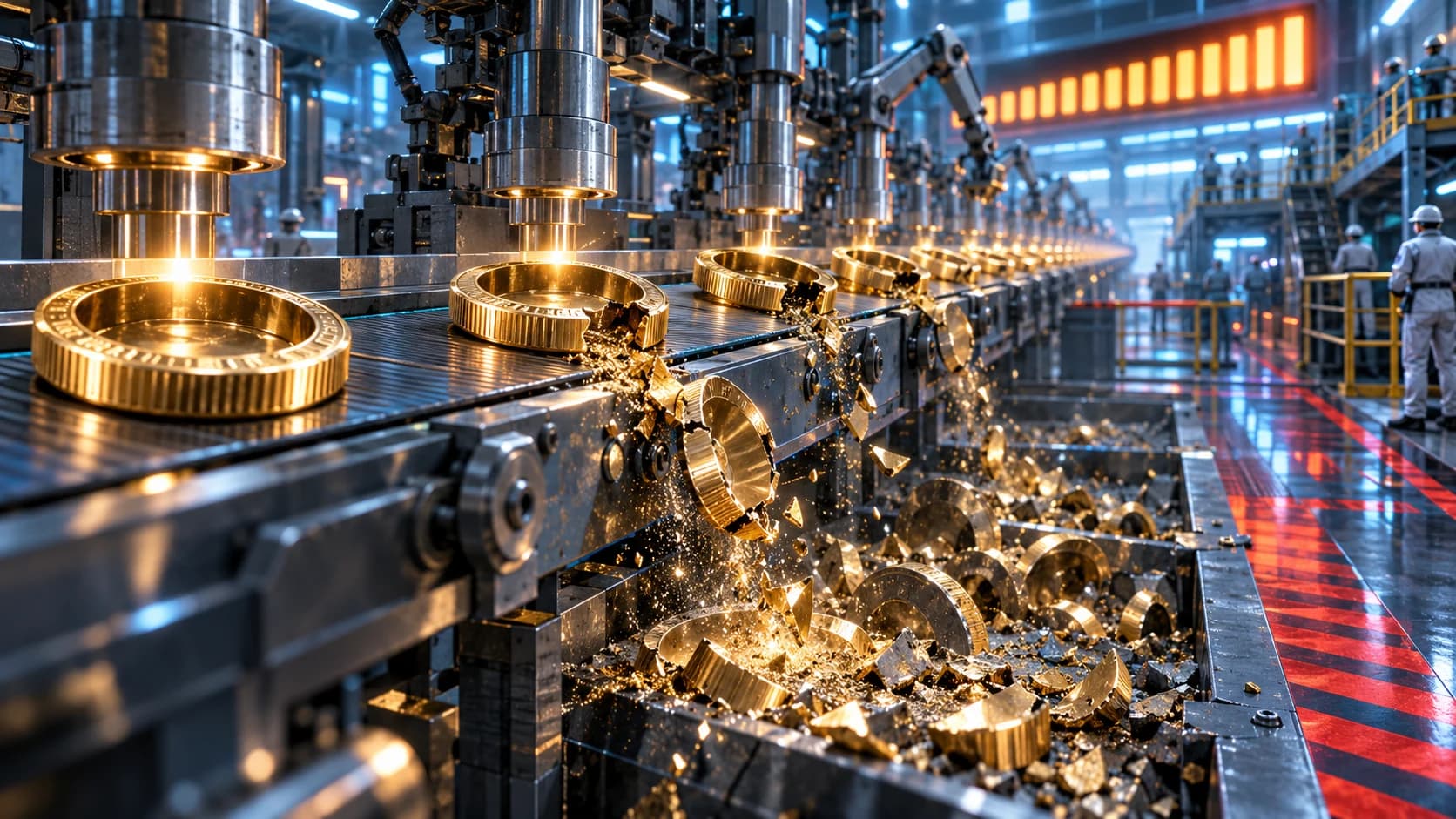
A "rug factory" is not a single scam token. It is a repeatable production process. The operators deploy new memecoin contracts on a schedule, seed each with initial liquidity to look legitimate, market them briefly to draw buyers, then pull the pooled liquidity or dump insider allocations. The pattern is industrialized: same playbook, new token, over and over.
GoPlus, which tracks contract-level risk across chains, was able to trace the $9 million figure precisely because the behavior repeats. When the same deployment signatures, funding wallets, and liquidity-pull patterns show up again and again, on-chain forensics can bundle them into a single operation rather than a string of unrelated incidents. That is how a "second" factory gets identified as distinct from the first.
The word "suspected" matters here. The tracing points to a coordinated operation, but attribution on public chains is a probabilistic exercise built on wallet clustering and behavioral fingerprints. What is concrete is the $9 million that flowed out and the 30-day span it covered.
Growth and predation move together
There is nothing unique to Robinhood Chain about this. Every fast-growing network has drawn the same activity at some point in its early life, because the incentive structure is identical each time. High velocity plus new liquidity plus limited tooling equals opportunity for extraction.
Robinhood carries a mainstream retail brand, which sharpens the risk. Users who associate the name with a regulated US brokerage may extend more trust to tokens deployed on its chain than the raw contracts deserve. A recognizable brand on the base layer does not vet what gets deployed on top of it. Anyone can launch a token; the chain does not endorse it.
That gap between brand trust and contract risk is where rug factories do their best work.
Guarding against factory-line scams
The defenses are unglamorous and they hold up across every chain. Liquidity that is not locked, or is locked for only a short window, is a warning. Token supply concentrated in a handful of wallets is a warning. A contract deployed hours ago with a marketing push already running is a warning. Contract scanners like the ones GoPlus runs exist to surface these signals before you buy, not after.
For anyone spending or holding through connected wallets, the custody point is worth stating plainly. When you approve a token contract or a swap, you are granting permissions to code you likely have not read. Revoking stale approvals and keeping speculative memecoin activity in a wallet separate from long-term holdings limits the blast radius if one of these contracts turns hostile. Tools that let you spend from your own wallet put that responsibility on you rather than a custodian, which is a benefit and a liability at once.
None of this makes memecoin trading safe. It makes it survivable for people who treat every new token as guilty until the contract proves otherwise.
Overview
Robinhood Chain's climb toward $1.5 billion in value has attracted a second suspected memecoin rug factory, with GoPlus tracing more than $9 million in losses over 30 days, per CryptoSlate. The story is less about one chain than about a repeating pattern: capital arrives, extraction operations follow, and a trusted brand on the base layer does nothing to vet the tokens built on top of it. The practical defense is contract-level scrutiny before buying, tight wallet hygiene, and treating new deployments as high risk by default. As of September 29, 2026, the broader market sat in "Greed" territory with a Fear and Greed reading of 68, the kind of environment where new-chain speculation runs hottest.