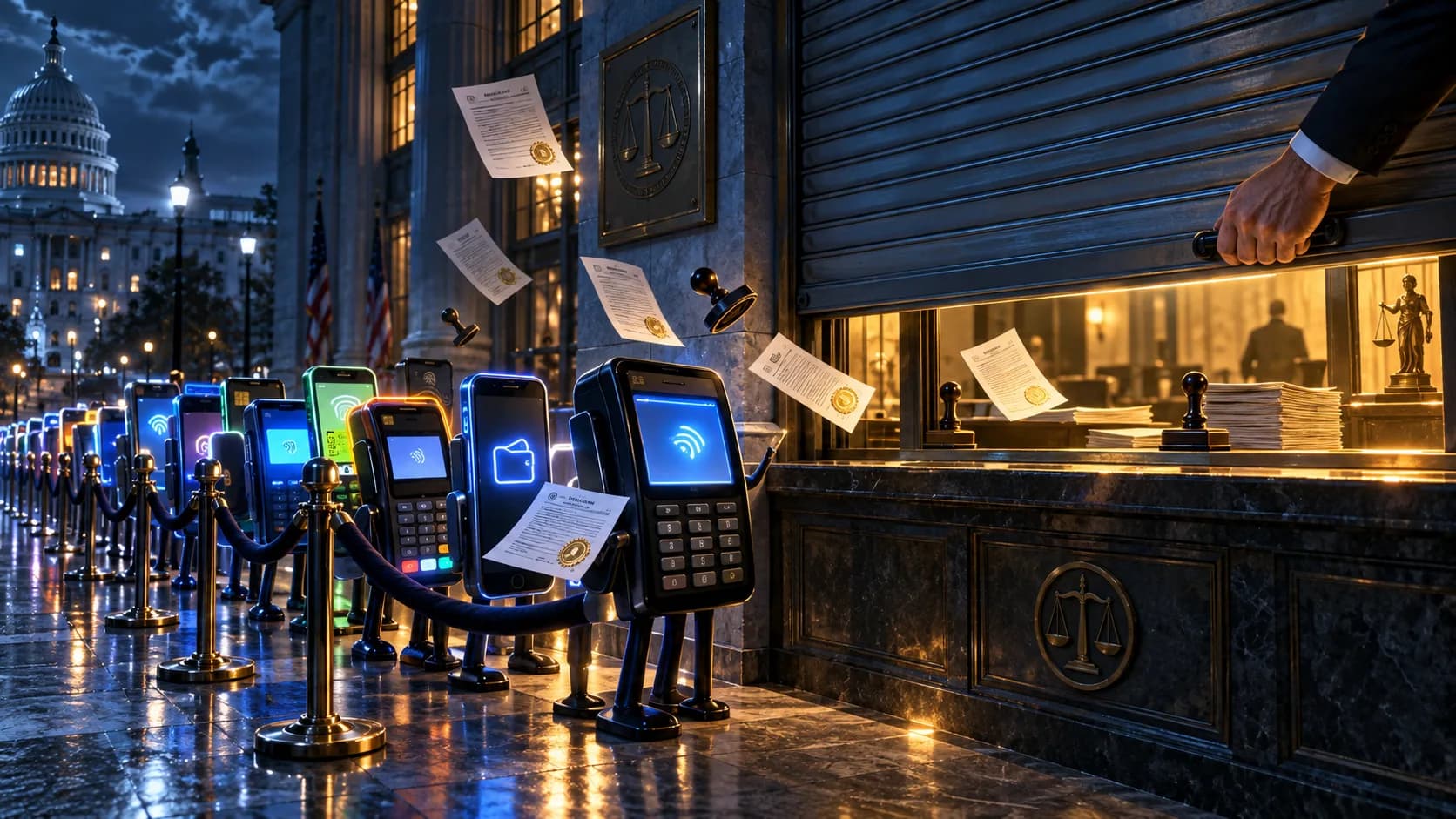
The Bangko Sentral ng Pilipinas has proposed freezing new payment-system operator registrations for 12 months while it overhauls the framework that governs how these firms are licensed. The proposal was flagged by CoinMarketCap on September 8, 2026, citing the central bank's plan to pause fresh registrations rather than approve them under the current rules.
For anyone building or using digital payment rails in the Philippines, this is the layer of regulation that sits underneath most consumer products. Payment-system operators are the licensed entities that move money between accounts, run e-wallets, and connect merchants to settlement. Crypto payment providers, stablecoin-based remittance apps, and card programs all depend on either holding one of these licenses or partnering with a firm that does.
A pause on new entrants, not a shutdown
The proposal targets new registrations, not existing operators. Firms already licensed to run payment systems would continue operating during the review. The freeze applies to the queue of applicants waiting to enter the market, which is where most new crypto-linked payment products would sit.
A 12-month window is long enough to reshape a competitive market. A startup that planned to launch a remittance wallet or a local card program this year would face a wait before it could register, assuming the moratorium is adopted as proposed. Established players with licenses in hand gain a period without new direct competition.
The central bank framed the pause as a way to rebuild its licensing framework. Regulators typically reach for a moratorium when the volume of applications, the mix of business models, or the risk profile of new entrants has outgrown the rules written for an earlier market. The details of what the revised framework will require have not been published alongside the proposal.
The Philippines is a heavy-use payments market
Context matters here. The Philippines is one of the largest remittance-receiving countries in the world, and mobile wallets are a primary way households receive and spend money. That combination has made it a target market for crypto payment firms pitching cheaper cross-border transfers and stablecoin settlement.
Several regional stories this year have pushed in the same direction: governments tightening the rules around who can operate payment and crypto rails. Thailand adopted a crypto travel rule with self-custody wallet checks, and Kyrgyzstan expanded its crypto licensing push alongside a central bank digital currency pilot. A registration freeze in the Philippines fits that broader pattern of regulators pulling licensing back in-house before letting more entrants scale.
For consumers, the immediate effect is limited. Wallets and cards already operating stay live. The medium-term effect is on choice: fewer new products entering the market for a year means the existing set of operators defines what is available.
Effects on crypto payment and card products
Crypto card programs and stablecoin spending apps that route through a locally licensed partner would feel this most. If a card issuer planned to add the Philippines by registering a new local payment entity, a moratorium closes that path until the review ends. Partnering with an already-licensed operator becomes the faster route to market, which raises the value of those existing licenses.
There is also a knock-on effect for remittance-focused stablecoin projects. Dollar-denominated stablecoins have drawn scrutiny across Asia this year over their effect on local currencies, and a licensing overhaul gives a central bank room to write rules specifically for how those instruments settle domestically. The Bank of Korea has argued that dollar stablecoins can weaken local currencies, and Philippine authorities reviewing their framework may weigh similar concerns.
As analysis rather than confirmed policy: a freeze paired with a framework rewrite usually signals that the new rules will be stricter, or at least more specific, than the old ones. That is not stated in the proposal, but it is the common pattern when a regulator pauses intake to redesign the entry process. This is speculative reading of the direction, not a description of published requirements. Not financial advice.
Overview
The Bangko Sentral ng Pilipinas has proposed a 12-month freeze on new payment-system operator registrations while it overhauls its licensing framework, as reported on September 8, 2026. Existing operators keep running; the pause applies to new applicants, including crypto payment, stablecoin remittance, and card programs that would need a fresh local license. The concrete details of the revised framework have not been published. For now, the takeaway for users in the Philippines is that the current set of licensed payment products is what will be available through the review period.