Ricardo Salinas, the billionaire behind Grupo Salinas and Banco Azteca, said on June 19, 2026 that Mexico's banking sector operates under standing orders from the central bank to avoid crypto entirely. The claim was reported by CoinDesk, citing Salinas directly. He framed it as the reason banks in the country keep their distance from digital assets even as demand grows.
Salinas is not a neutral observer. He has spent years positioning himself as Mexico's loudest Bitcoin advocate, has said he holds a meaningful share of his liquid portfolio in BTC, and has repeatedly floated the idea of letting Banco Azteca, his retail bank, handle Bitcoin. That history matters here. A bank owner who wants to offer crypto is describing a wall he says the regulator put up.
A claim from inside the banking system, not outside it
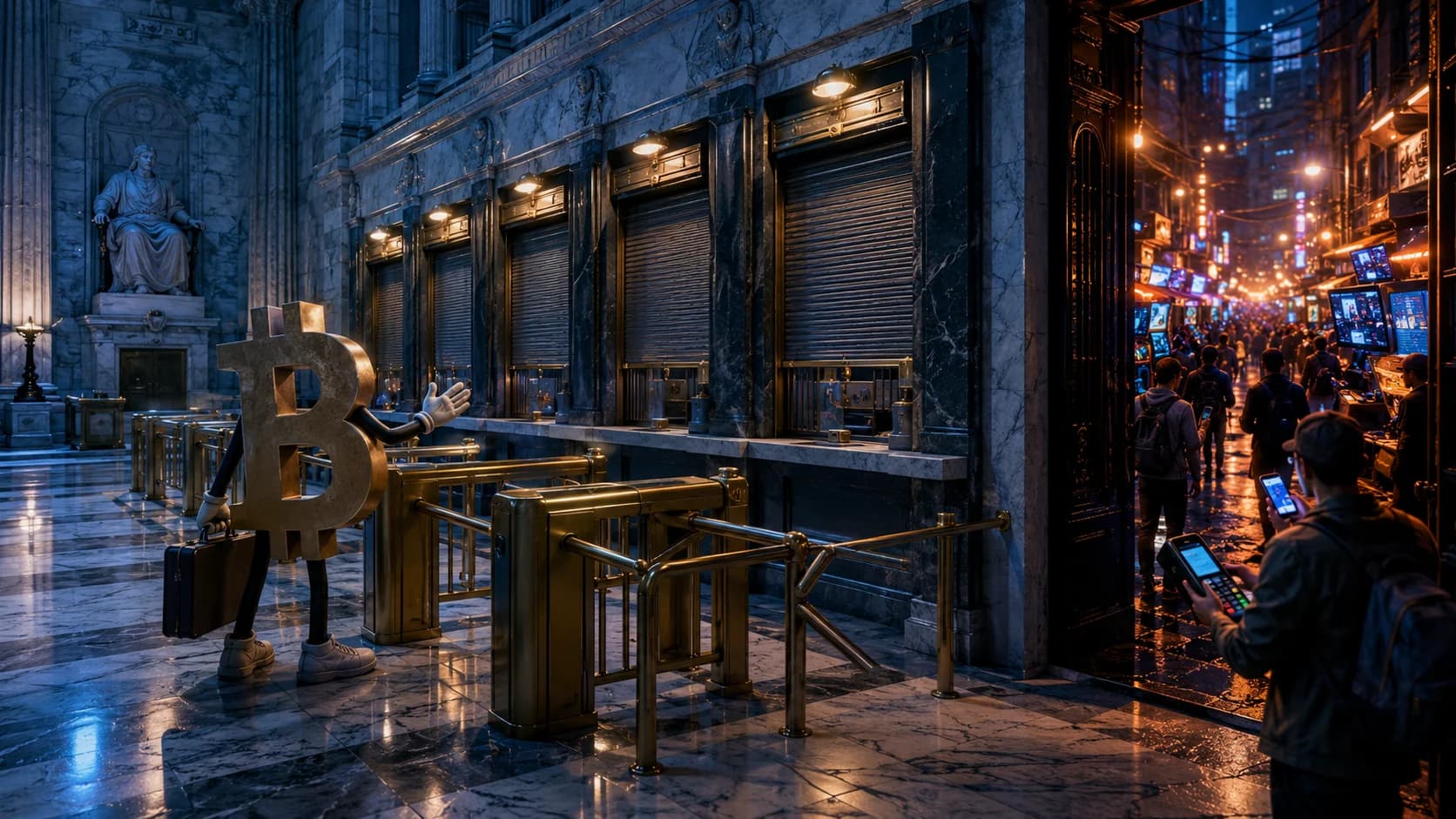
Most complaints about banks avoiding crypto come from exchanges or startups locked out of the rails. Salinas is making the same complaint from the other side of the counter. As the controlling shareholder of a licensed bank, he is in a position to know whether his own institution can touch the asset class, and he is saying the answer is a directed no.
He did not publish a document, and the central bank has not confirmed any such instruction. Treat this as an on-record assertion from an interested party rather than verified policy. Even so, it lines up with what Mexican regulators have signaled for years. Banco de Mexico and the financial authorities have kept crypto outside the regulated banking perimeter under the fintech law, allowing limited activity but discouraging banks from holding or intermediating digital assets directly.
The practical effect for everyday users
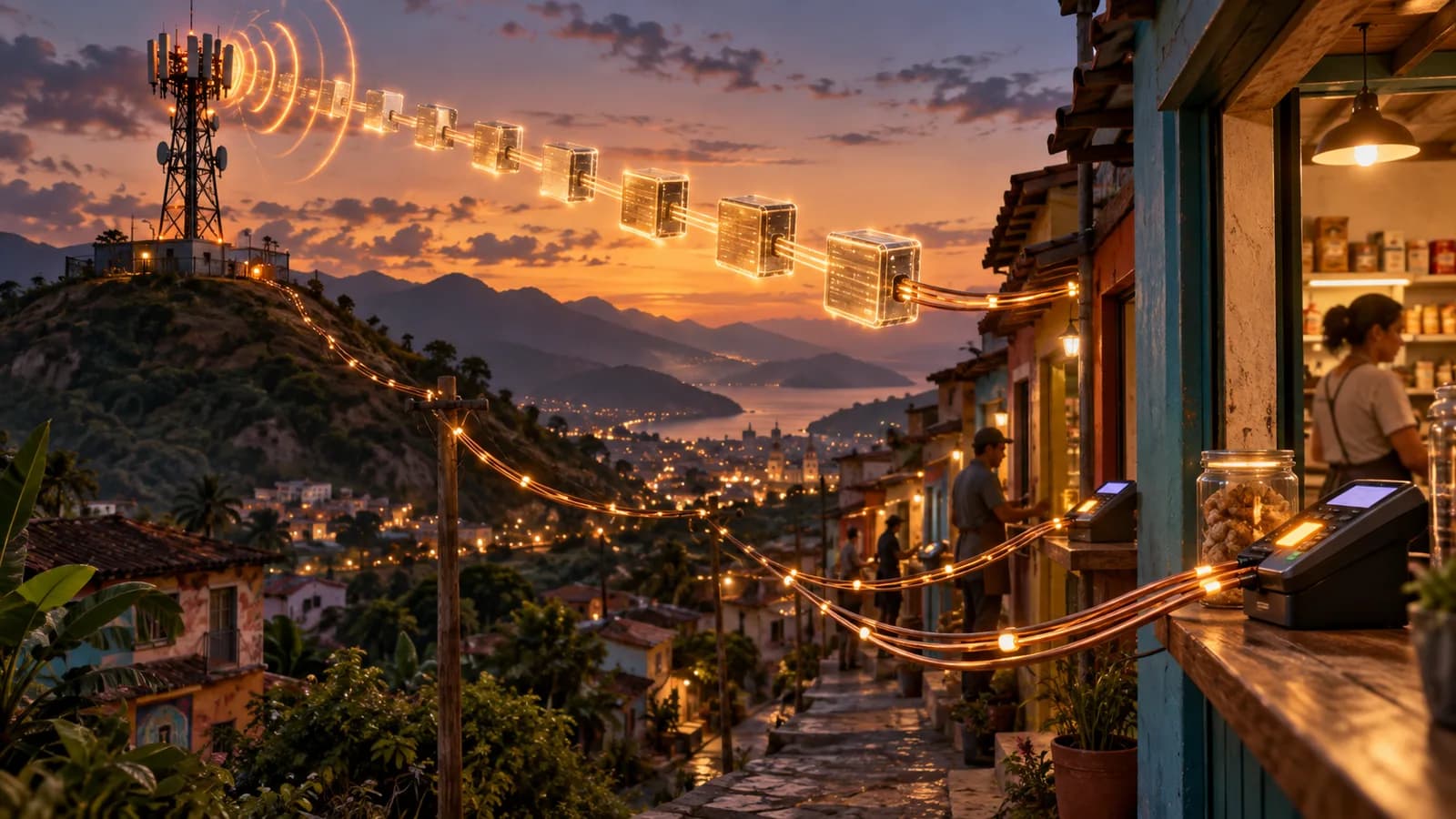
If banks will not bank crypto, the demand does not disappear. It moves. In Mexico, that has meant a heavy reliance on exchanges, peer-to-peer markets, and dollar-pegged tokens for anyone who wants exposure or a way to spend it. Remittances are part of the story. Mexico receives more inbound remittances than almost any country on earth, and a slice of that flow now moves through stablecoin rails that settle faster and cheaper than a traditional wire.
When the local bank is a dead end for crypto, the card and the exchange wallet become the front door. That is the connection to spending. A user who cannot link a Banco Azteca account to a crypto product still reaches for a crypto card funded from an exchange or a self-custody wallet to turn a balance into groceries. The bank is bypassed, not consulted.
Salinas versus the regulator
The tension is direct. Salinas wants his bank in the business. The central bank, by his account, has told the sector to stay out. He has the capital and the customer base of one of Mexico's largest consumer banks, and he has been clear that he sees Bitcoin as a hedge against the peso and against inflation. The regulator sees a volatile asset class it would rather keep at arm's length from deposit-taking institutions.
This is not unique to Mexico. Plenty of jurisdictions keep crypto and chartered banking separate by design, whether through guidance, capital rules, or informal pressure. The difference is that a sitting bank owner rarely says the quiet part on the record. Salinas did.
His framing also doubles as marketing for his own thesis. If banks are blocked, the argument goes, then self-custody and direct ownership are the only honest options for Mexicans who want crypto. That is convenient for someone who holds a large Bitcoin position and wants company in the trade. It can be true and self-serving at the same time.
Overview
Salinas claims Mexico's central bank has issued standing orders for banks to avoid crypto, and he says that is why the sector keeps away from the asset class. The claim is unverified and comes from an interested party, but it matches years of regulatory posture that has kept crypto outside the banking perimeter. For users, the takeaway is unchanged: in Mexico, crypto access runs through exchanges, stablecoins, and cards rather than through a bank account. If you bank in the country and plan to spend crypto, assume the rail will be a card or an exchange wallet, not a transfer from your local branch.