Token buybacks across crypto reached a record $638M, according to data shared by CoinMarketCap on September 1, 2026. The headline number matters less than the split behind it: Hyperliquid and Pump.fun together accounted for nearly 90% of the total, leaving the rest of the sector to divide the remaining sliver.
That concentration is the story. A record can suggest a broad wave of protocols returning cash to holders. This one is closer to two engines running hot while most of the field idles.
Two protocols, most of the spend
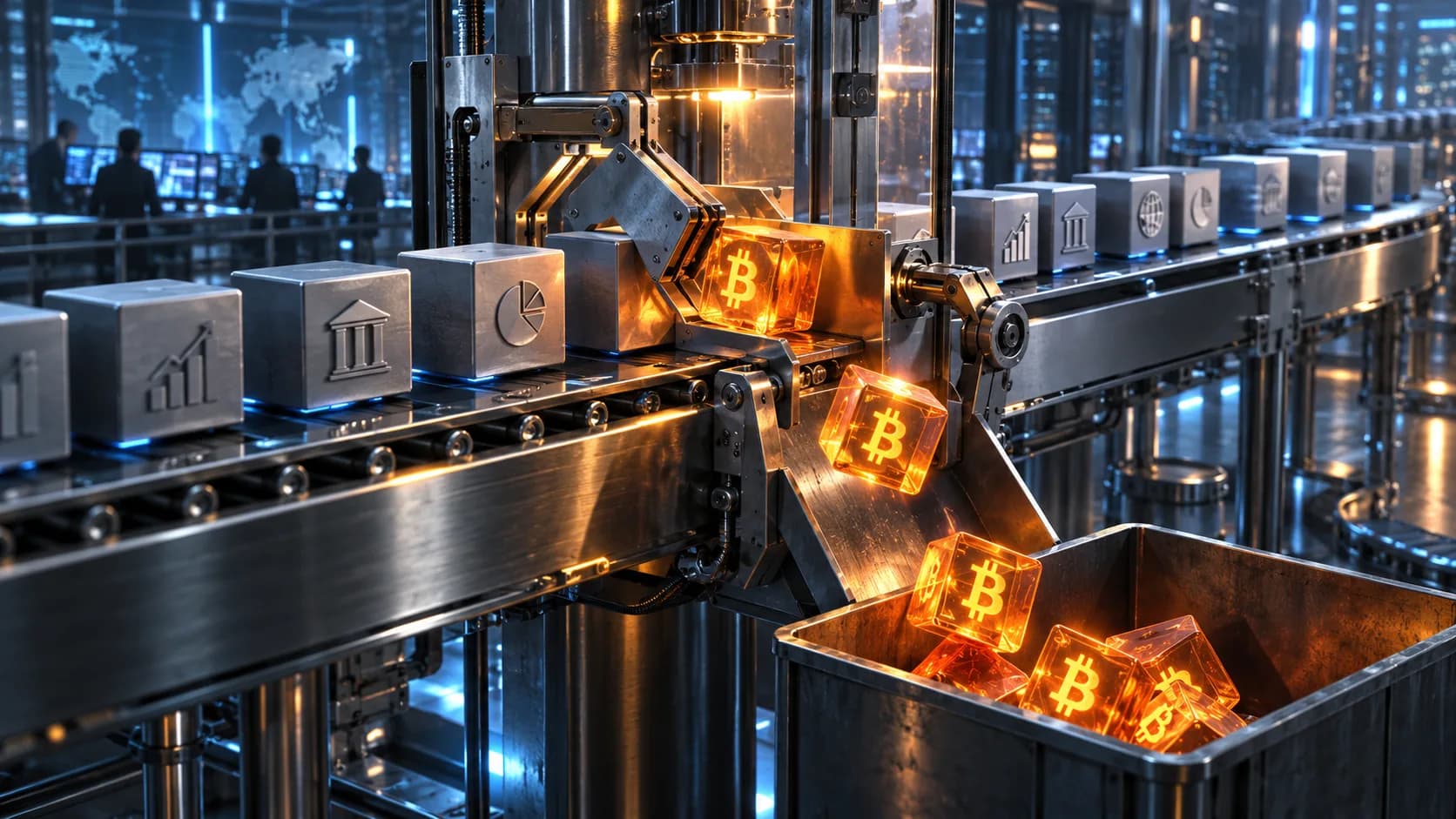
Buybacks work like corporate share repurchases. A protocol takes revenue it has already earned, usually from trading fees or platform activity, and uses it to buy its own token on the open market. The tokens are often burned or moved to a treasury, which reduces circulating supply and returns value to holders without issuing new emissions.
Hyperliquid, a perpetuals exchange, and Pump.fun, a Solana-based token launchpad, both generate fees directly from user activity. High trading volume on Hyperliquid and continuous token creation on Pump.fun produce steady revenue, and both have committed large shares of that revenue to repurchasing their tokens. When nearly 90% of a record $638M traces back to these two names, it tells you where onchain fee generation is actually concentrated right now.
The other side of that figure is quieter. Hundreds of tokens run buyback or burn mechanics of some kind, yet their combined contribution here is small. Most protocols either do not earn enough fee revenue to fund meaningful repurchases, or they still lean on token emissions rather than cash returns.
Revenue-share tokenomics moves to center stage
The buyback model marks a shift in how crypto projects think about token value. For years, the default was emissions: mint new tokens to reward liquidity providers, stakers, and users, and hope demand outpaced the new supply. That approach inflates supply and often pushes prices down over time.
Buybacks invert the logic. Instead of printing tokens to attract activity, a protocol lets activity fund the token. It only works if the underlying business produces real revenue. That is why the $638M figure is a useful filter. It separates protocols with durable fee income from those still subsidizing growth.
The same revenue-share logic underpins parts of the crypto card market. Cashback rewards and staking-linked yield programs are sustainable only when they draw from genuine interchange or fee income rather than a token that must keep appreciating to cover payouts. Cards that require token staking to unlock higher rewards, for example, carry the same risk emissions-driven tokens do: if the token price falls, the value of the reward falls with it, and months of accumulated cashback can be wiped out. Buyback-funded models are one way protocols try to avoid that trap.
Market backdrop and what the number does not say
The buyback record landed with markets in a cautious-but-greedy posture. As of September 1, 2026, Bitcoin traded near $78,775, up 0.9% on the day but down about 2% over the week. Ether sat around $2,474, up 1.4%, while Solana, the chain hosting Pump.fun, traded near $103.64. The CoinMarketCap Fear and Greed Index read 75, in Greed territory.
A record buyback tally during a Greed reading is easy to over-read. Buybacks reflect revenue that was already earned; they are a lagging measure of past activity, not a forward signal on price. A protocol repurchasing its token does not guarantee the token rises, and heavy repurchasing can coincide with weak spot performance if selling pressure elsewhere outweighs it.
The concentration also carries a caution. When two protocols drive 90% of an entire category's activity, the category's health is tied to their continued volume. A slowdown in perpetuals trading or a cooling in token launches would pull the sector-wide figure down fast, regardless of what the broader market does.
For now, the takeaway is narrow and specific: onchain fee generation strong enough to fund large buybacks exists, but it is unevenly distributed, and a single record number can hide how few names are producing it.
Overview
Crypto token buybacks reached a record $638M, with Hyperliquid and Pump.fun responsible for nearly 90% of the total, per CoinMarketCap data on September 1, 2026. The figure highlights a move toward revenue-funded tokenomics over emissions, but the extreme concentration means the record reflects two protocols' fee income more than a broad market trend. Buybacks are a lagging measure of past activity, not a price forecast.