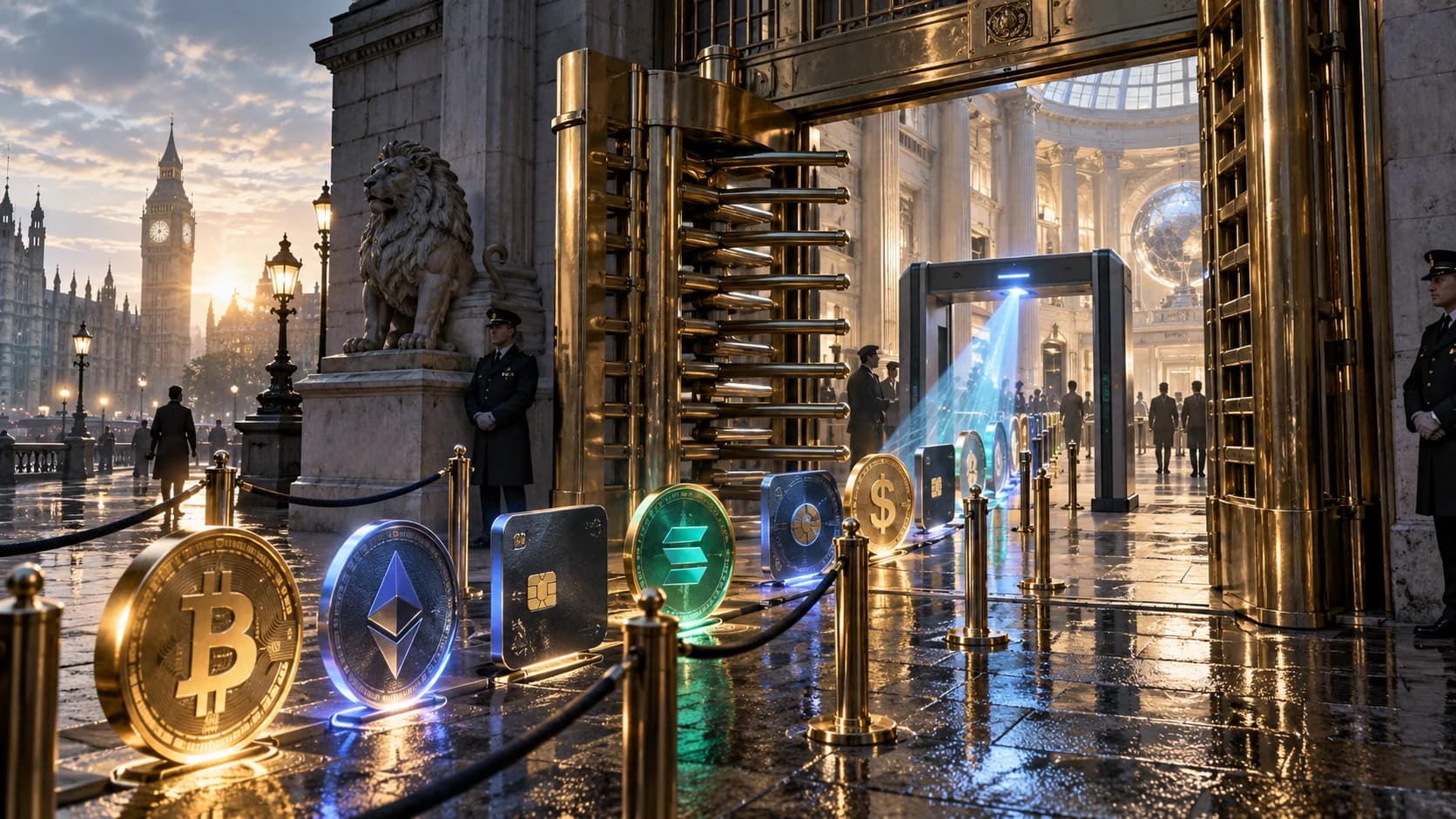
Reuters spent Saturday morning promoting a debate that sits under every stablecoin, tokenized deposit, and crypto payment rail in operation today. Its post on X pointed to the latest episode of The Big View, the Reuters Breakingviews podcast, in which Gaston Gelos of the Bank for International Settlements tells global editor Peter Thal Larsen that stablecoins and other digital tokens still need central banks to work smoothly. The episode, titled "Why central banks are key to electronic money," went out on June 30, 2026.
The framing Reuters chose is the interesting part. "Tech believers argue digital cash needs no institutional backstop," the post reads. That is the purist position in one sentence, and the episode exists to argue against it.
The BIS Case for Keeping the Anchor
The BIS has spent years making a consistent argument: money works because someone stands behind it. Bank deposits trade at par with cash because central banks provide settlement, liquidity in a crunch, and a lender of last resort. Strip that layer away, the argument goes, and a digital dollar token is only as good as its reserves on its worst day, when everyone asks for redemption at once.
Gelos brings that institutional view to the episode. The core claim is not that stablecoins fail, it is that they lean on the existing system more than their marketing admits. Reserves sit in T-bills and bank deposits. Redemptions clear through banks. Par convertibility holds because the traditional system underwrites it. In the BIS reading, "no institutional backstop" is a description of the branding, not the plumbing.
The Purist Counter-Argument
The other side of the debate holds that the backstop is precisely the problem. Central banks debase currencies, banks freeze accounts, and institutional money requires permission to use. Code, transparent reserves, and open networks are supposed to replace trust in institutions with trust in verification. Bitcoin was designed on that premise, and self-custodied stablecoin balances extend it to dollar-denominated money.
There is a practical version of this argument too. Billions of people hold weak currencies with strong institutions nowhere in sight. For a saver in Argentina or Lebanon, a dollar stablecoin in a wallet they control is not a theoretical experiment, it is the best available bank account. Whether that arrangement survives a true redemption crisis without official support is exactly the question the podcast is circling.
Regulators Are Not Waiting for the Debate to Finish
The argument is playing out in an environment where policymakers have already picked a side. MiCA enforcement began across Europe this month, pulling stablecoin issuers into a licensing and reserve regime. The Bank of England and FCA are splitting oversight of systemic stablecoins in the UK, with an issuance cap attached. Brazil's central bank wants a 24-hour hold on large stablecoin transfers. Each of those moves embeds tokenized money deeper into the institutional framework the purists wanted to escape.
For users, the practical result is a split market. Regulated, custodial stablecoin balances increasingly behave like bank money, with the protections and the controls that come with it. Self-custody options preserve the original permissionless design, but the fiat exits, the cards, and the merchant rails still run through licensed institutions.
Fear in the Market, Stability in the Tokens
The debate lands during a nervous stretch for crypto prices. Bitcoin trades at $62,697, up 0.3% over 24 hours, and Ethereum at $1,764, up 0.5%, as of July 5, 2026. The Fear & Greed index sits at 26, in Fear territory. Through the drawdown, major dollar stablecoins have held their pegs, which both camps will claim as evidence: purists point to the tokens working under stress, institutionalists point to the T-bill reserves and regulated issuers doing the quiet work.
Anyone spending stablecoins through a card already lives on both sides of this argument. The token may be an open-network instrument, but the moment it touches a Visa or Mastercard terminal, an issuer, a BIN sponsor, and a settlement bank are all standing in the flow. The backstop question is not abstract there. If a custodial provider fails, balances can freeze, which is why the custody model behind a crypto card matters as much as its rewards rate.
Overview
Reuters' Big View podcast has put the oldest argument in crypto back on the front page: the BIS's Gaston Gelos says stablecoins and digital tokens still need central banks, while tech purists insist digital cash can stand on code and reserves alone. Regulators in Europe, the UK, and Brazil are already legislating as if the BIS is right. With Bitcoin at $62,697 and the market in Fear at 26 as of July 5, 2026, the tokens are holding their pegs, and both sides are claiming the credit.