Tria Foundation Reveals 10B Fixed Supply with 41% Community Allocation
The Tria Foundation announced on February 2, 2026 that TRIA tokenomics are officially live. The ticker is TRIA, and the token coordinates settlement, routing, incentives, and governance across Tria's consumer products and BestPath, the infrastructure layer that powers cross-chain execution.
Tria published a full tokenomics breakdown detailing a 10 billion fixed supply with zero inflation, five active utility functions, and a vesting schedule designed to prioritize community participants over insiders.
This is the culmination of months of building. Tria's Season 1 points program concluded with a snapshot on January 30, the protocol crossed $20M in transaction volume within its first three months, and the team recently closed a strategic funding round. The token announcement connects the economic layer to everything already running.
Five Active Utility Functions and the Largest Community Share in Recent Launches
TRIA is not a speculative governance token stapled onto a product that doesn't need one. It serves as the coordination mechanism for a system that already processes real transaction volume across spending, trading, and earning.
Here's what makes the structure notable:
41% community allocation is the single largest bucket. In an industry where 15-20% community allocations are common, Tria's 41.04% signals a deliberate bet on user-driven growth over VC-driven extraction.
Zero inflation, fixed supply. All 10 billion tokens are pre-minted at TGE. There are no inflationary emissions, no surprise mint functions, no governance proposals that can dilute supply later. Every token enters circulation through predetermined vesting schedules.
Genesis circulating supply of 21.89%. At launch, roughly 2.19 billion TRIA will be circulating, primarily allocated to community participants and ecosystem liquidity rather than insiders.
How TRIA Coordinates Settlement Across BestPath Infrastructure
Nothing broke in the traditional sense, but the announcement resolves a key uncertainty: how Tria planned to align economic incentives across its two-layer architecture.
Tria operates both a consumer-facing neobank (spend, trade, earn) and BestPath, a permissionless infrastructure layer used by applications, institutions, and AI agents. Coordinating value movement across multiple chains, execution environments, and participant types is a non-trivial problem.
Before the token, Tria relied on points and platform incentives. Now TRIA provides five concrete utility functions:
- BestPath settlement: TRIA is used in all settlements. As transaction volume grows, settlement demand increases accordingly.
- Staking and routing access: PathFinders stake TRIA to participate in the execution marketplace.
- Gas and fee subsidies: TRIA covers gas, trading, FX, and subscription fees for users.
- Governance: Token-weighted voting on protocol parameters and ecosystem decisions.
- Membership benefits: Tiered access and reduced fees based on holdings.
Vesting Schedule Protects Early Circulating Supply from Insider Dumps
The allocation structure directly impacts how value flows to different participants:
| Allocation | Share | What It Funds |
|---|---|---|
| Community | 41.04% | User rewards, ambassadors, ecosystem incentives |
| Foundation | 18.00% | Protocol development, audits, legal, operations |
| Ecosystem & Liquidity | 15.00% | Exchange liquidity, integrations, partnerships |
| Investors | 13.96% | Early backers (fully locked at TGE, multi-year vesting) |
| Core Contributors | 12.00% | Team (delayed, multi-year vesting) |
The vesting structure is designed to front-load circulating supply toward users and community. Team and investor tokens unlock on delayed, multi-year schedules, meaning early price action will be primarily driven by organic demand rather than insider selling pressure.
For existing Tria users who participated in Season 1 and accumulated points, the token launch creates the mechanism through which those points may translate into real economic value. The 41% community allocation provides the pool from which user rewards, incentive programs, and airdrop distributions can be funded.
What This Means for Crypto Users
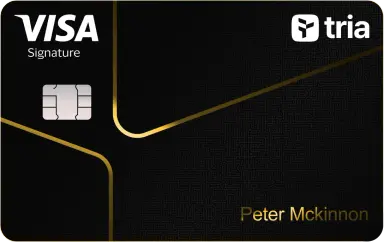
Tria's self-custodial neobank model is one of the most ambitious in the crypto card space. Unlike custodial card providers that hold your funds and issue cards against them, Tria lets users spend, trade, and earn while maintaining full control of their keys.
The TRIA token adds an economic layer to this model. Users who actively transact through the platform contribute to BestPath settlement volume, which drives demand for the token. In return, token holders get reduced fees, governance rights, and tiered benefits.
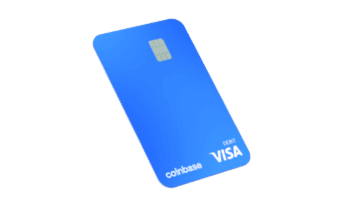
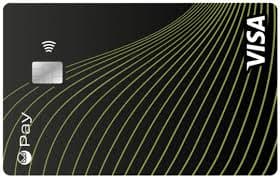
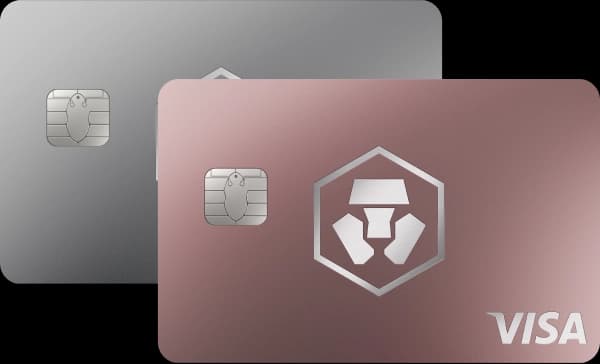
For the broader crypto card market, this sets a precedent. Most crypto cards are either pure custodial products (Coinbase, Crypto.com) or DeFi-native experiments (Gnosis Pay). Tria is attempting a middle path: full self-custody with the convenience of a traditional neobank, now backed by a token that scales with usage.
The planned roadmap extensions into lending, borrowing, and global payment rails suggest TRIA utility will expand well beyond current functions. If Tria executes on remittance integration, the token becomes relevant to cross-border payments, not just card spending.
Overview
Tria's TRIA token launch marks the transition from a points-based incentive system to a fully tokenized coordination layer. With 10 billion fixed supply, 41% allocated to community, and five active utility functions already live, the token is designed to scale with real usage rather than speculation. The vesting schedule protects early circulating supply from insider dumps, and the roadmap points toward expanded utility in lending, remittance, and global payments. For users who have been building activity on the platform since Season 1, the economic layer is now in place. Season 2 is officially live, and you can still join here.