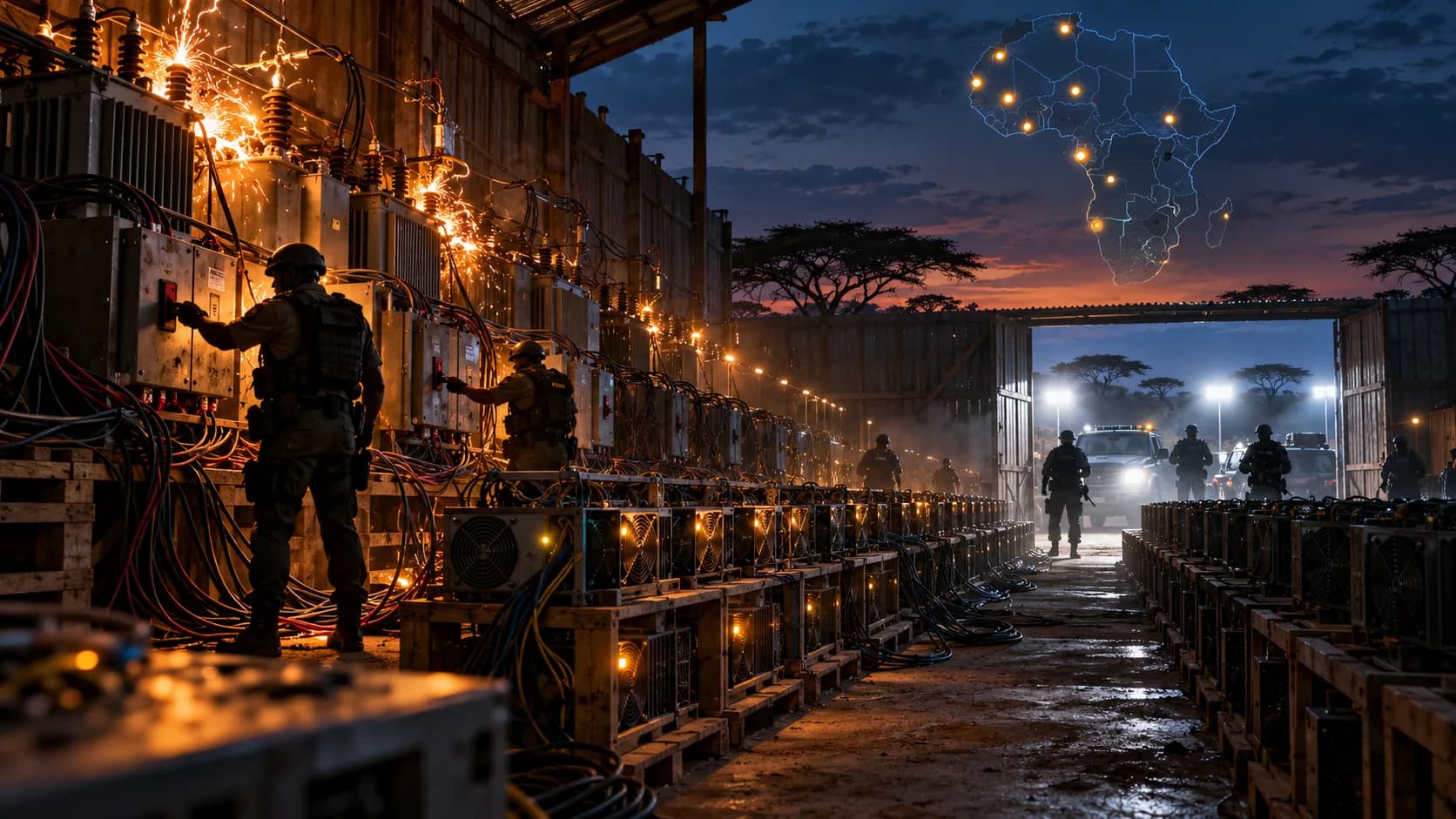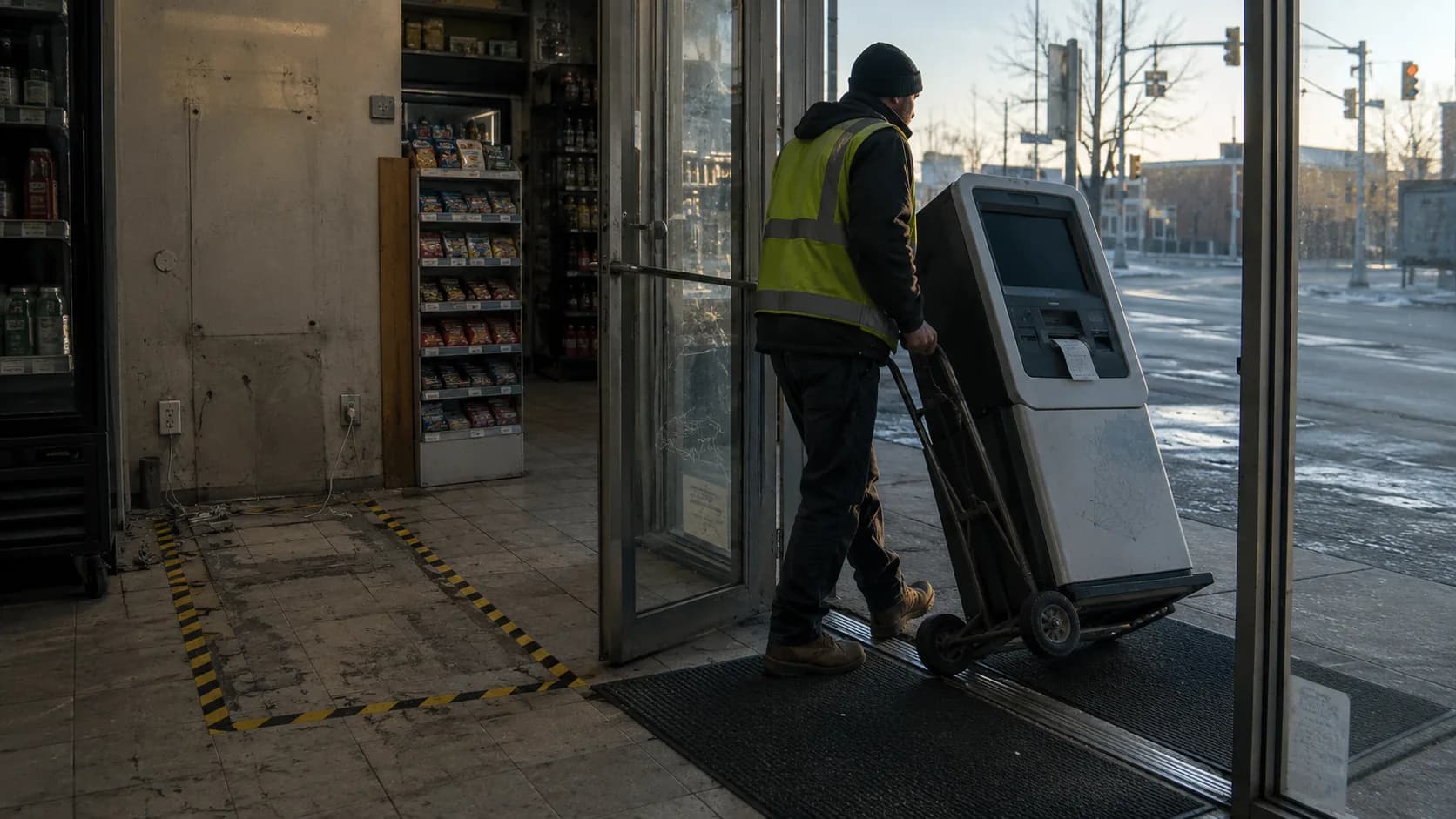
Delaware took a step toward removing crypto ATMs from the state entirely. House Bill 441 cleared the House Technology and Telecommunications Committee on June 10, 2026, and now heads to the state Senate, according to reporting from Decrypt. The bill would shut off every cryptocurrency kiosk in Delaware the moment it becomes law and require operators to physically remove the machines within 90 days.
This is one of the harder lines a US state has drawn on crypto kiosks. Most state measures passed so far cap transaction sizes, add disclosure screens, or require operators to register and refund verified scam victims. A full ban with a removal deadline goes further.
The case the sponsors are making
The bill is sponsored by Representative Cyndie Romer, who chairs the committee that advanced it, and Senator Spiros Mantzavinos. Romer described the machines as turning digital currency into "a predatory cash" pipeline, and Mantzavinos framed the ban as a "responsible" response to the fraud the kiosks enable.
Delaware Attorney General Kathy Jennings backed the measure with the sharpest line of the day, saying the kiosks "may seem like mundane novelties" to ordinary people but are tailor-made for scammers. That framing matters, because the political argument here is not about crypto as an asset. It is about the specific machine sitting in a gas station or corner store and the people most likely to be standing in front of it.
Numbers behind the push
The fraud data is the engine of the bill. The FBI logged more than 13,400 complaints involving crypto kiosks in 2025. Complaints rose 23% year over year, and reported losses jumped 58% over the same period. Kiosks show up repeatedly in elder-fraud and impersonation scams, where a victim is talked into feeding cash into a machine that converts it to crypto and sends it to an address the scammer controls. Once the transaction confirms, the money is gone.
Cost is the second pressure point. Kiosk fees run as high as 20% per transaction. Buying the same crypto through an online exchange typically costs 0.4% to 1%. A retiree who walks $5,000 through a kiosk can hand over close to $1,000 in fees before any scam even enters the picture. The price gap is steep enough that the machines are hard to defend purely as a convenience.
A widening state pattern
Delaware would not be acting alone. Indiana, Tennessee, and Minnesota have already enacted statewide crypto kiosk bans, and roughly 30 states have passed some form of kiosk legislation since 2023. The direction has been one-way: from light-touch disclosure rules toward caps, and now toward outright removal in a handful of states.
For anyone who actually uses crypto, the kiosk has always been the most expensive on-ramp on the menu. It exists because it is fast, anonymous-feeling, and physical, not because it is cheap. The cheapest and most regulated ways to move between cash, crypto, and everyday spending are apps and cards, where fees are disclosed, conversion happens at competitive rates, and the rails are bank-grade. The broader shift toward crypto cards and app-based spending has quietly removed most of the reasons a regular user would touch a kiosk at all. That backdrop is part of why a ban draws limited pushback outside of operators: in the United States, the people defending kiosks are rarely the people relying on them to spend.
That said, a card or exchange is not a like-for-like replacement for everyone. Kiosks serve unbanked and cash-heavy users who cannot easily pass app-based identity checks, and a ban does not solve that access problem. It removes a fraud vector and an expensive product, but the underlying demand for a simple cash-to-crypto path does not disappear with the machine.
Overview
House Bill 441 cleared a Delaware House committee on June 10, 2026, and proposes a total statewide ban on crypto kiosks, with existing machines shutting off immediately and coming out within 90 days. The bill is built on FBI data showing more than 13,400 kiosk fraud complaints in 2025 and losses up 58% year over year, plus a fee gap of up to 20% per transaction versus 0.4% to 1% online. It still has to pass the state Senate. If it does, Delaware joins Indiana, Tennessee, and Minnesota in banning the machines outright, extending a state-level pattern that has produced kiosk rules in about 30 states since 2023.